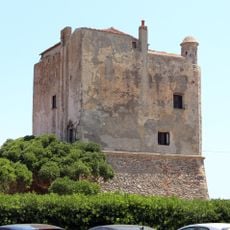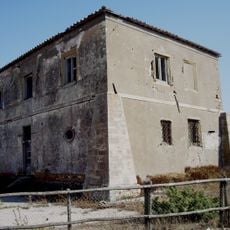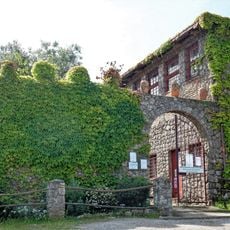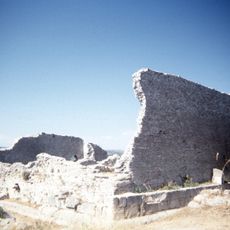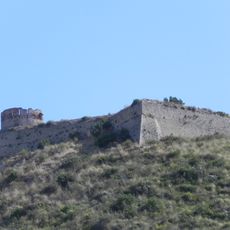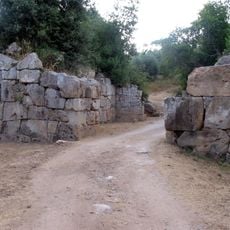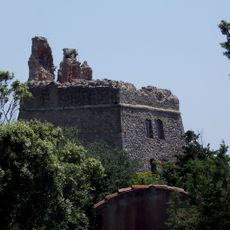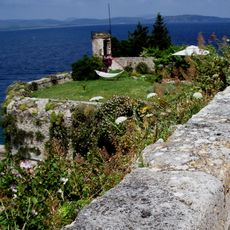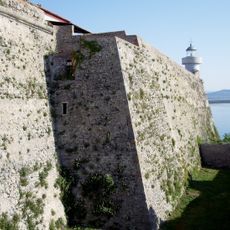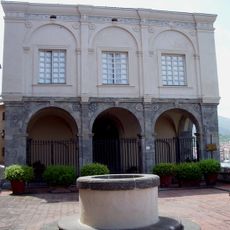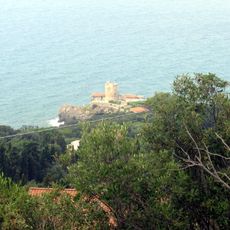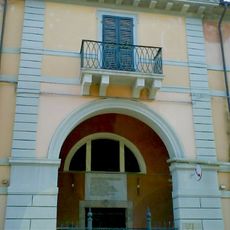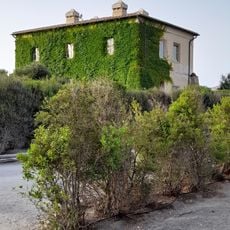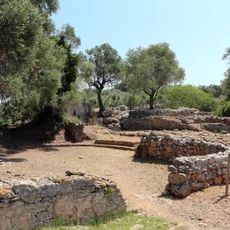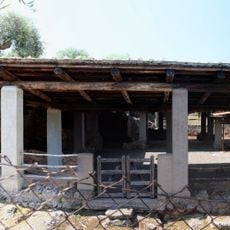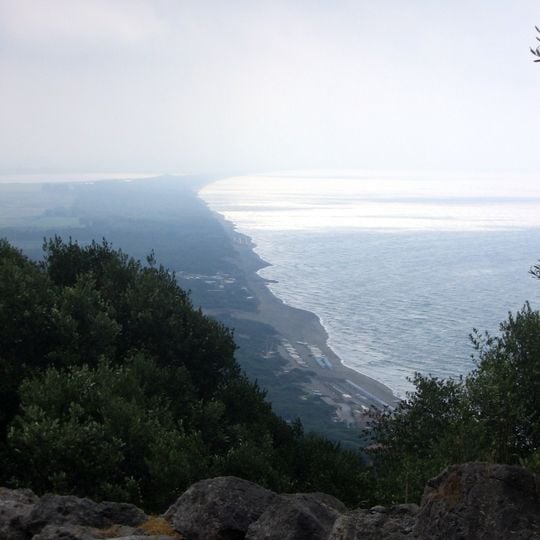
Cosa, Roman colony ruins in Ansedonia, Tuscany, Italy
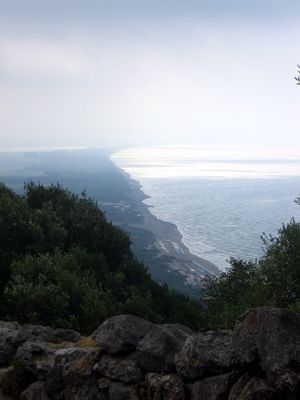
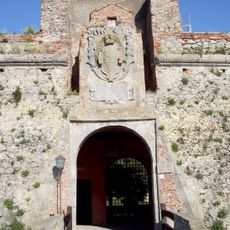
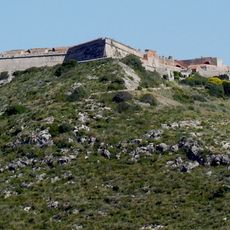
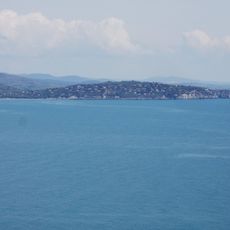
The archaeological site sits on a rocky hilltop 371 feet (113 meters) above the Tyrrhenian Sea, featuring remains of fortified walls, temples, a forum, public baths, residential quarters, and ancient port facilities along the coast below.
Founded in 273 BC as the first Roman colony in the Maremma region on land confiscated from the Etruscans of Vulci, Cosa served as a strategic outpost until pirates destroyed it in 70 BC, after which it never fully recovered its former importance.
The urban layout was divided between two hills, with the Forum serving as the civic center for political gatherings and commerce, while the Acropolis housed temples including a grand Capitolium dedicated to Roman gods, asserting Roman religious identity in conquered territory.
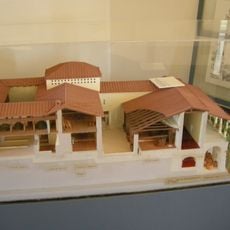
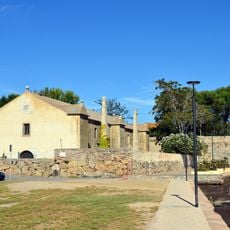
Visitors can explore the ruins freely without charge, walking among remains of an ancient villa, public baths, and city walls, while a small museum near the site displays artifacts for a modest entrance fee with further information available at the Orbetello tourist center.
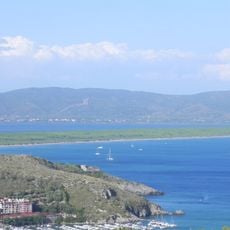
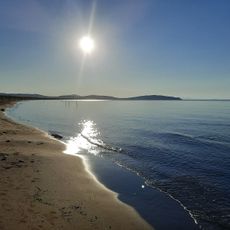
The port below the city showcases some of the earliest known Roman harbor engineering, including breakwaters made with saltwater-resistant pozzolana concrete, extensive fish tanks for ancient aquaculture operations, and channels designed for water circulation and flood control management systems.
The community of curious travelers
AroundUs brings together thousands of curated places, local tips, and hidden gems, enriched daily by 91,809 contributors worldwide.