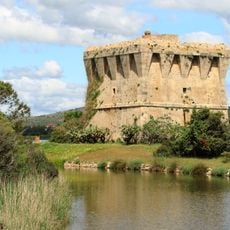
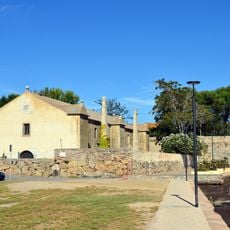
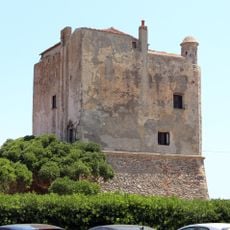
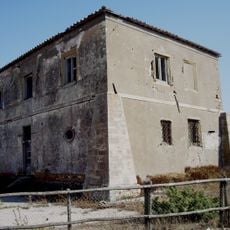
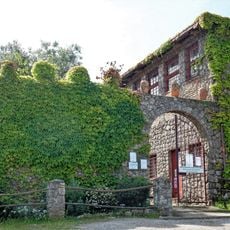
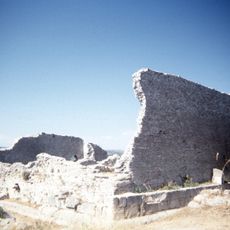
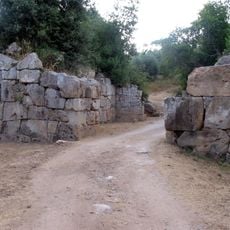
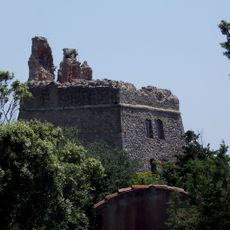
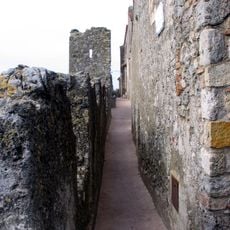
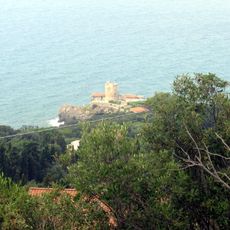
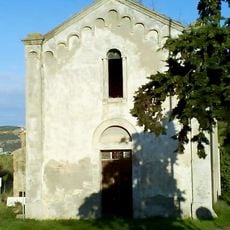
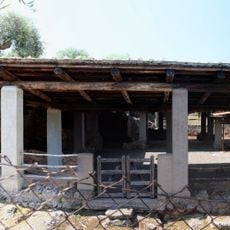
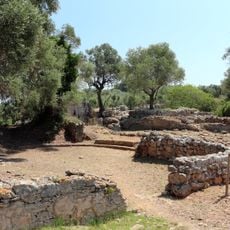
Settefinestre, Roman villa archaeological site in Capalbio, Italy.
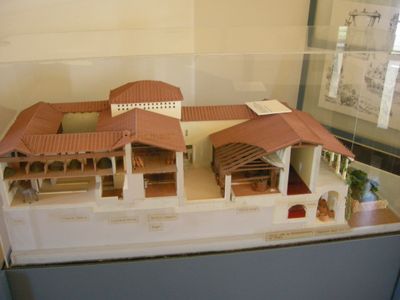
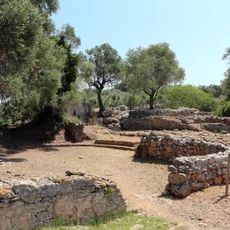
Settefinestre is an ancient Roman villa near Capalbio in Tuscany, built on a terraced platform supported by a network of underground passages and chambers. The complex includes residential areas with mosaic floors, storage rooms, and workshops used for wine production.
The villa was built in the middle of the 1st century BC by the Sestii family, who were among the largest landowners of the late Roman Republic. The property changed hands several times during the imperial period and was eventually abandoned in the 3rd century AD.
The estate relied on slave labor to run its wine production, and the layout of the buildings still shows a clear separation between the owners' quarters and the working areas. Visitors can walk through both sections and get a sense of how daily life was organized on a Roman agricultural property.
The site is on a hillside, so some walking on uneven ground is needed to see all parts of it. Sturdy footwear is a good idea, and it is worth bringing water if you plan to spend time exploring the full area.
The excavations carried out here in the 1970s were among the first in Italy to apply a fully systematic approach to recording and analyzing layers of soil and objects. The methods developed at this site went on to influence how archaeologists work across much of Europe.
The community of curious travelers
AroundUs brings together thousands of curated places, local tips, and hidden gems, enriched daily by 91,248 contributors worldwide.