Lateran Obelisk, Ancient Egyptian obelisk in San Giovanni, Rome, Italy
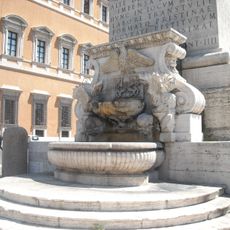
The Lateran Obelisk is a 32-meter monolith of rose granite standing at the center of Piazza San Giovanni in Laterano. All four sides of the monument are covered with Egyptian hieroglyphs from base to tip, running continuously along each face.
Thutmose III began the obelisk for the Temple of Amun at Karnak, and his grandson Thutmose IV finished and erected it around 1400 BC. Constantius II had it shipped from Alexandria to Rome in 357 and set it on the spina of the Circus Maximus. After the circus was abandoned it fell and broke; Domenico Fontana excavated the three pieces in 1587 and re-erected it for Pope Sixtus V in 1588, about 4 m shorter.
The hieroglyphic texts running along all four sides record ceremonies and divine honors from the age of the pharaohs. Visitors today can study these well-preserved symbols up close, reading about the religious world of ancient Egypt.
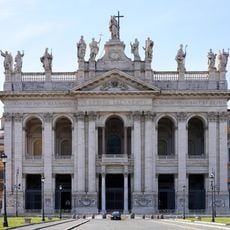
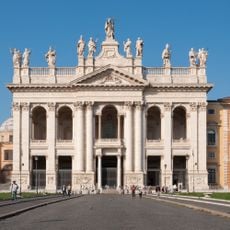
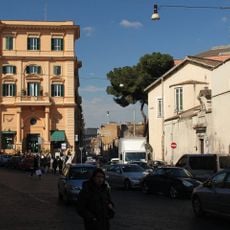
The obelisk stands freely on an open square beside the Lateran Basilica and can be viewed from all sides. Early morning or late afternoon provides the best light for photographs and for examining the hieroglyphs.
The obelisk's original Roman base stayed in the Circus Maximus until at least 1589, inscribed with a 24-hexameter poem on all four sides recording Constantius II's transport and dedication of the monument. The ancient epigraph is now lost, but its text survives because it was found and transcribed in 1587.
The community of curious travelers
AroundUs brings together thousands of curated places, local tips, and hidden gems, enriched daily by 94,663 contributors worldwide.