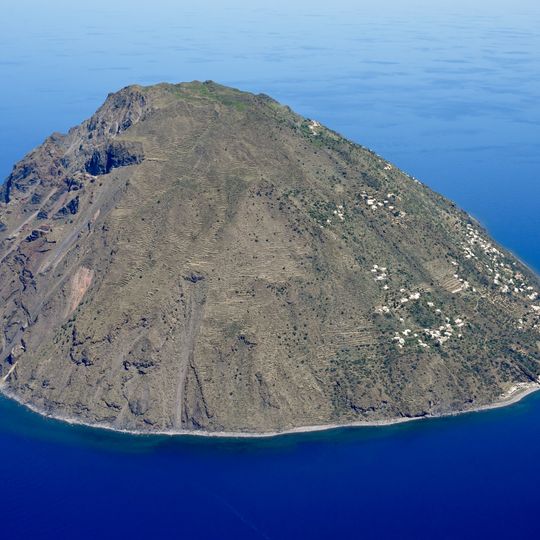
Alicudi, Volcanic island in Aeolian archipelago, Italy
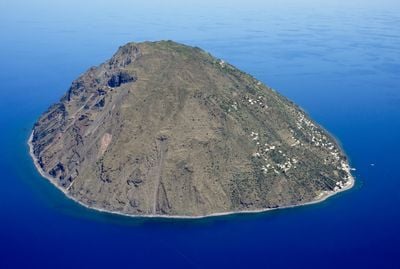
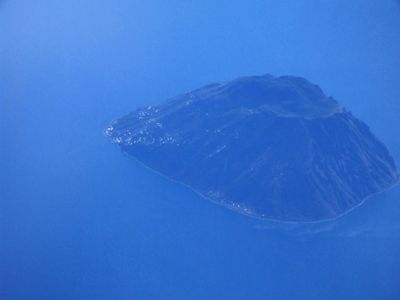
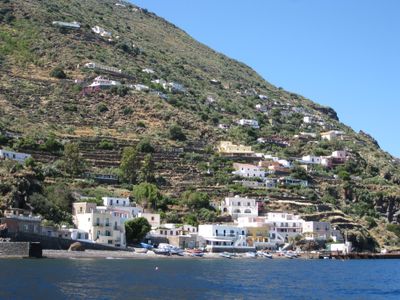
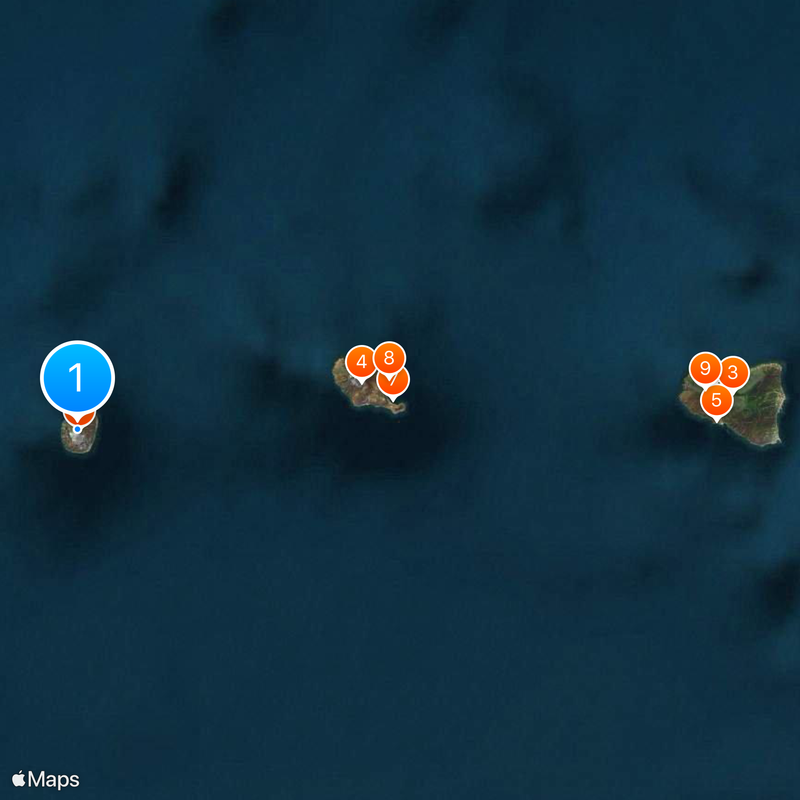
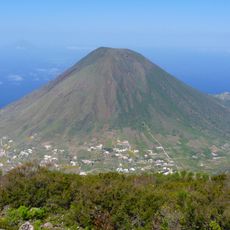
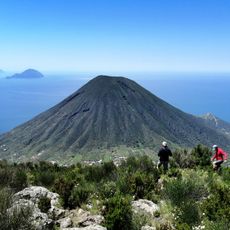
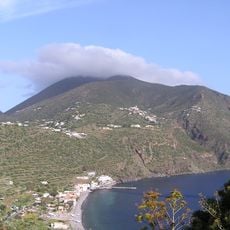
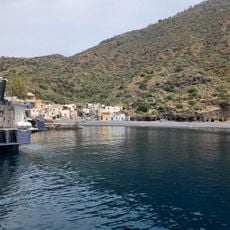
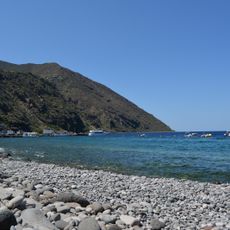
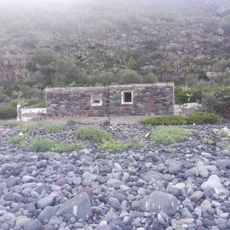
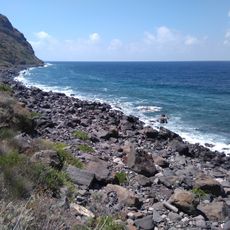
Alicudi is the westernmost island of the Aeolian archipelago, covering about 5 square kilometers with steep paths and terraced slopes rising from the Mediterranean. The landscape is volcanic and dotted with houses clinging to the hillsides.
Early settlement traces date to the 17th century BC, with later Roman presence confirmed by ceramic fragments found on the eastern coast. The island served as a waypoint for seafarers and traders across the Mediterranean for centuries.
The small community here relies on fishing with methods passed down through generations, and visitors can watch fishermen at work or join informal dinners in local homes.
There are no cars on the island, so visitors get around on foot while donkeys carry goods. The steep paths require good footwear and decent fitness, especially in warm weather.
Past accounts of strange phenomena among residents were later explained by ergotism, a disease from contaminated grain. This rare historical example shows how an environmental cause led to unusual local events.
The community of curious travelers
AroundUs brings together thousands of curated places, local tips, and hidden gems, enriched daily by 90,801 contributors worldwide.