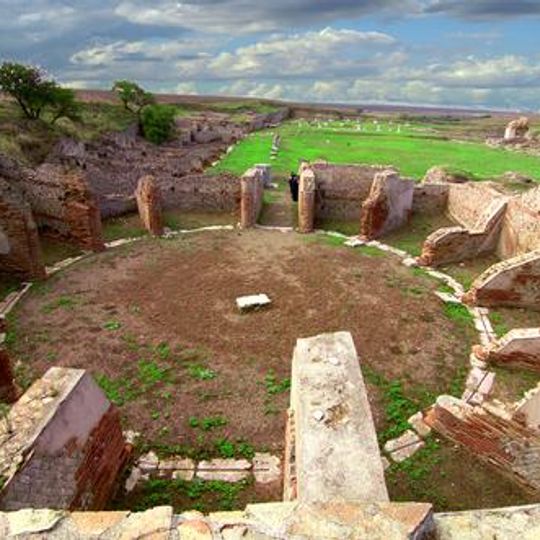
Herdonia, Archaeological site in Apulia, Italy.
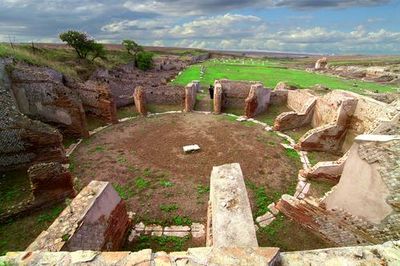
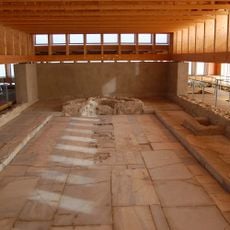
Herdonia is an ancient city with excavated remains from the Roman period, including a forum, basilica, amphitheater, and thermal baths. The mosaic floors and various architectural layers demonstrate how the settlement developed from the Iron Age through the classical era.
The city was captured and destroyed by Hannibal following the Battle of Cannae in 216 BC, and its population was relocated elsewhere. After this upheaval, the site gradually lost importance and was eventually abandoned until modern excavations uncovered its past.
The site reveals layers of different peoples who lived here, from the Daunians to the Romans who built the city we see today. Walking through the excavated houses and tombs shows how this place was home to many generations of inhabitants.
The site is organized in multiple layers that help visitors understand the different settlement phases across time. It helps to start with a site map and take time exploring each section to appreciate the architectural details and historical periods represented throughout the excavations.
A section of the ancient Via Traiana runs through the excavation area and still shows remains of Roman shops and a market square called the macellum. This route was a major trade road that reveals how commerce and movement through the city were organized in daily life.
The community of curious travelers
AroundUs brings together thousands of curated places, local tips, and hidden gems, enriched daily by 92,215 contributors worldwide.