Irpinia, Historical region in Campania, Italy
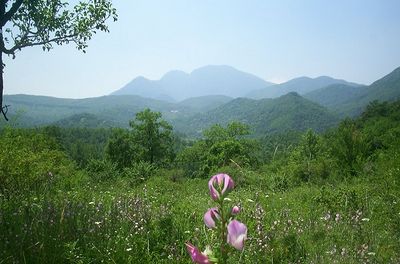
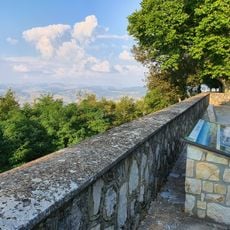
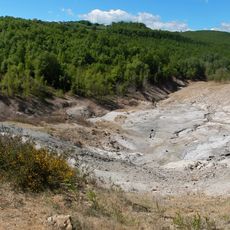
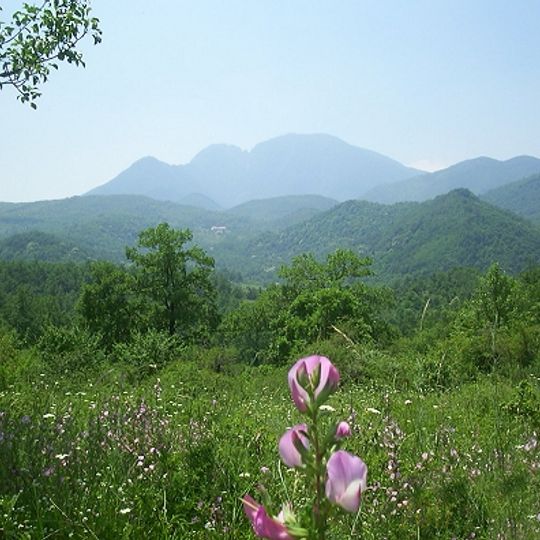
Irpinia is a historical region in Campania, southern Italy, spanning the province of Avellino with mountains reaching 1,809 meters (5,935 feet) and deep valleys carved through limestone formations. The landscape alternates between forested ridges, plateaus with grazing lands, and narrow valleys where vineyards grow on hillsides.
The name derives from the Oscan word for wolf, the tribal symbol of the Hirpini who settled in this territory during the 6th century BC. The area later experienced Roman rule, medieval feudal lordships, and eventually became part of the Kingdom of the Two Sicilies.
The cellars throughout the territory open their doors for tastings of red wines that age in old vaults and whose vines grow on steep hillsides. Visitors can speak with winemakers who pass down family traditions across generations and whose names often appear on bottle labels.
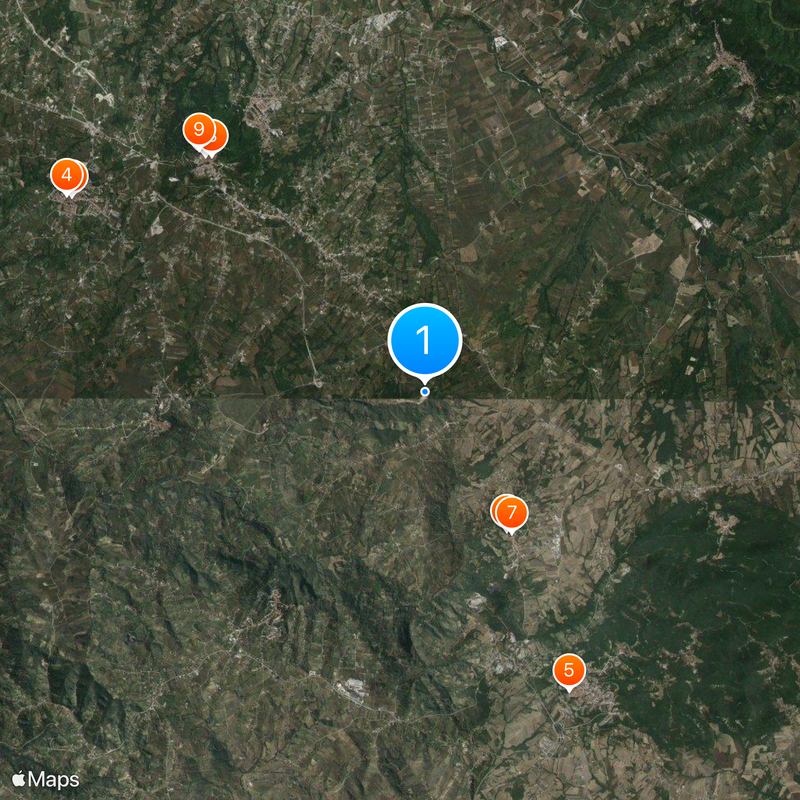
The winding roads through the mountains require careful driving, especially in winter when some passes may close. Most wineries and historical sites are located in small towns scattered across the territory, so a car helps.
The karst geology of the territory creates cool microclimates in the vineyards that allow late harvests and give the grapes an aromatic complexity reminiscent of French Alsace wines. The underground streams and caves formed by porous limestone also contribute to the minerality of the wines.
The community of curious travelers
AroundUs brings together thousands of curated places, local tips, and hidden gems, enriched daily by 92,220 contributors worldwide.