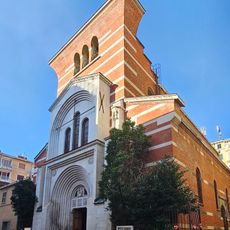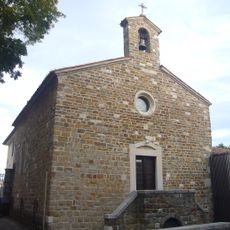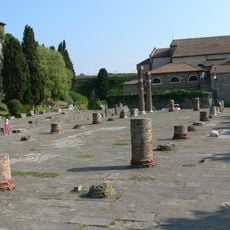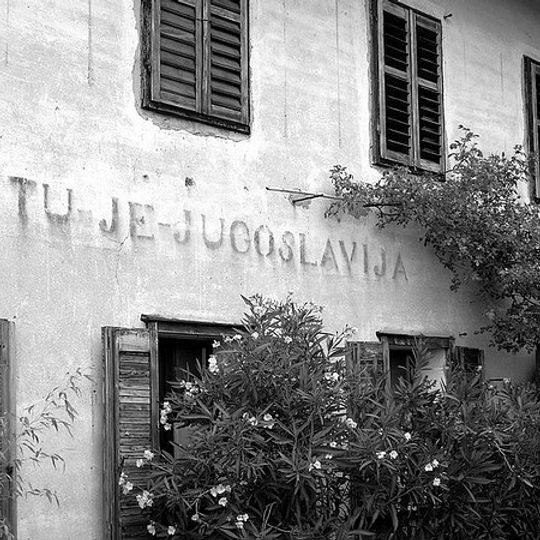
Julian March, Historical region in northeastern Italy.
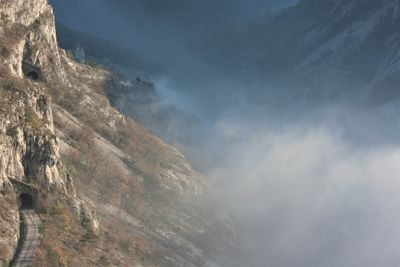
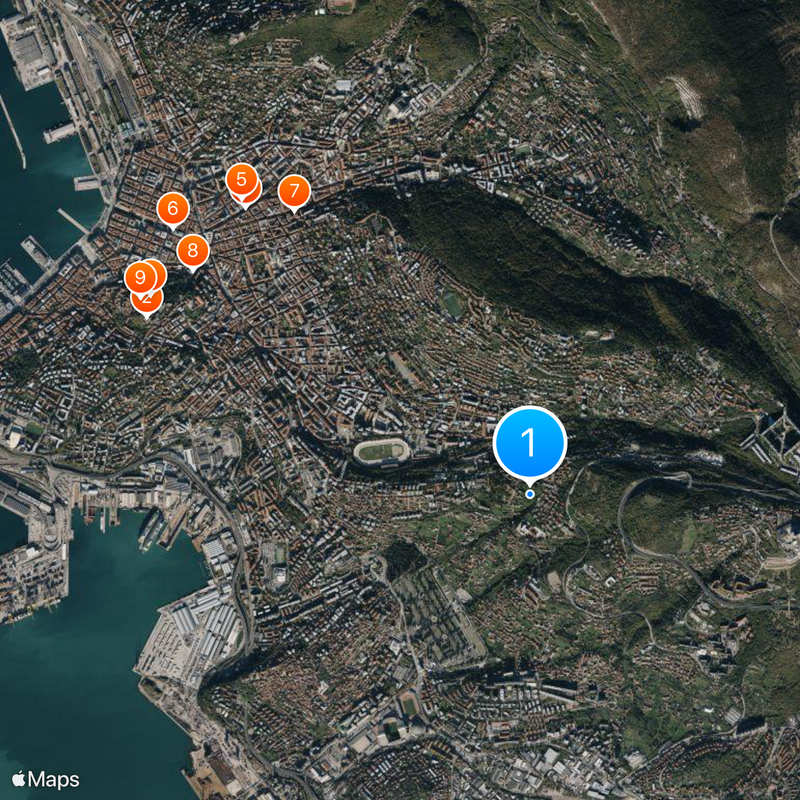
Julian March is a region in northeastern Italy stretching from the Adriatic coast to the Slovenian border hills. The area includes the port city of Trieste, the Karst plateau with its underground caves, and fertile valleys along the Isonzo and Timavo rivers.
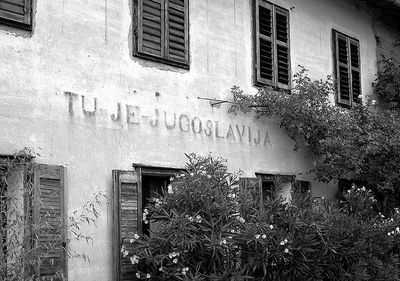
After World War I, the area was awarded to Italy in 1920 through the Treaty of Rapallo, leading to population shifts and political tensions. Following World War II, Italy lost the eastern portion to Yugoslavia, while Trieste only became definitively Italian in 1954.
Many place names appear in both Italian and Slovenian on street signs and public buildings, showing the bilingual tradition of this border region. Local markets sell Italian pasta, Slovenian jota soup, and Croatian pastries side by side, shaping daily life for residents.
Regional trains and buses connect the larger towns along the coast and inland, with Trieste serving as the main hub. The Karst area is best explored by car, as many caves and small villages lie off the main routes.
Gorizia shares its name and street plan with Nova Gorica on the Slovenian side, with an invisible border line running through former streets and squares. Visitors can walk back and forth between both countries without passing controls or barriers, as both towns lie within the Schengen area.
The community of curious travelers
AroundUs brings together thousands of curated places, local tips, and hidden gems, enriched daily by 92,524 contributors worldwide.