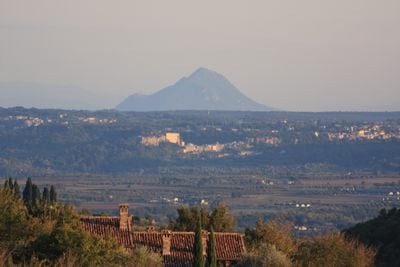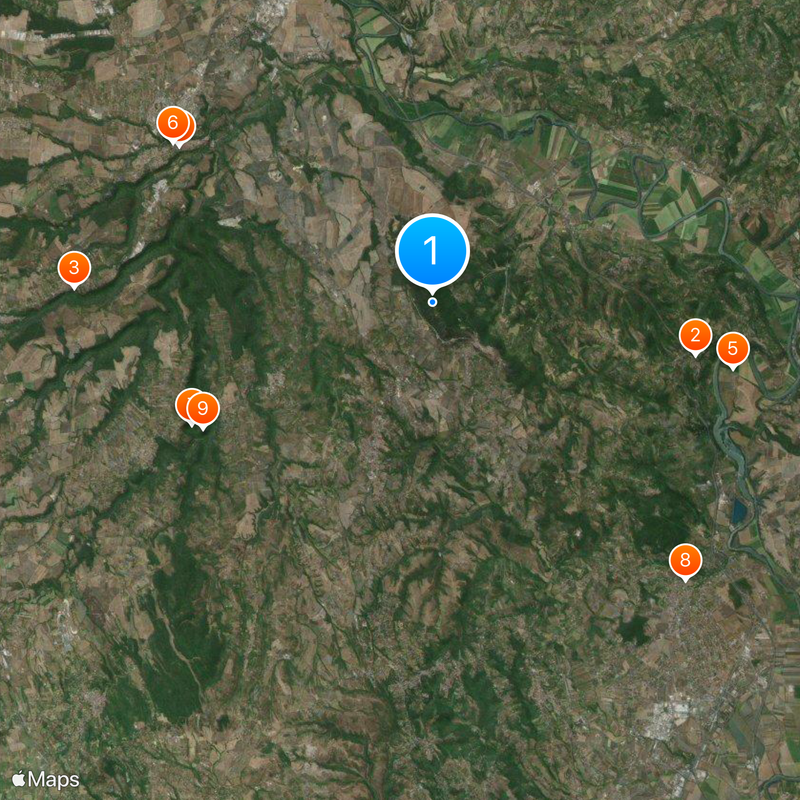
Monte Soratte, Mountain summit in Metropolitan City of Rome, Italy.
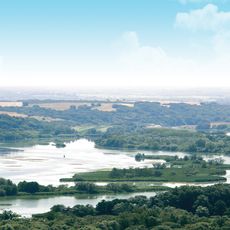
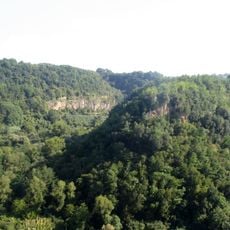
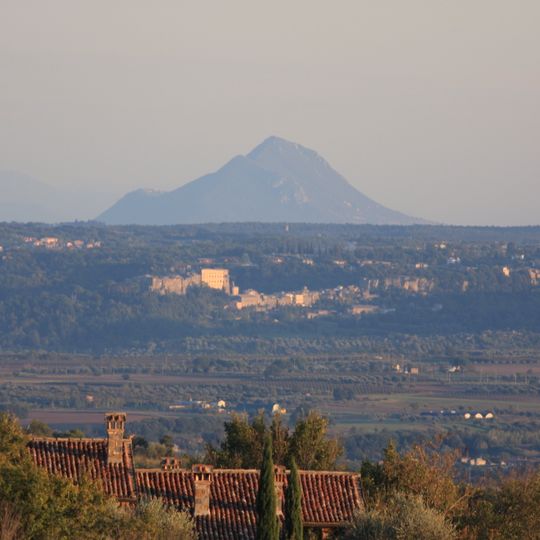
Monte Soratte is a narrow limestone ridge that stretches roughly 5 kilometers across the Tiber Valley north of Rome, with its summit near 700 meters in elevation. The slopes support Mediterranean plant life, and a protected reserve covers most of its surface.
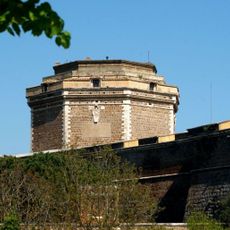
During World War II, the mountain housed military bunkers that served as a command center for German operations in the region. After the war ended, its fortifications were abandoned and the site eventually became a nature reserve.
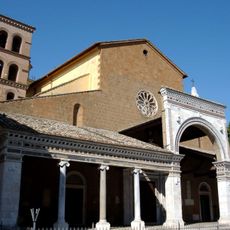
Local communities have long regarded this mountain as a landmark that shapes how people navigate and orient themselves in the Tiber Valley. Its isolated limestone form makes it stand out in the landscape, anchoring the identity of surrounding villages.
Hiking trails wind up to the summit and through the surrounding slopes, with open views across the valley floor. Spring and autumn offer the most comfortable conditions, as the exposed southern faces can become quite hot during summer months.
The interior contains deep natural sinkholes called Meri, some plunging more than 115 meters straight down into the limestone. These formations developed over millions of years through water dissolving the rock from within.
The community of curious travelers
AroundUs brings together thousands of curated places, local tips, and hidden gems, enriched daily by 92,622 contributors worldwide.