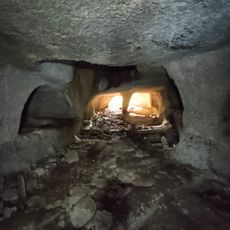
Megara Hyblaea, Ancient Greek archaeological site in Augusta, Italy
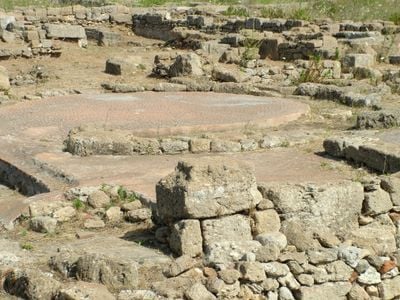
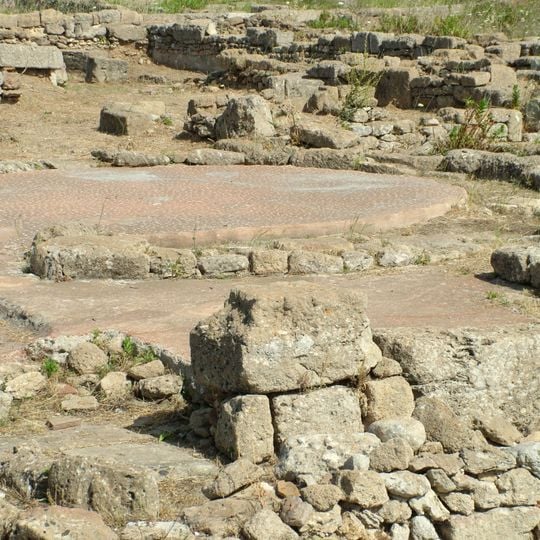
Megara Hyblaea is an ancient Greek colonial settlement whose remains show a clear street layout with residential houses, shops, wells, and bathing facilities. The city's structure follows a regular plan where two main streets running east to west intersect with smaller lanes running north to south.
Settlers from the Greek city of Megara founded this settlement around 728 BCE as their colony. About a century later, a Syracusan tyrant destroyed the site, leading to its abandonment.
The ruins show how people in this ancient Greek colonial settlement lived together and organized their homes and public spaces. You can still see how residents arranged rooms around courtyards and where they carried out their daily activities.
The archaeological park sits in a dry area, so bring water and sun protection while visiting early in the day. The area is relatively flat and easy to walk through, though there is little shade across the grounds.
Excavations have revealed that the houses were laid out in uniform plots, suggesting deliberate city planning by the founders. This standardized arrangement was uncommon for Greek settlements of that era and shows the intention to create a well-organized community.
The community of curious travelers
AroundUs brings together thousands of curated places, local tips, and hidden gems, enriched daily by 92,015 contributors worldwide.