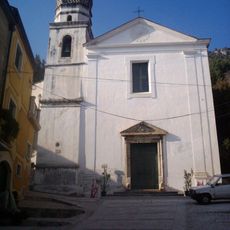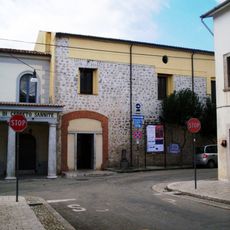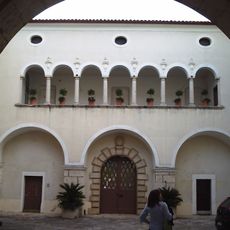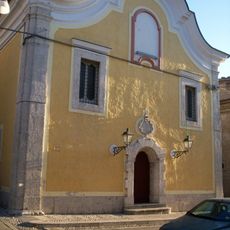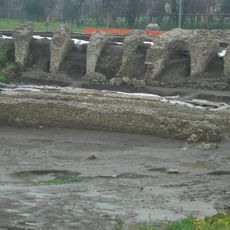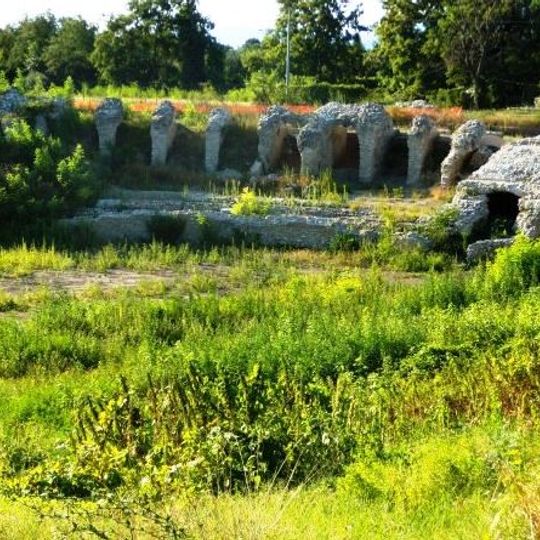
Telesia, a Roman city of Samnite origin in the Telesina Valley, in the municipal area of today's San Salvatore Telesino
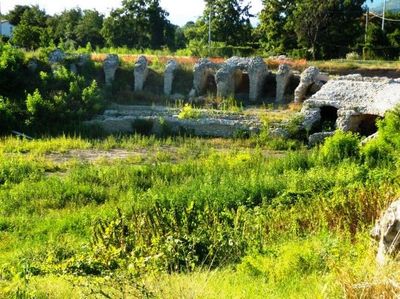
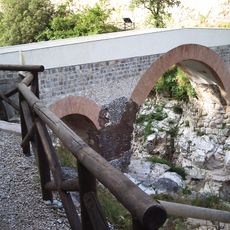
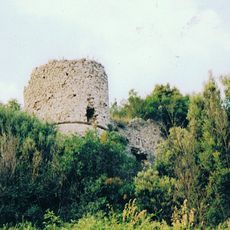
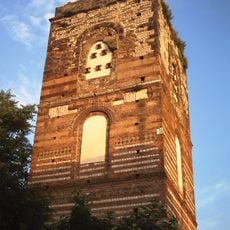
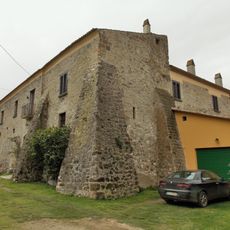
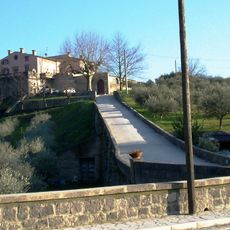
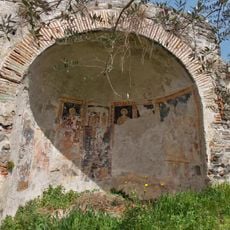
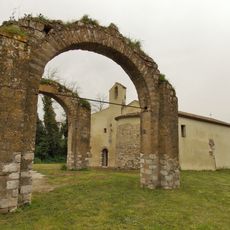
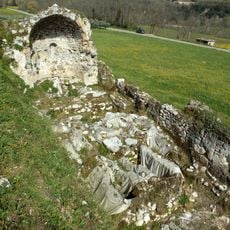
Telesia is a Roman city and archaeological site near San Salvatore Telesino whose remains lie in a fertile plain between the Calore and Volturno rivers. The city walls stretch about two kilometers, stand roughly seven meters high and two meters thick, and enclose remnants of paved streets, a theater, multiple bathing complexes, and an aqueduct system.
Telesia began as a Sannite settlement on Mount Acero and was later relocated by Romans to the plain, where it flourished as a prosperous trading center. The city endured multiple power shifts and damage until a major earthquake in 1349 prompted its permanent abandonment.
The name Telesia traces back to Sannite times and reveals the city's earliest roots. Visitors today can observe how Roman builders transformed the original hilltop settlement into a planned lowland city with their distinctive defensive architecture and organizational methods.
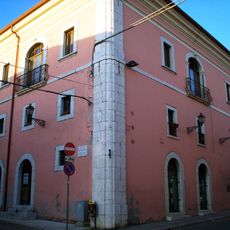
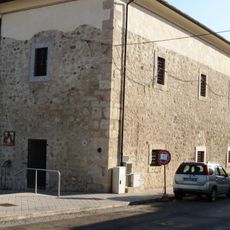
Access to the site is straightforward, with ruins open year-round and requiring no special gear to explore the remains. The city's museum is housed in the San Salvatore monastery and is typically open on weekends, offering many artifacts and insights into ancient daily life.
The city walls feature an unusual construction with curved segments bowed outward to strengthen defense. This design detail was rarely used in other Roman cities and reveals innovative engineering techniques of the period.
The community of curious travelers
AroundUs brings together thousands of curated places, local tips, and hidden gems, enriched daily by 92,041 contributors worldwide.