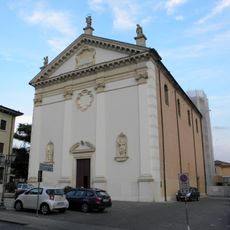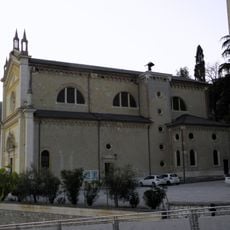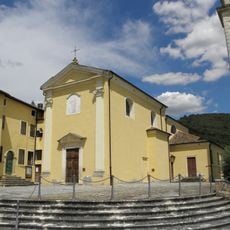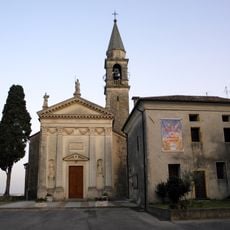
Venetian Plain, Fertile plain in Veneto and Friuli Venezia Giulia, Italy
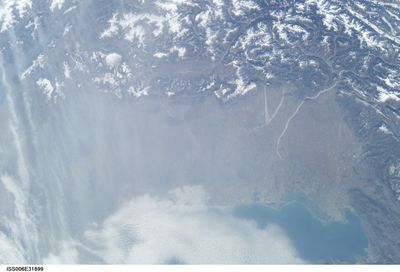
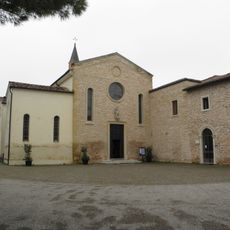
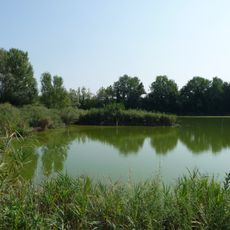
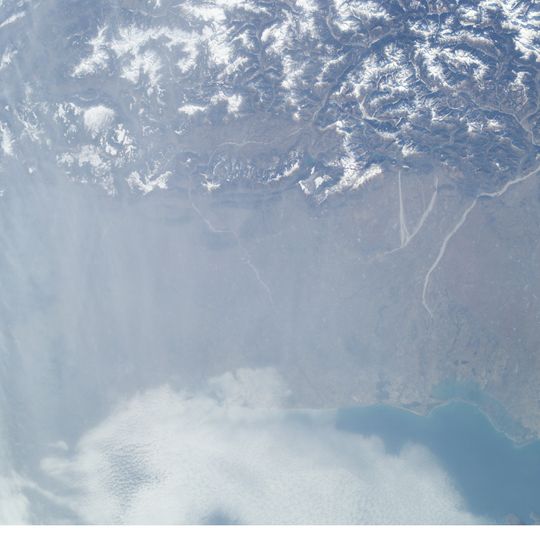
The Venetian Plain is an agricultural lowland region in northeastern Italy that stretches between the Adriatic Sea and the Carnic Alps. Wide grain fields, dairy farms, and fruit orchards define the landscape, supported by river irrigation that maintains the soil fertility.
The plain formed part of the Roman region Venetia et Histria, with Aquileia becoming an important regional center from the 2nd century BC onward. This early role as a trading hub and administrative seat shaped the region's development through the following centuries.
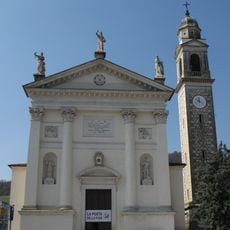
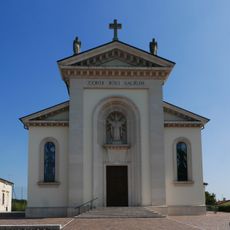
Italian, Friulian, and Slovene languages coexist in the settlements scattered across this region, creating a visible blend of traditions and identities. Local place names, food, and customs reflect this long history of shared influences between different peoples.
The plain is best explored by car since settlements are spread out and the agricultural areas cover large distances. Visiting during harvest season offers the best views of farm life and how crops and livestock operations shape daily rhythms in the region.
The plain sits in a geologically active zone that experiences regular earthquakes, making it one of Italy's most seismically dynamic territories. This underground activity has influenced local building practices, where earthquake-resistant construction methods have become a standard feature of how structures are designed.
The community of curious travelers
AroundUs brings together thousands of curated places, local tips, and hidden gems, enriched daily by 92,773 contributors worldwide.