Villa of Diomedes, Ancient Roman villa in Pompei, Italy
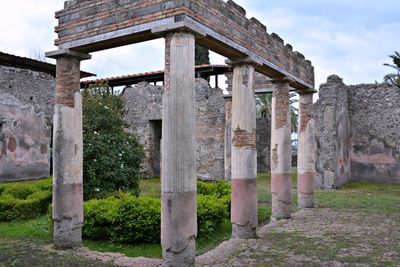
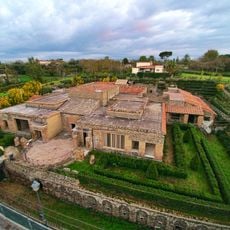
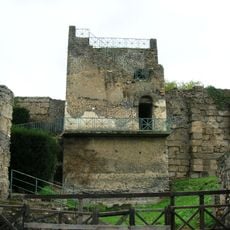
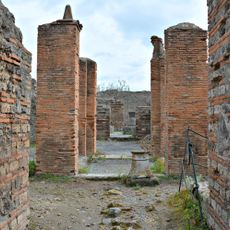
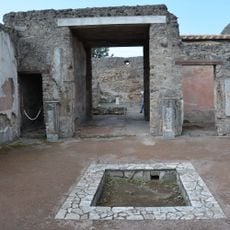
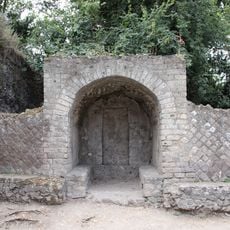
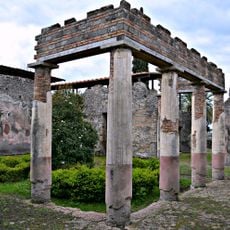
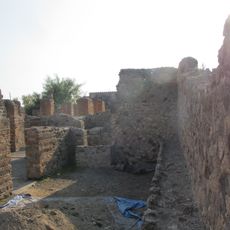
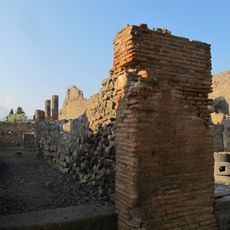
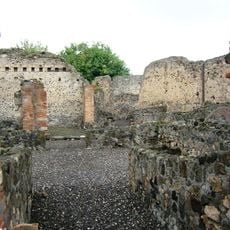
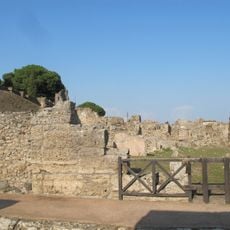
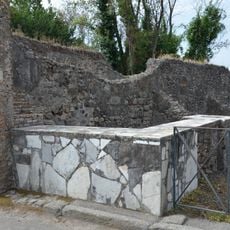
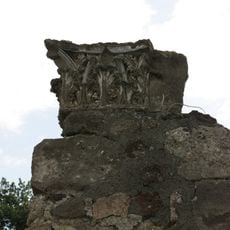
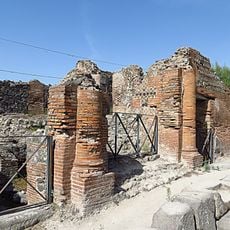
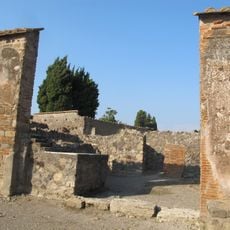
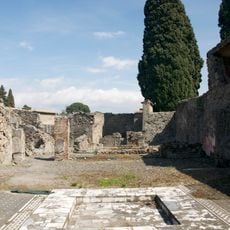
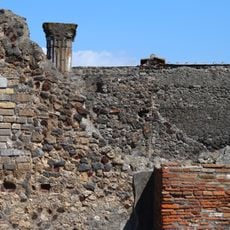
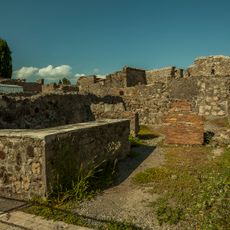
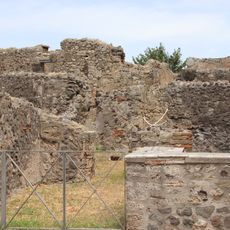
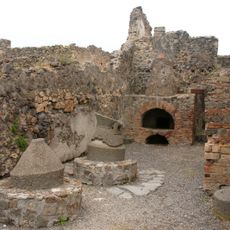
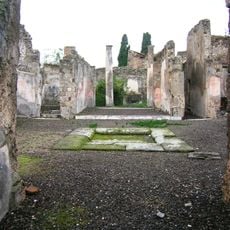
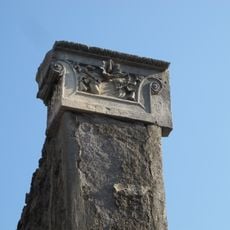
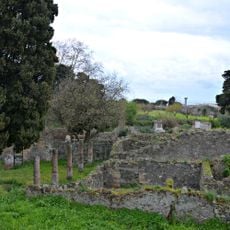
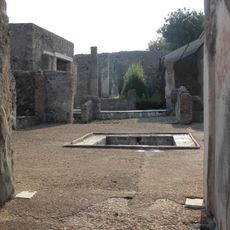
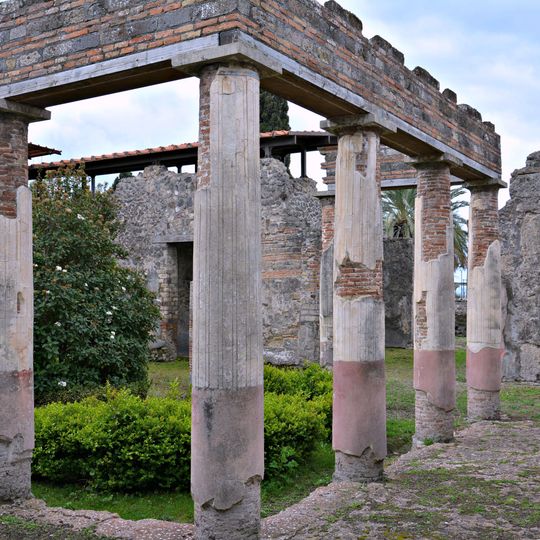
The Villa of Diomedes is a large Roman villa just outside the city walls of Pompeii, near the Herculaneum Gate, and is part of a UNESCO World Heritage Site. It spans several levels with living rooms, a bathing area, a peristyle, gardens, and a long underground corridor.
The villa was excavated between 1771 and 1774 by architect Francesco La Vega, making it one of the first large villas uncovered at Pompeii. Workers found the remains of several dozen people who died during the eruption of Vesuvius in 79 AD.
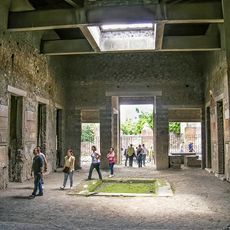
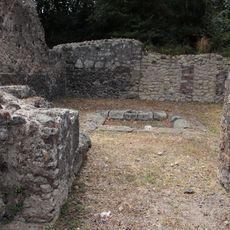
The villa shows typical rooms of Roman daily life, including the tablinum and a summer dining room used for meals and receiving guests. Some walls still carry traces of Fourth Style frescoes, giving a direct sense of how wealthy Romans decorated their homes.
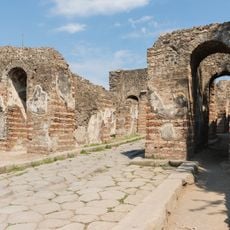
The entrance is near the Herculaneum Gate, at the edge of the ancient city, and is easy to reach on foot from the main Pompeii excavation areas. The underground corridor can become slippery in wet weather, so sturdy footwear and a dry day make the visit much easier.
A skeleton found near the entrance was wearing a gold ring and carrying over 1300 coins, suggesting someone tried to flee with valuables. Beside it lay a key, possibly still in the grip of a person trying to lock the door as the eruption began.
The community of curious travelers
AroundUs brings together thousands of curated places, local tips, and hidden gems, enriched daily by 92,023 contributors worldwide.