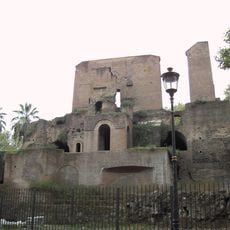
Temple of Minerva Medica, Roman temple ruins on Esquiline Hill, Italy.
The Temple of Minerva Medica is a ten-sided ruin with nine interior niches, rising to about 33 meters in height and roughly 24 meters across. The building originally functioned as a fountain house within a large villa complex, featuring an elaborate interior once decorated with mosaics and sculptures.
Built in the 4th century as part of the Horti Liciniani, a large estate on the Esquiline hill, this structure served as a nymphaeum with fountains and water displays. In the 17th century, discovery of a statue led to confusion about its true purpose, and the building suffered severe damage when its dome collapsed in 1828.
The structure received its name from a statue of Athena found nearby, leading people to associate it with the goddess of healing, though it actually served as a fountain house for an estate. The site shows how Romans integrated water features and art into their garden complexes.
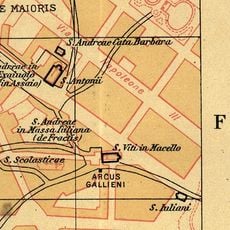
The site sits between Via Labicana and the Aurelian Walls, easily reached near modern Via Giolitti in the Esquiline district. Visitors should know the ruin is open but offers minimal safety features, so care is needed when exploring the structure.
The dome was built using opus latericium, a distinctive Roman construction method combining bricks and mortar, and remained standing for centuries before collapsing suddenly. This collapse in the 19th century permanently altered the monument's appearance and demonstrates how even massive Roman structures can be vulnerable to time and damage.
The community of curious travelers
AroundUs brings together thousands of curated places, local tips, and hidden gems, enriched daily by 60,000 contributors worldwide.