Catacombs of Rome, Archaeological site on Via Appia Antica, Rome, Italy
The Catacombs of Rome are underground burial passages cut into soft volcanic tufa outside the city walls, with galleries arranged on several levels. Walls are lined with vertically stacked loculus niches sealed by marble or brick slabs, and some galleries open into arched arcosolia or cubicula. Photographs show narrow corridors where thin red brickwork with small recesses faces rough grey-brown rock and a low arched ceiling lit by a single lamp.
Between the 2nd and 5th centuries, Roman families began burying their dead outside the city walls in these tunnels because burials inside Rome were forbidden. Over time, Christian communities formed here and laid their deceased to rest in the same passages.
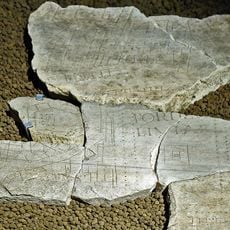
The burial chambers carry Greek and Latin inscriptions that remember people from different social classes and religious backgrounds. Visitors can still see symbols such as doves, anchors, and fish on the walls, expressing the beliefs of those laid to rest here.
Five of the underground sites remain open to visitors and offer guided tours, as free exploration is not permitted. The temperature inside stays cool year-round, so a light jacket is advisable even in summer.
The name "catacomb" comes from the Roman place name ad catacumbas, used for the St. Sebastian catacomb on the Via Appia because it lay near hollows dug for pozzolana earth. After most catacombs were abandoned in the 9th century, St. Sebastian stayed open to visitors, and its name spread to all the others.
The community of curious travelers
AroundUs brings together thousands of curated places, local tips, and hidden gems, enriched daily by 92,528 contributors worldwide.