Porta Esquilina, Ancient city gate at Servian Wall, Rome, Italy
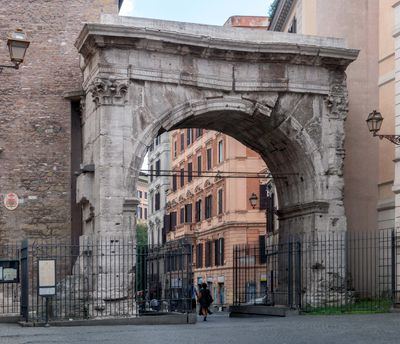
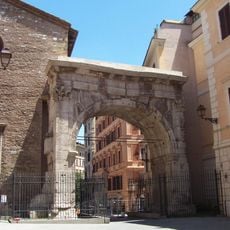
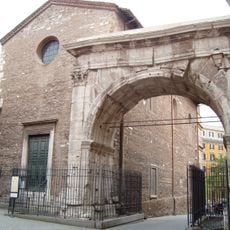
Porta Esquilina is an ancient city gate in Rome that once stood on the eastern side of the city as part of the Servian Wall defensive system. What remains today are archaeological fragments that help reveal how the structure was built and modified over time.
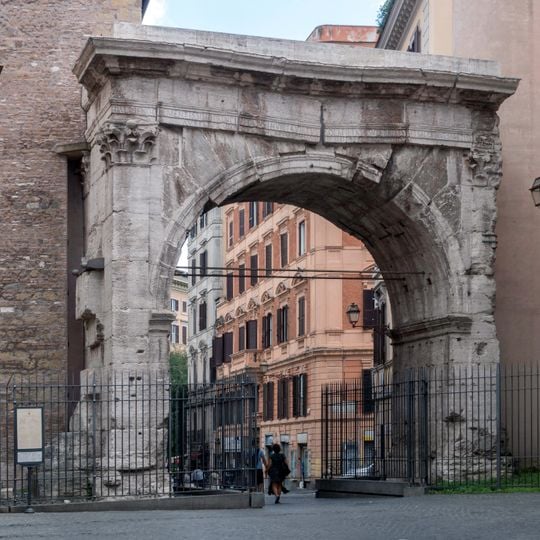
The original gate was built as part of the fourth-century BC Servian Wall, but Emperor Gallienus transformed it into a commemorative arch in 262 AD. This change marked a shift from a purely defensive structure to a monument honoring the emperor.
The gate marked a boundary between the built city and the countryside beyond, serving as a threshold where travelers and merchants entered or left Rome. It was one of the main passages through which people moved outward toward distant regions.
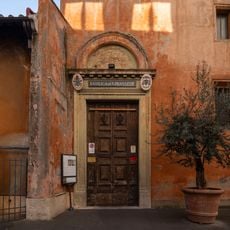
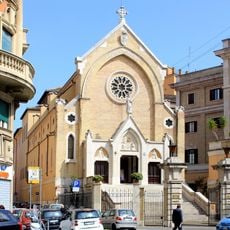
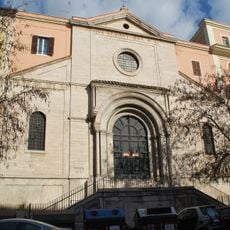
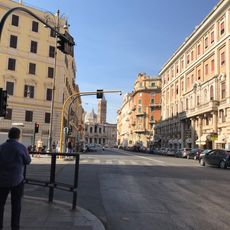
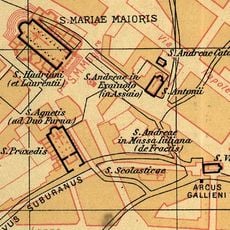
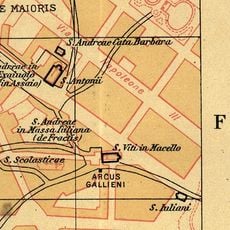
The remains are located near the Church of San Vito and can be found while exploring the eastern sections of Rome's historic center. Visiting during daylight hours makes it easier to spot the archaeological fragments and understand their position within the surrounding cityscape.
The structure evolved from a single passage into a triple-arch design, though only the central opening survives in recognizable form today. This original multi-arch configuration reveals how significant this entrance was for the city's traffic and commerce.
The community of curious travelers
AroundUs brings together thousands of curated places, local tips, and hidden gems, enriched daily by 91,489 contributors worldwide.