Founding of Milan, City founding in Lombardy, Italy
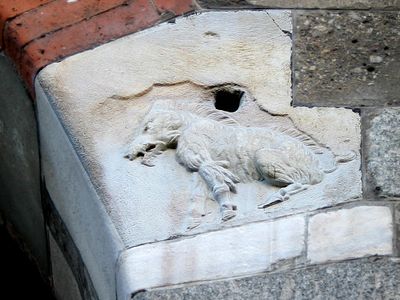
Milan began as a Celtic settlement around the 6th century BC, positioned strategically between key trade routes in northern Italy. The Romans later conquered and rebuilt it into a major urban center with walls, roads, and administrative structures.
Celtic tribes founded the initial settlement and chose the location for its access to trade routes. Roman conquest in the 3rd century BC transformed it into a major administrative hub for their western territories.
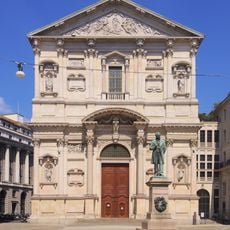
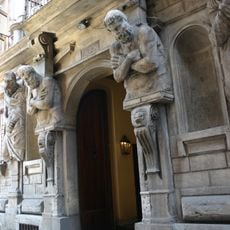
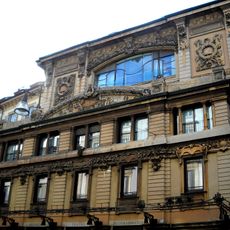
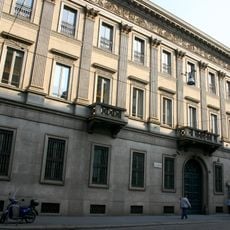
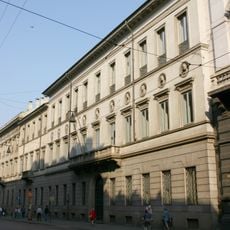
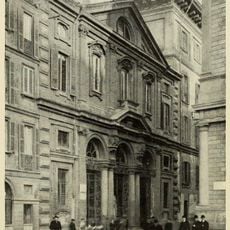
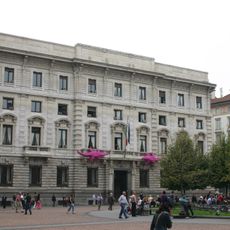
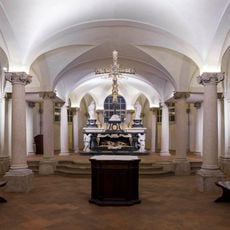
The Sforza rulers brought artists and thinkers to Milan, making it a center where creative work flourished. The city's palaces and churches still show the marks of this artistic period in their decoration and design.
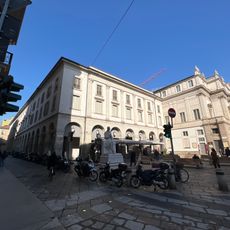
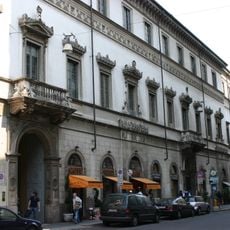
Explore the city center to see remains from different periods, including Roman walls and gates that still stand today. Archaeological sites and museums throughout Milan help visitors understand how the settlement grew from a small trading post into a major city.
The name comes from Latin words meaning "in the middle of the plain," reflecting why the Celtic founders chose this flat location. The open geography allowed the settlement to expand in every direction without geographic obstacles, giving it room to grow into a sprawling metropolis.
The community of curious travelers
AroundUs brings together thousands of curated places, local tips, and hidden gems, enriched daily by 60,000 contributors worldwide.