Acerenthia, Archaeological site in Cerenzia, Italy.
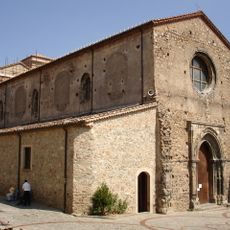
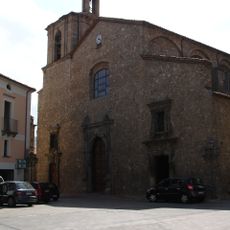
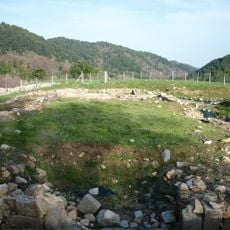
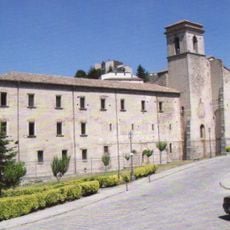
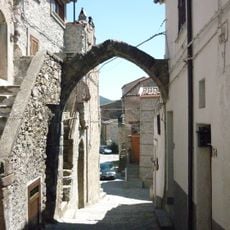
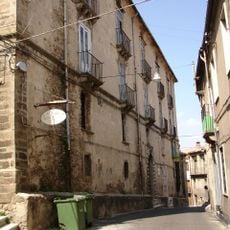
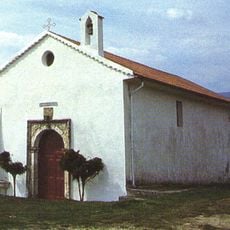
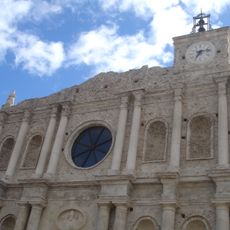
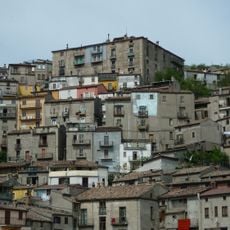
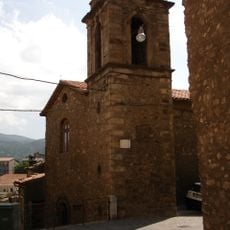
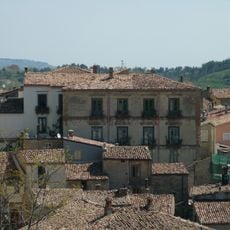
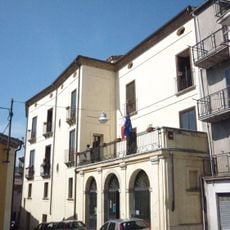
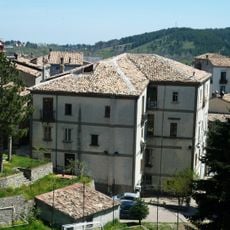
Acerenthia is an abandoned village on two hills in the Scozia district of Cerenzia, with the ruins of houses and other buildings now reduced to ancient rubble. Its buildings were made from a local gypsum-based rock that is very soluble and proved not durable over time. Excavations by the Soprintendenza per i Beni Archeologici della Calabria have been ongoing for years, and in 2007 the so-called Palazzo del Principe was excavated.
The settlement originated under the Greek name Akerontia and later became Akerentia during medieval times. Major earthquakes in 1638 and 1783 forced inhabitants to establish a new town elsewhere, eventually abandoning the original site.
The name Acerenthia derives from the Greek Akerontia, after the Akeronte river, now called Lese; in the early Middle Ages it became Akerentia, then Acerentia, and from this the present name Cerenzia comes. The abandoned village is now called Cerenzia vecchia.
The site sits on a plateau and requires some effort to reach, as access is not continuously paved. Conditions can become slippery during wet weather, so sturdy footwear is advisable.
The buildings of Acerenthia were made with a local gypsum-based rock, very soluble and not durable over time. This material choice, more than climate, explains why after only a century and a half of abandonment the houses and churches appear as ancient ruins.
The community of curious travelers
AroundUs brings together thousands of curated places, local tips, and hidden gems, enriched daily by 93,944 contributors worldwide.