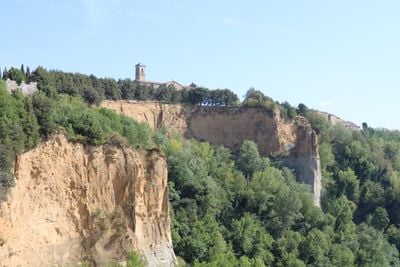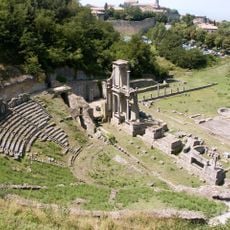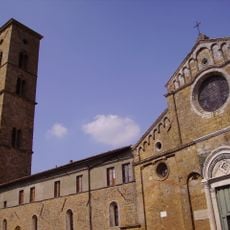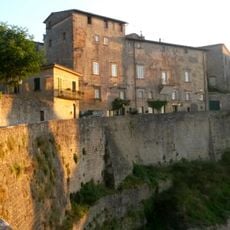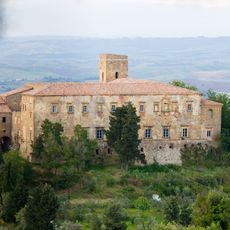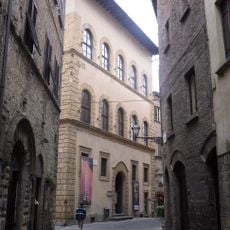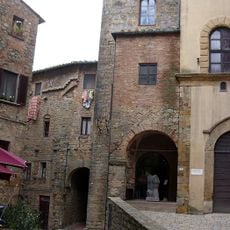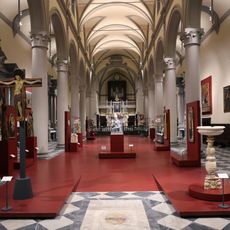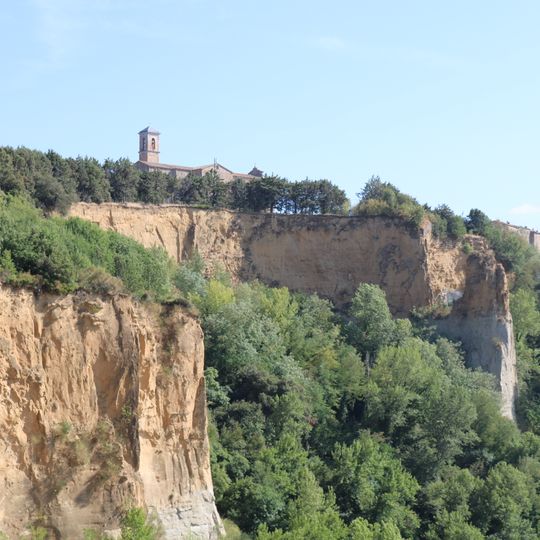
Cliffs of Volterra, Natural cliff formation in Volterra, Italy
The cliffs of Volterra are clay formations with visible geological layers that rise steeply from the landscape around the town. Erosion constantly reshapes these slopes, exposing bands of sediment in different colors and textures.
The cliffs are the result of landslides and erosion in clay soils, a process accelerated by water seeping through the permeable sands of the Villamagna Formation down to the blue clays. This ongoing erosion has consumed Etruscan tombs and later structures, shaping the steep walls and gullies visible today.
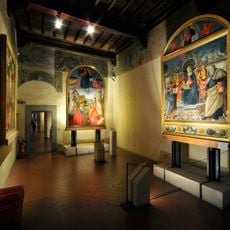
The name "balze" refers to the step-like terraces left where blocks of clay break away and the slope retreats. Local tradition links the cliffs to the Etruscan city: erosion has carried away tombs and buildings, and the lost ground is remembered in the town's museums and records.
The Balze occupy 88.86 hectares on the south-western slope of the Volterra hill, between the Val di Cecina and the Valle dell'Era. The ground is clay subject to landslides and erosion, so stay back from the edges of the vertical walls and the calanchi below them. Paths become slippery after rain, when water seeps quickly through the Villamagna sands down to the blue clays.
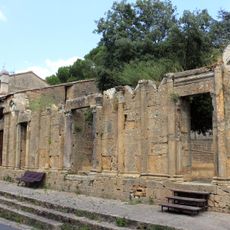
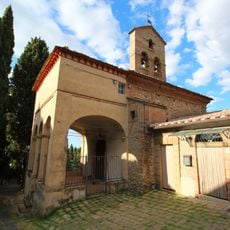
Over centuries, the advancing erosion has swallowed entire historical structures including churches, abbeys, and portions of the ancient necropolis. These lost buildings now exist only in archaeological records and local memory, making the landscape itself a witness to how nature reclaims human creation.
The community of curious travelers
AroundUs brings together thousands of curated places, local tips, and hidden gems, enriched daily by 94,611 contributors worldwide.