Bosco Littorio, Archaeological site in Gela, Italy.
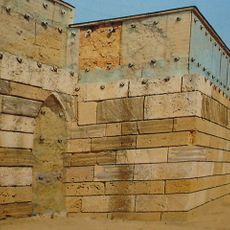
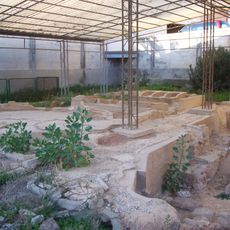
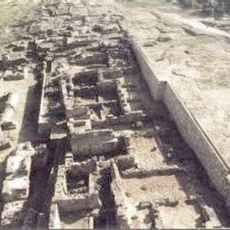
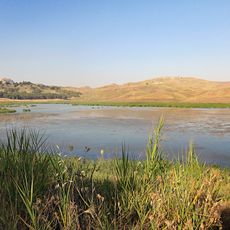
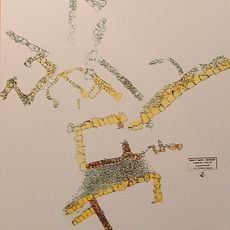
Bosco Littorio is a sandy, tree-planted area at the foot of Gela's acropolis, holding the remains of a Greek archaic emporium. Its rooms are built of sun-dried mudbricks about 60 x 60 x 15 cm on stone foundations 20-30 cm high; walls stand over 2 m tall, some with beam holes and interior plaster. One structure keeps a complete door with jambs and architrave.
The trading center of Gela flourished from the 8th century BC until around 480 BC, when a natural disaster, possibly a tsunami, destroyed the settlement. This sudden destruction preserved the buildings in a state that helps archaeologists understand daily life at that moment.
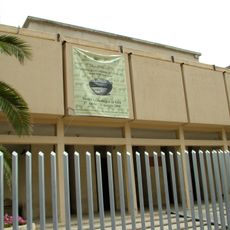
The excavations uncovered terracotta altars from the 5th century BC decorated with mythological figures that reveal the religious practices of the ancient port. These objects are now displayed at the Regional Archaeological Museum of Gela, offering insight into daily spiritual life.
The site is freely accessible year-round and maintained by the Forestry Corps of the Sicilian Region. You can explore independently, though wear sturdy shoes as the ground is uneven and shade is limited throughout the area.
In December 1999, under director Rosalba Panvini, three terracotta altars from the 480s BC came to light here, carved with Medusa with Pegasus and Chrysaor, Eos carrying off Cephalus, and a triad of female figures. They are now kept in the Regional Archaeological Museum of Gela.
The community of curious travelers
AroundUs brings together thousands of curated places, local tips, and hidden gems, enriched daily by 94,461 contributors worldwide.