Marruvium, Archaeological site in San Benedetto dei Marsi, Italy.
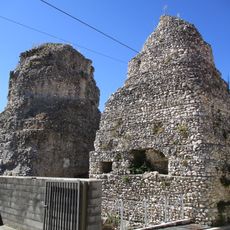
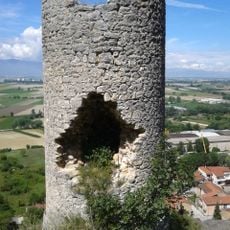
Marruvium was the main centre of the Marsi on the eastern shore of the Fucino lake, today within San Benedetto dei Marsi. Visible remains include stretches of wall in opus reticulatum from the 2nd century BC, a domus with an intact stone floor, mosaics and column bases near the former town hall, and an amphitheatre outside the village with part of a curve and arcades.
The city became a municipium between the end of the Social War and 49 BC, as shown by inscriptions mentioning local officials. This change marked its recognition as a proper Roman community.
Inscriptions from Marruvium attest the cults of Venus, Minerva, the Penates, Vertumnus and Bona Dea. A mutilated stone found at the site names the god Jupiter and a female deity linked to him, written as "iouies pucles" in the Marsic dialect. A cippus bearing a votive inscription in Marsic also survives.
The ancient city lies several meters below the current ground level, so exploring the different phases of development takes time and care. It helps to start with a guide or information area to understand the site better before wandering around.
The streets are organized in rectangular blocks and paved with calcareous slabs, a pattern seen in other Roman cities like Alba Fucens. This grid-like layout shows how Romans applied standardized city planning across their territories.
The community of curious travelers
AroundUs brings together thousands of curated places, local tips, and hidden gems, enriched daily by 92,729 contributors worldwide.