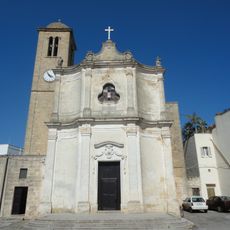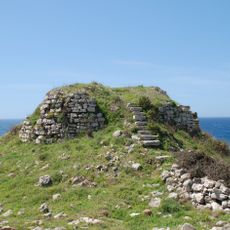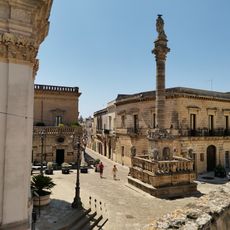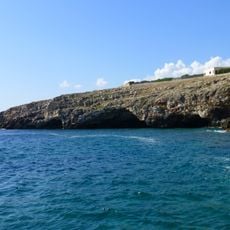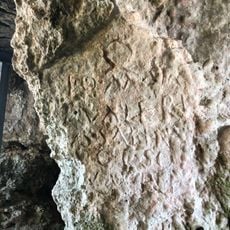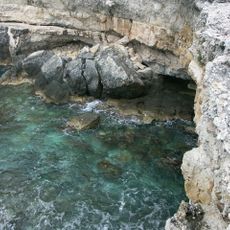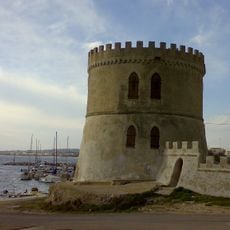
Centopietre, Archaeological monument in Patù, Italy.
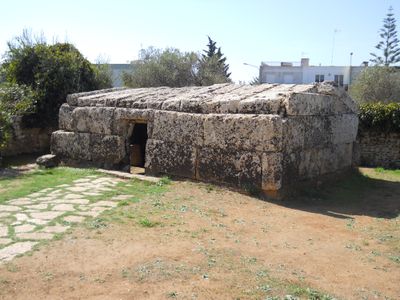
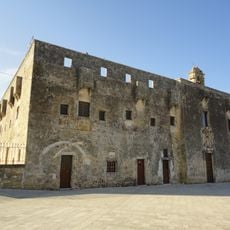
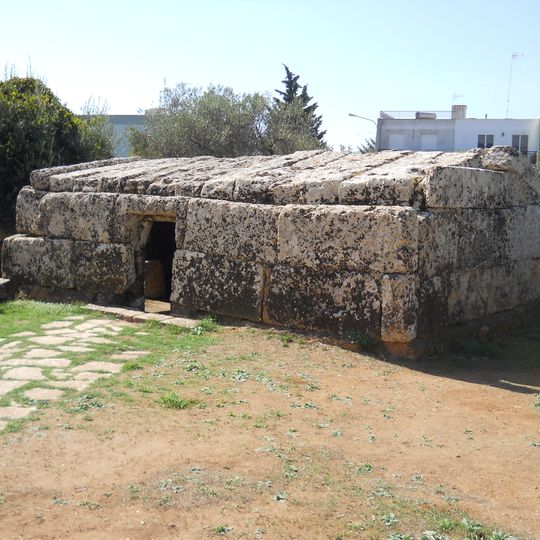
Centopietre is a rectangular stone structure built from blocks taken from ancient ruins nearby. Inside, two separate chambers are divided by columns decorated in Doric style, while openings on different walls provide entry and light.
The structure dates to the 9th or 10th century and was built using stone blocks salvaged from the ancient settlement of Vereto. This reuse of earlier materials was a common practice during the early medieval period in the region.
The painted saints on the interior walls reflect the religious practices and spiritual life of medieval times in this area. These 12th-century artworks show how believers decorated sacred spaces to inspire devotion and prayer.
The site is accessible through openings on the east and south sides, with natural light coming through a north-facing window. Visitors should be prepared for an open-air location and dress appropriately for outdoor conditions.
The name Centopietre means hundred stones, though the actual number of stones used differs from this traditional name. This curious naming reflects how early observers perceived the dense composition of the structure.
The community of curious travelers
AroundUs brings together thousands of curated places, local tips, and hidden gems, enriched daily by 91,866 contributors worldwide.