Pisa Charterhouse, Carthusian monastery in Calci, Italy
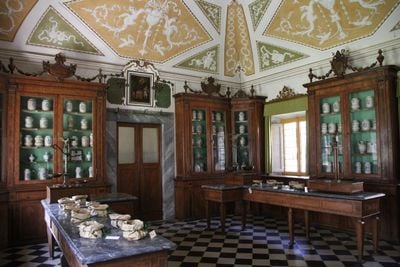
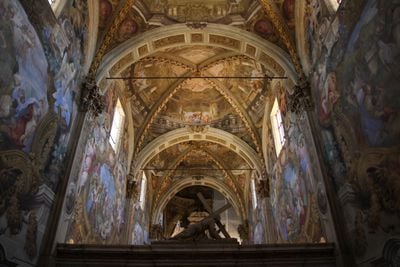
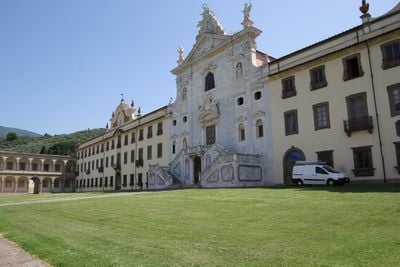
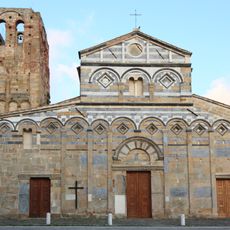
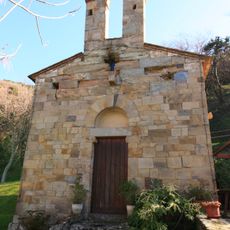
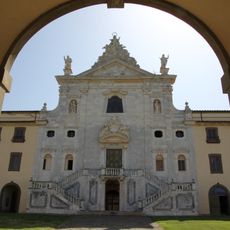
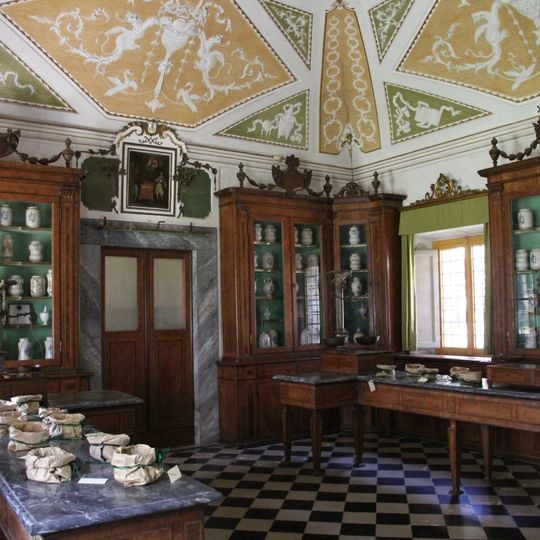
Pisa Charterhouse is a Carthusian monastery in Calci, Italy, built on the slopes of Mount Pisano and composed of several interconnected wings. The site displays baroque marble work, cloisters, small chapels, and maintained gardens arranged around spacious courtyards.
Francesco Moricotti, Archbishop of Pisa, founded the charterhouse in Val Graziosa on 30 May 1366. Pope Gregory XI soon transferred the Benedictine monks of Gorgona to it, and in 1425 the Gorgona community moved to Calci for safety. The complex took its Baroque form in the 17th and 18th centuries; the last monks left in 1972.
The name Certosa comes from the Carthusian order, whose monks lived as hermits in individual cells around the great cloister, each cell a small dwelling with its own rooms and garden plot. The refectory holds Bernardino Poccetti's fresco of the Last Supper, painted in 1597, and the walls were redecorated in 1773 by Pietro Giarrè. Five liturgical books with musical notation are kept here, the oldest a 15th-century parchment volume from Gorgona.
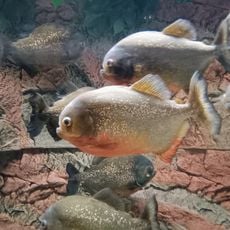
The site houses part of the Natural History Museum of the University of Pisa, displaying geology and zoology collections. Visitors can walk through several rooms and courtyards, though some areas are accessible only during guided tours.
The natural history museum moved here in 1981 from its city premises; its collection began in 16th-century Pisa as a cabinet of curiosities attached to the Giardino dei Semplici. Among the holdings are 51 glass marine invertebrates made by the Bohemian glass artists Leopold and Rudolf Blaschka, and a whale gallery installed in the former monastery's attic.
The community of curious travelers
AroundUs brings together thousands of curated places, local tips, and hidden gems, enriched daily by 93,929 contributors worldwide.