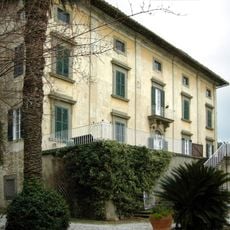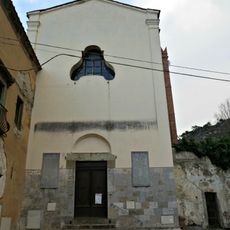
Natural History Museum of the University of Pisa, Natural history museum in Calci, Italy.
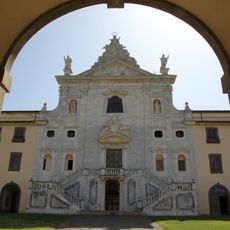
The Natural History Museum of the University of Pisa occupies three floors within a Carthusian monastery and displays collections of animals, fossils, and minerals. The rooms are arranged to guide visitors through different branches of natural science in a logical way.
The museum was founded in 1596 by Ferdinando I de' Medici as a collection of natural objects linked to botanical gardens. This was one of the first collections of its kind in Europe and formed the basis for what exists today.
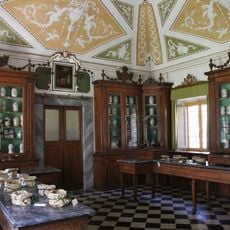
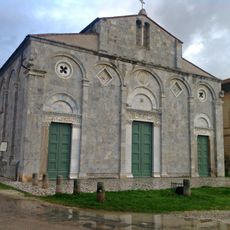
The collections are displayed within the spaces of a former Carthusian monastery, where specimens occupy rooms that once served monastic purposes. Visitors can sense how scientific objects have been preserved and studied in these sacred halls for centuries.
The museum is easier to visit during fall and winter months, while summer brings longer hours and more crowds. Wear comfortable shoes since you will walk through multiple floors with many displayed specimens.
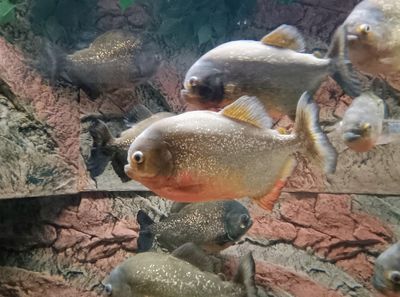
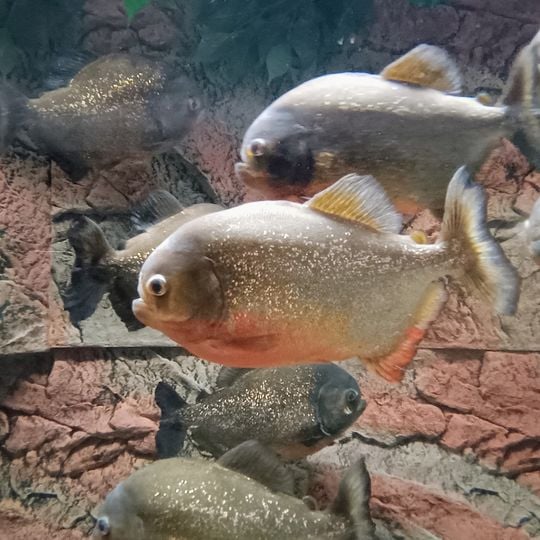
The museum houses one of Europe's largest collections of whale skeletons, with bones from different species and different oceans. It also contains one of Italy's largest freshwater aquariums, where living fish and other water creatures can be seen.
The community of curious travelers
AroundUs brings together thousands of curated places, local tips, and hidden gems, enriched daily by 92,604 contributors worldwide.