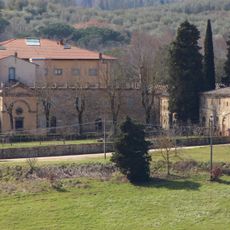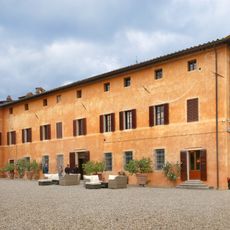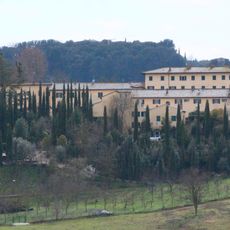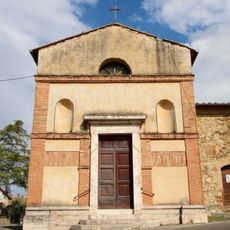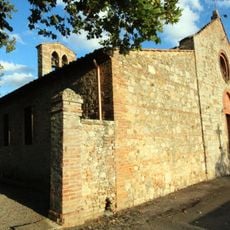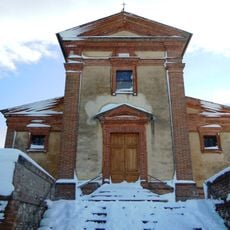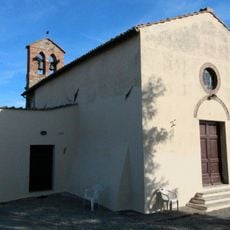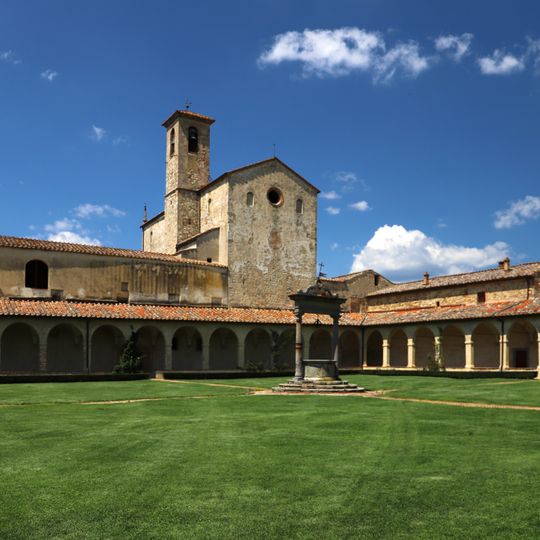
Certosa di Pontignano, Carthusian monastery in Castelnuovo Berardenga, Italy
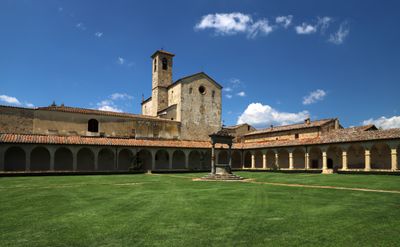
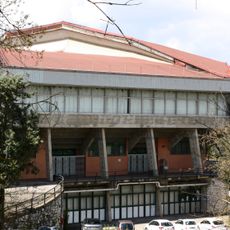
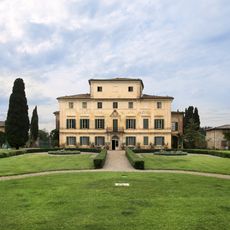
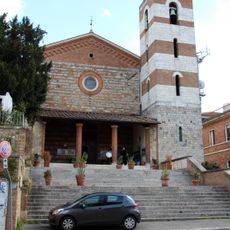
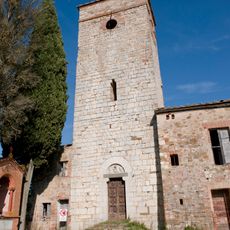
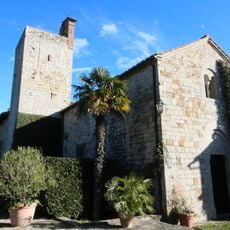
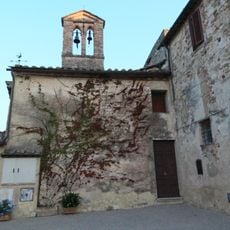
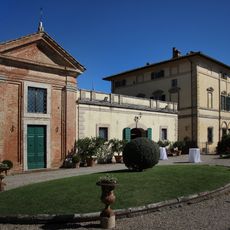
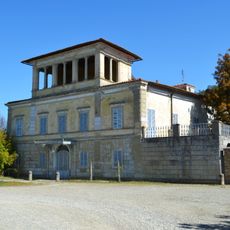
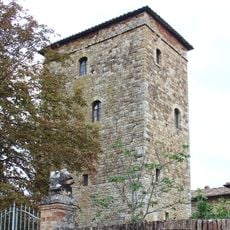
Certosa di Pontignano is a Renaissance monastery in Castelnuovo Berardenga organized according to Carthusian tradition, with monk cells arranged around a main cloister, separate quarters for lay brothers, and distinct church spaces. The complex forms a self-contained community where different functional areas flow around central gardens in a structured layout.
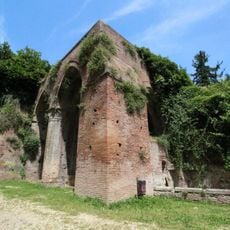
The complex was commissioned in 1343 by Bindo di Falcone Petroni and suffered severe destruction in 1554 from mercenary forces. A major rebuilding followed this attack, shaping the monastery's appearance today.
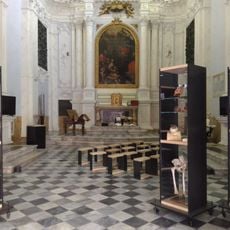
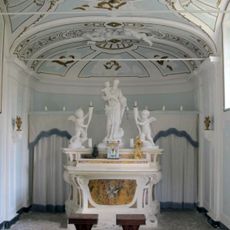
The church displays intricate frescoes showing scenes from the lives of Christ and Saint Bruno, along with a wooden choir made by a renowned 16th-century craftsman. These decorative elements shape the interior today and let visitors feel the artistic care the monks invested in their space.
The site is managed by the University of Siena and functions today as a venue for academic conferences, study meetings, and gatherings in a historic setting. Visitors should expect to walk between different areas of the complex, as the spaces spread across the grounds.
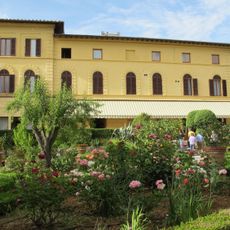
The monastery contains three distinct cloister gardens: two grass rectangles and one Renaissance garden with geometric patterns nestled among olive trees. This variety in garden design shows how the Carthusians linked nature with human order in their spiritual spaces.
The community of curious travelers
AroundUs brings together thousands of curated places, local tips, and hidden gems, enriched daily by 93,012 contributors worldwide.