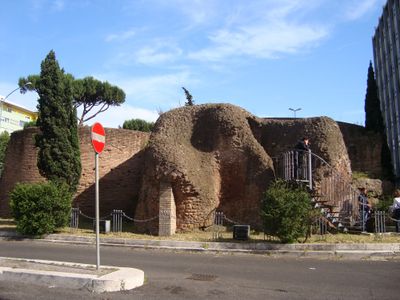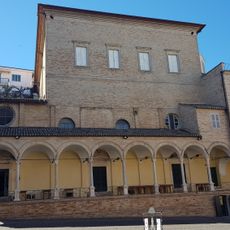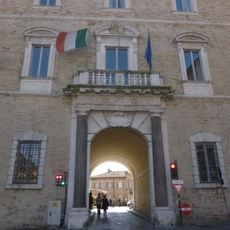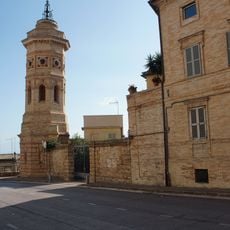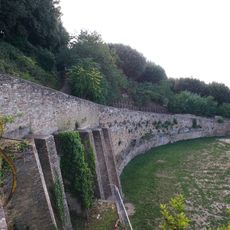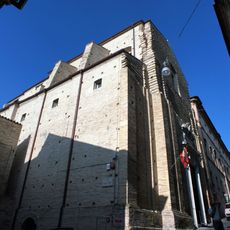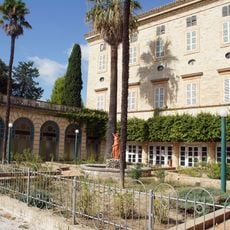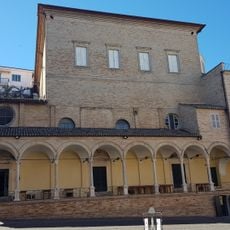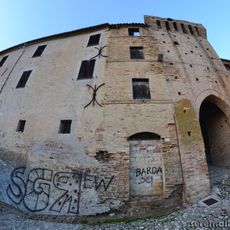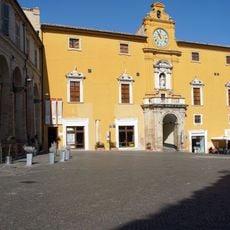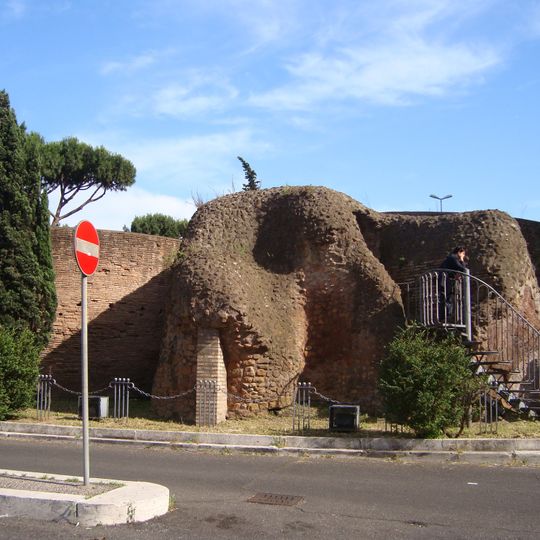
Roman cisterns, Archaeological site and historical museum in Fermo, Italy.
The Roman Cisterns are an underground complex beneath Fermo's center consisting of multiple interconnected chambers that once stored water for the ancient city. The structure demonstrates Roman engineering methods used to collect and preserve water in a single unified system.
The cisterns were built in the first century under Emperor Augustus to supply drinking water to the Roman colony of Firmum Picenum. This water infrastructure became a key part of the settlement's development and survival.
These cisterns were vital to Roman town life, showing how residents depended on this water system for drinking and daily needs. The underground chambers reveal the practical concerns that shaped how people lived in this ancient settlement.
The cisterns are located underground and can only be visited on guided tours that depart from a nearby museum. Visitors should be prepared for uneven ground and damp conditions in the subterranean chambers.
During World War II the underground chambers served as a shelter for residents, and visitors can still see inscriptions from that period carved into the walls. These markings tell the story of a different era in the history of this ancient place.
The community of curious travelers
AroundUs brings together thousands of curated places, local tips, and hidden gems, enriched daily by 92,639 contributors worldwide.