Cubulteria, Archaeological site in Dragoni and Alvignano, Italy.
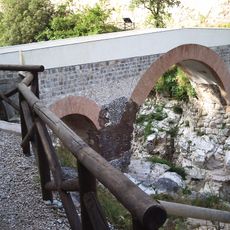
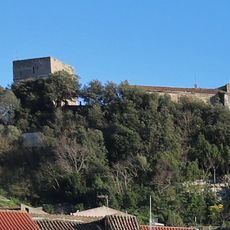
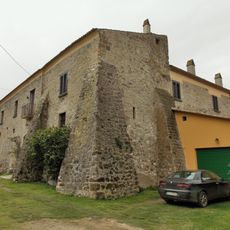
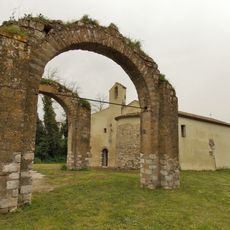
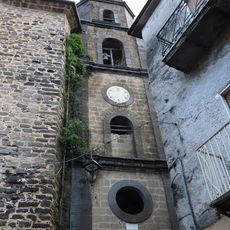
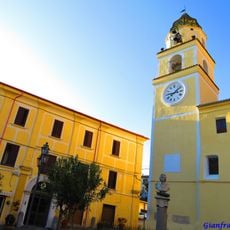
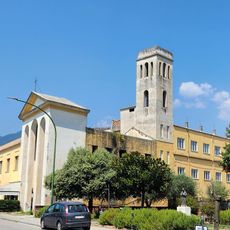
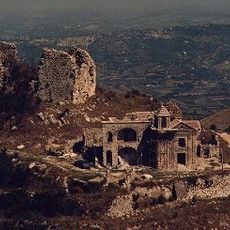
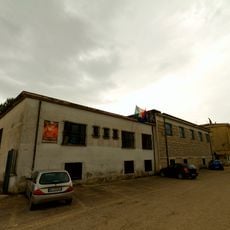
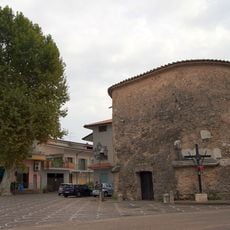
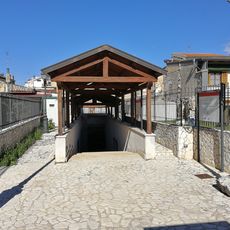
Cubulteria is an archaeological site in the municipalities of Dragoni and Alvignano in Caserta province. The ruins spread across a strategic area with stone foundations, ancient pathways, and structures from Roman times, while the Church of Santa Maria still stands on the site today.
Cubulteria was a Samnite city that sided with Hannibal after his victory at Cannae; Quintus Fabius Maximus retook it in 215 BC and again in 214 BC, when 25,000 were killed or captured and 370 deserters were thrown from the Tarpeian Rock. It later became a Roman ally and was embellished with a forum, basilica, aqueduct and, in 119 AD under Hadrian, a circuit of walls.
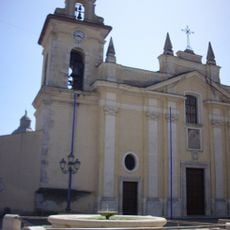
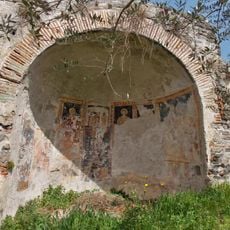
Cubulteria's coins carry Oscan legends such as KVPELTERNUM, with a laureate head of Apollo on the obverse and a bull crowned by Victory on the reverse. They date from the 3rd century BC, when Rome forced the city into separate alliance, and follow the types of Neapolis, including the Greek letters ΙΣ. The church of Santa Maria di Cubulteria, now dedicated to San Ferdinando d'Aragona, was probably built over a Roman temple.
The site is best explored on foot, offering views of the surrounding countryside. Its location between the two municipalities and proximity to the Volturno River make it accessible, though a visit requires some preparation beforehand.
Cubulteria minted its own coins in the 3rd century BC, inscribed in the Oscan alphabet with the legend KVPELTERNUM. The obverse shows the laureate head of Apollo; the reverse a bull with a human face, crowned by Victory, with the Greek letters ΙΣ also used at Neapolis.
The community of curious travelers
AroundUs brings together thousands of curated places, local tips, and hidden gems, enriched daily by 94,112 contributors worldwide.