Grotta Nera
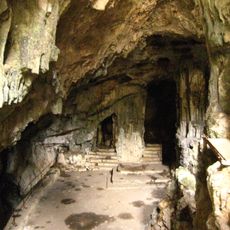
Grotta Nera is a cave in Trieste formed over thousands of years as underground water eroded the surrounding rock through slow natural processes. The walls are lined with stalactites and stalagmites created by mineral-rich water dripping over time, forming a rough natural structure with multiple chambers and dark passages that extend deep underground.
The cave was inhabited in prehistoric times, as evidenced by stone tools and bones found inside. In the Middle Ages, a legend emerged that it served as a leper colony, and during World War Two it suffered heavy damage from explosions that revealed larger underground chambers and blackened the walls.
The cave takes its name from the dark color of its interior, caused by lack of sunlight and dark mineral deposits on the walls. Today it serves as a place where visitors can step away from the city and experience a quiet underground space that feels separate from everyday life.
Wear sturdy shoes as the ground is uneven and sometimes wet, and bring a strong flashlight for darker sections of the passages. Dress in layers since the underground space stays cool and damp year-round with a constant temperature, making it comfortable to move through the cave gradually.
Explosions during World War Two in Grotta Nera blackened the walls and unexpectedly revealed hidden cavities, opening up new chambers that were previously unknown. These wartime scars make it a rare example of a natural wonder deeply marked by human conflict and destruction.
The community of curious travelers
AroundUs brings together thousands of curated places, local tips, and hidden gems, enriched daily by 92,779 contributors worldwide.