Roman Theatre of Florence, Roman theatre in Florence, Italy
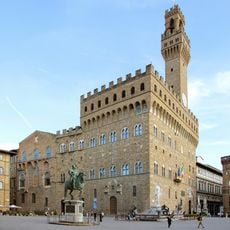
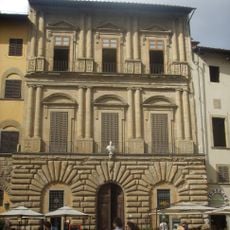
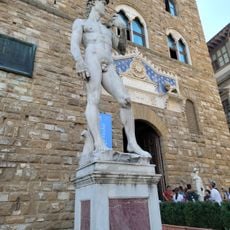
The Roman Theatre of Florence was located beneath the modern Palazzo Vecchio and Palazzo Gondi, serving as a major public gathering space. Its semicircular design with tiered seating faced a central stage building, a standard layout for Roman entertainment venues.
Dated to the 1st century AD, the theatre stood within the walls of Florentia and could hold an estimated 8,000 to 10,000 spectators. In the 5th and 6th centuries it fell into disuse; during the Lombard period the Torre del Guardingo was built on its remains, and in the early Middle Ages cells were carved out of it, used until the 13th century. Construction of Palazzo Vecchio and surrounding streets erased its visible traces.
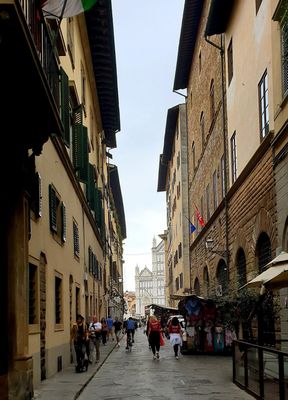
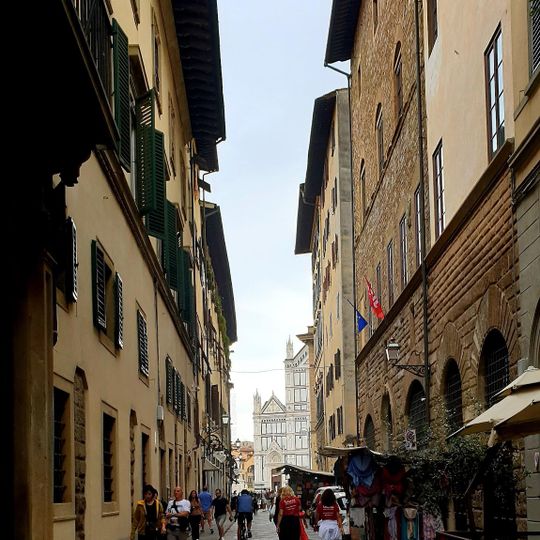
The theatre's cavea faced Piazza della Signoria, and its stage lay along today's Via dei Leoni and Piazza San Firenze. In the early Middle Ages the site held the Torre del Guardingo, and cells carved into the ruins served as prisons until the 13th century. The name of the street Via dei Gondi recalls the Palazzo Gondi built over part of the structure.
The remains are not directly visible beneath the streets, but the Florence Museum features a detailed model showing the original layout. Visitors can explore the site through museum exhibitions to understand the structure and its position in the ancient city.
In 1876, while a sewer in Via de' Gondi was being rebuilt, nine wedges of the auditorium's substructure were cut through obliquely. Digs resumed in the Palazzo Vecchio cellars in 1935 and again in 2006–2007 under Riccardo Francovich, and the excavated area opened to the public in stages in 2014–2015.
The community of curious travelers
AroundUs brings together thousands of curated places, local tips, and hidden gems, enriched daily by 93,637 contributors worldwide.