Fountain of Neptune, Renaissance fountain in Piazza della Signoria, Florence, Italy
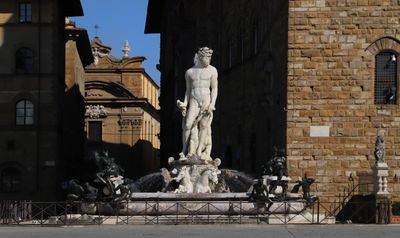
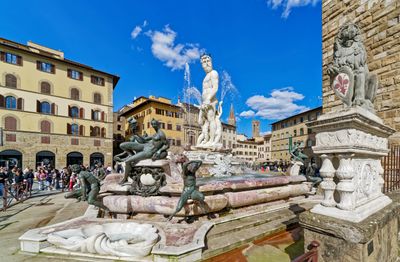
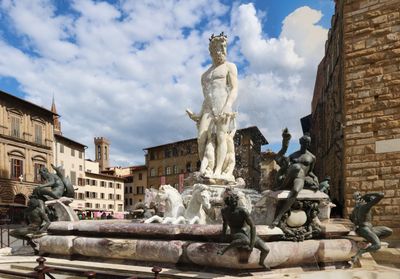
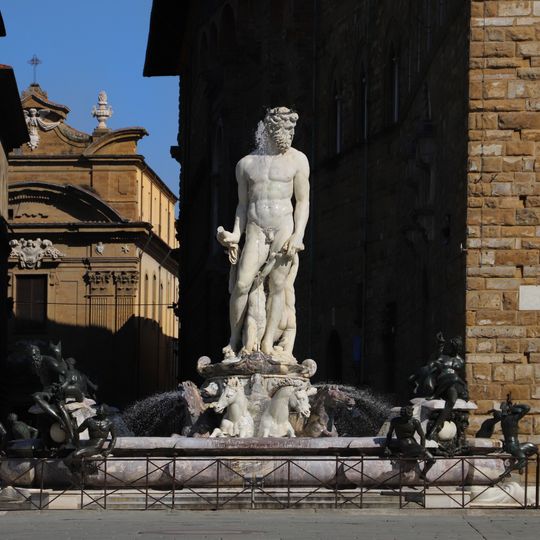
The Fountain of Neptune is a Renaissance work in Piazza della Signoria in Florence, with a central marble figure of the sea god standing on a chariot. Four horses pull the chariot while bronze sculptures of sea deities surround the basin.
Cosimo I de' Medici commissioned the fountain in 1559 to celebrate his son Francesco's marriage. Architect Bartolomeo Ammannati completed the work in 1565 after several years of labor.
Florentines nicknamed the statue "Il Biancone," meaning the big white one, referring to the pale marble that stands out against darker bronze. Locals use the fountain as a landmark when giving directions through the historic center.
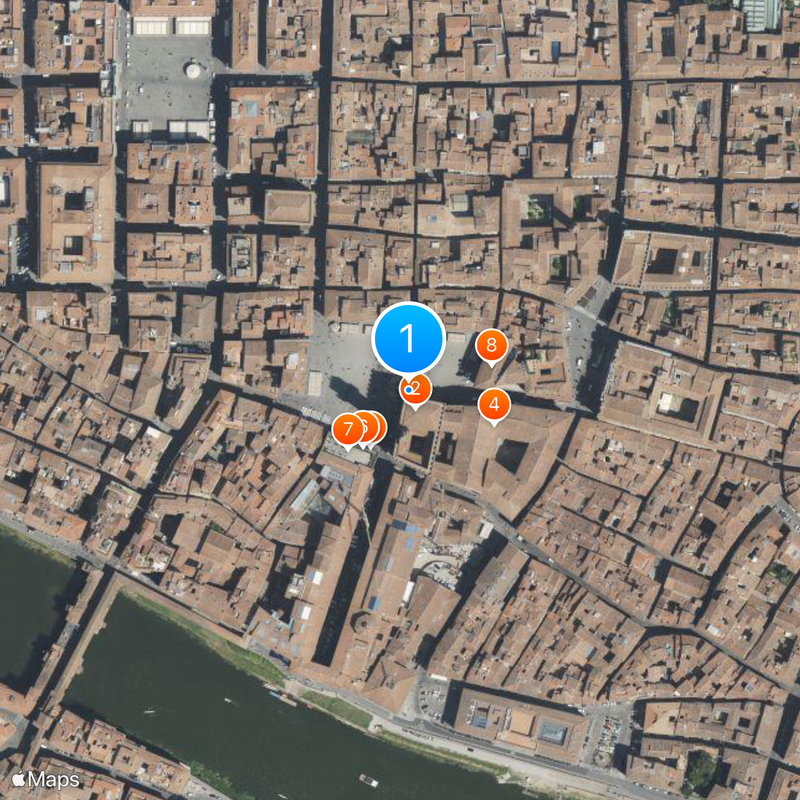
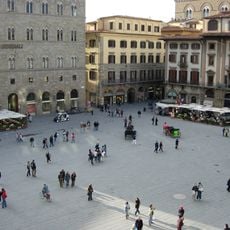
The fountain stands in front of Palazzo Vecchio and serves as a meeting point for walking tours through the historic center. The piazza is accessible throughout the day and makes a good reference point for navigating the old town.
The 2019 restoration was funded by fashion house Salvatore Ferragamo, headquartered in Florence. The work removed centuries of damage from vandalism and brought back the original colors of the marble.
Location: Florence
Inception: 1560
Architects: Bartolomeo Ammannati
Creator: Bartolomeo Ammannati, Baccio Bandinelli
Official opening: 2 Millenium
Height: 560 cm
Made from material: marble, bronze
GPS coordinates: 43.76956,11.25606
Latest update: December 5, 2025 22:24
Italian historic fountains demonstrate five centuries of craftsmanship in sculpture, hydraulic engineering, and urban design. From the 15th to the 19th century, Italian artisans shaped marble, bronze, and stone to create works combining practicality and artistic expression. These fountains tell stories from classical mythology, such as Neptune and marine deities, or from the Bible, like Moses drawing water from the rock. They also celebrate the political power of great families and the identity of Italian cities. In Rome, the Trevi Fountain extends 86 feet (26 meters) high with baroque sculptures, while Bernini's Fountain of the Four Rivers symbolizes continents on Piazza Navona. In Florence, Neptune sits above the Piazza della Signoria, recalling the Medici family's maritime ambitions. The gardens of Villa d'Este in Tivoli feature 51 fountains spread across multiple terraces, showcasing Renaissance hydraulic mastery. These works reveal how water has shaped Italy’s architecture and urban life, from papal Rome to squares in Palermo and Siena.
Palazzo Vecchio
13 m
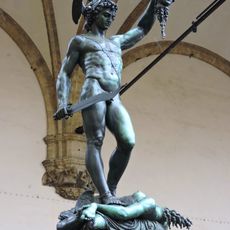
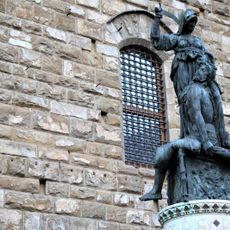
Perseus with the Head of Medusa
48 m
Vasari Corridor
67 m
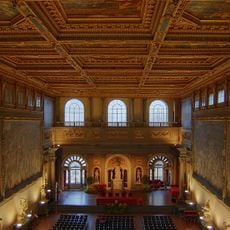
Salone dei Cinquecento
64 m
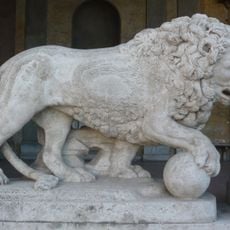
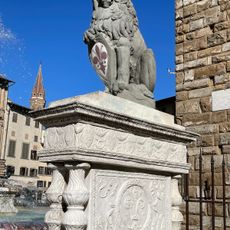
Medici lions
51 m
Pasquino Group
59 m
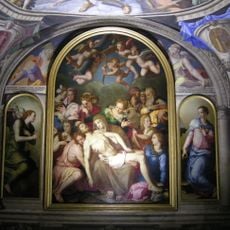
Studiolo of Francesco I
67 m
Gucci Museum
60 m
Palazzo Gondi
96 m
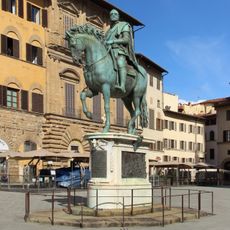
Equestrian Monument of Cosimo I
29 m
Gabinetto dei disegni e delle stampe
88 m
Studiolo di Cosimo I
67 m
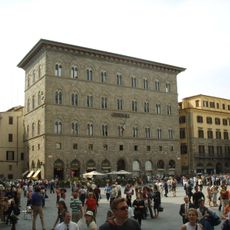
Palazzo delle Assicurazioni Generali
72 m
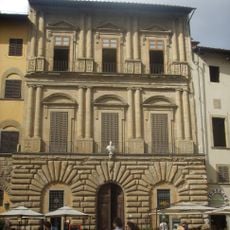
Palazzo Uguccioni
59 m
Moreniana Library
60 m
Chiesa di Santa Cecilia (Florence, Italy)
101 m
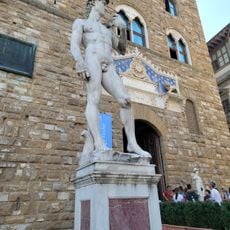
Replica of statue of David
36 m
Palazzo dei Cerchi
83 m
Palazzo dell'Arte dei Mercatanti
85 m
Palazzo Bombicci
78 m
Torre degli Alepri
77 m
Palazzo dei Buonaguisi
104 m
Palazzo Giugni
84 m
Palazzo delle Farine
72 m
Torre dei Ciacchi
106 m
Cappella di Eleonora
51 m
Niccolò Macchiavelli
101 m
CLN Toscana headquarters plaque
103 mReviews
Visited this place? Tap the stars to rate it and share your experience / photos with the community! Try now! You can cancel it anytime.
Discover hidden gems everywhere you go!
From secret cafés to breathtaking viewpoints, skip the crowded tourist spots and find places that match your style. Our app makes it easy with voice search, smart filtering, route optimization, and insider tips from travelers worldwide. Download now for the complete mobile experience.

A unique approach to discovering new places❞
— Le Figaro
All the places worth exploring❞
— France Info
A tailor-made excursion in just a few clicks❞
— 20 Minutes