See the monuments around you in AROpen chests in the app
Around Us is built for your phone — point your camera at the streets and discover the monuments and places around you in augmented reality.Around Us is built for your phone — chests unlock when you walk, explore and capture nearby places.
European fountains have been central features of city squares, gardens, and palaces since the 16th century. These water features display scenes from mythology, religion, and history through carefully crafted sculptures and flowing water. Each fountain tells a story about the place where it stands and the time when it was built.
This collection includes well-known fountains like the Trevi Fountain in Rome, which has drawn visitors for over 3 centuries, and the Fountain of Neptune in Florence, which demonstrates the power of water in art. Paris holds the Fountain of the Innocents, a Renaissance work with delicate carved figures. Other fountains such as the Samson Fountain in Saint Petersburg and the Neptune Fountain in Vienna show the variety of European fountain design and craftsmanship.
From Barcelona to Berlin, from Versailles to Geneva, these fountains offer moments of pause and observation. They combine practical water systems with artistic expression and continue to shape the character of their cities today.
European fountains have been central features of city squares, gardens, and palaces since the 16th century. These water features display scenes from mythology, religion, and history through carefully crafted sculptures and flowing water. Each fountain tells a story about the place where it stands and the time when it was built.
This collection includes well-known fountains like the Trevi Fountain in Rome, which has drawn visitors for over 3 centuries, and the Fountain of Neptune in Florence, which demonstrates the power of water in art. Paris holds the Fountain of the Innocents, a Renaissance work with delicate carved figures. Other fountains such as the Samson Fountain in Saint Petersburg and the Neptune Fountain in Vienna show the variety of European fountain design and craftsmanship.
From Barcelona to Berlin, from Versailles to Geneva, these fountains offer moments of pause and observation. They combine practical water systems with artistic expression and continue to shape the character of their cities today.
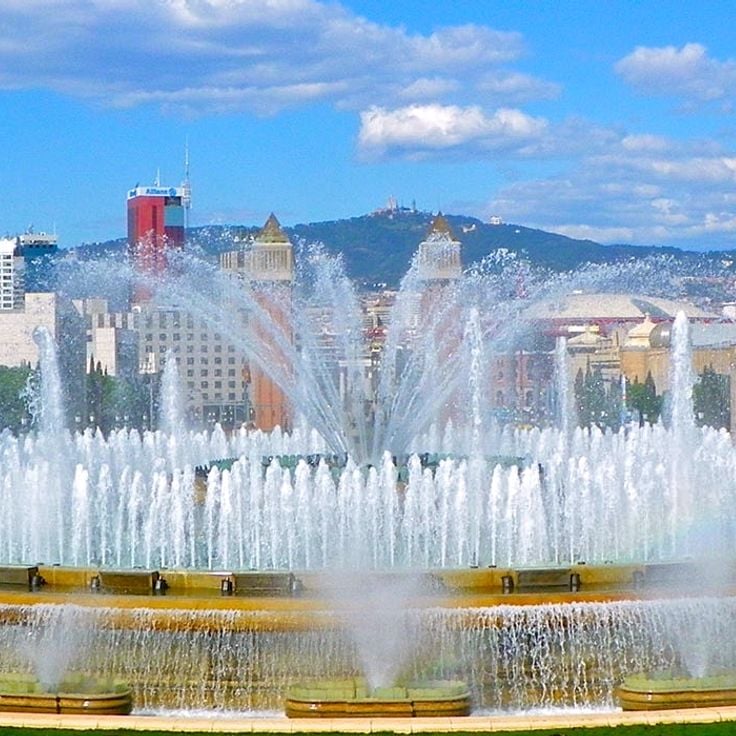
The Magic Fountain of Montjuïc is a monumental water feature standing at the foot of Montjuïc mountain in Barcelona since 1929. The fountains in this collection have adorned European squares, gardens, and palaces since the 16th century, displaying architectural and cultural merit. The Magic Fountain of Montjuïc combines water, colored light, and music in a display that draws visitors and brings the public space to life.
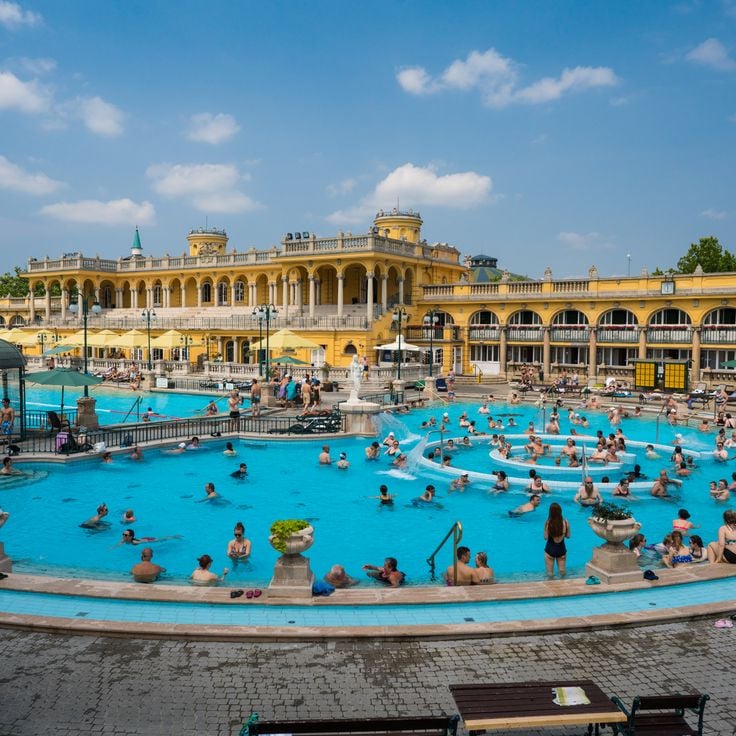
This fountain stands in the Széchenyi Thermal Bath, one of Europe's largest thermal bath complexes opened in 1913. The fountain draws from natural healing springs that have supplied the baths for more than a century. It is an integral part of this monumental water feature used daily by thousands of visitors.
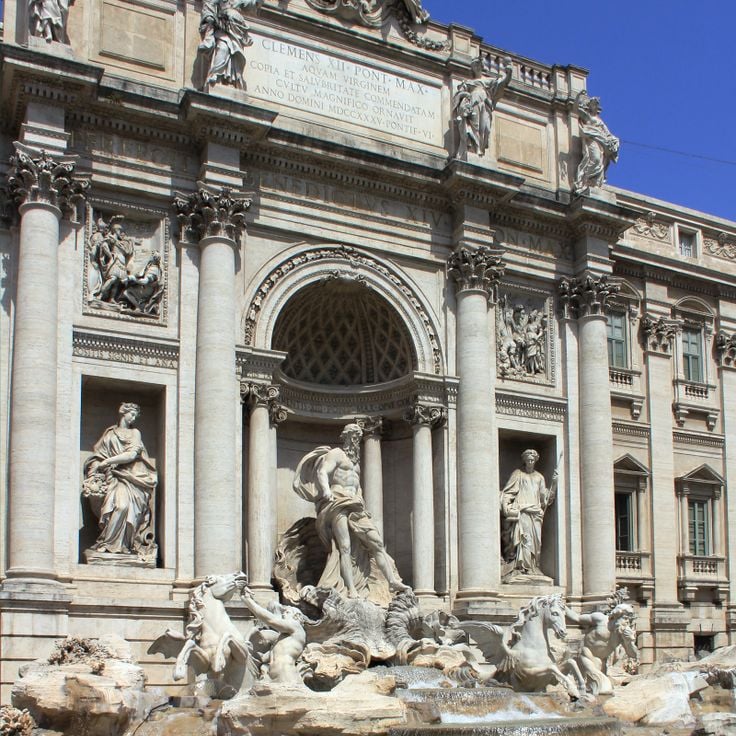
Trevi Fountain in Rome is an 18th century Baroque fountain included in the collection of historic water fountains in Europe. The fountain depicts Neptune on a shell chariot pulled by sea horses. This monumental water feature is among the architectural works that have adorned European squares, gardens and palaces since the 16th century, displaying motifs from mythology, religion and history.
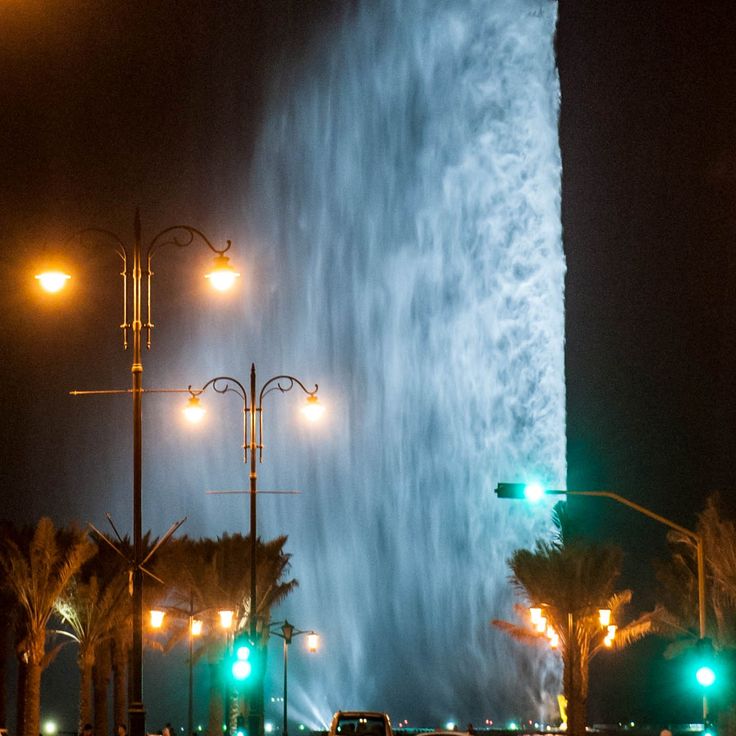
King Fahd's Fountain in Jeddah is part of the tradition of monumental water features that have adorned squares, gardens and palaces across Europe since the 16th century. This fountain impresses with its towering water jet and the volume of water it propels into the air each second. The work demonstrates how fountains serve as significant architectural and cultural landmarks in cities around the world.
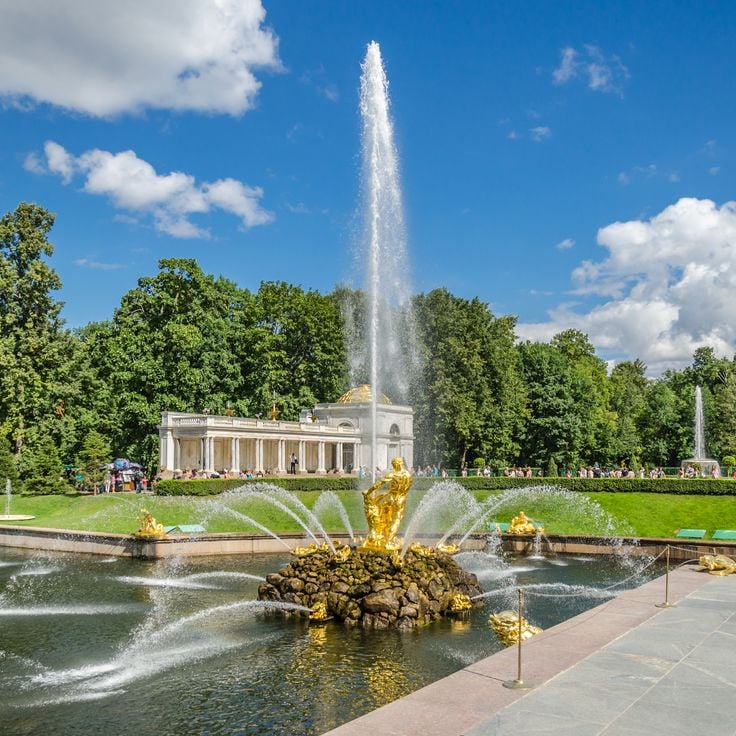
The Samson Fountain stands at the center of the Peterhof Palace complex as a bronze and marble sculpture. Water sprays from the lion's mouth, reaching a height of 20 meters. This fountain belongs to the monumental water features that have adorned European squares, gardens and palaces since the 16th century, displaying motifs from mythology, religion and history.
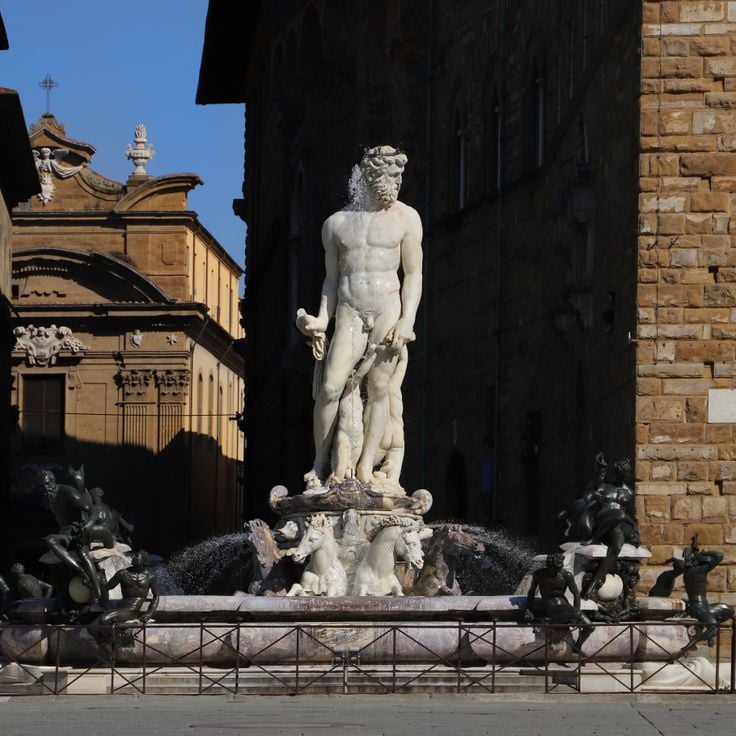
The Fountain of Neptune in Florence is a marble fountain topped with a bronze statue of Neptune. The base displays sea deities and horses rendered in bronze. Built between 1560 and 1575, this fountain represents the monumental water features that have adorned European squares and palaces since the 16th century. Its mythological motifs showcase the artistic and architectural skill of the Renaissance period.
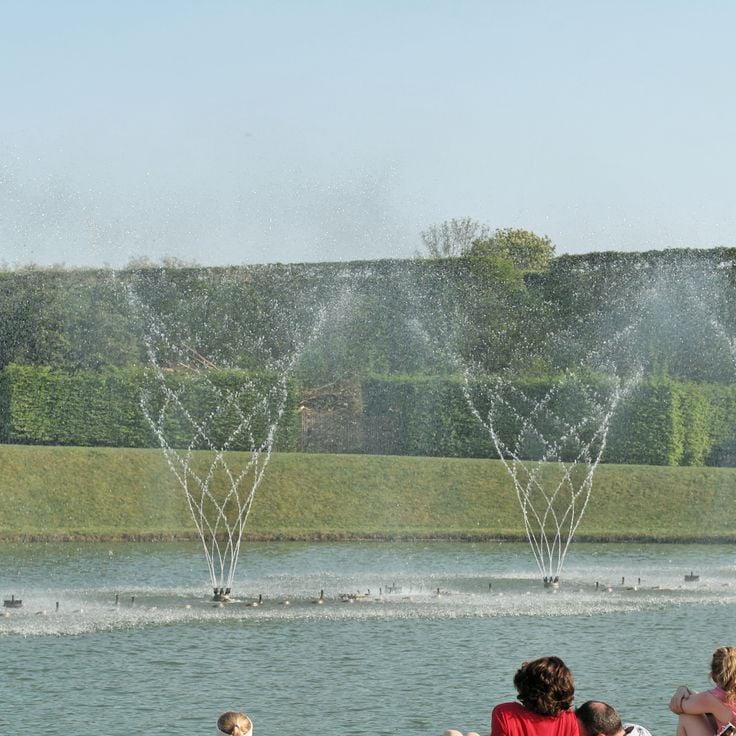
The Mirror Fountain at Versailles is a flat water surface with 84 jets that create geometric patterns synchronized to music. Built during the reign of Louis XIV, this fountain represents the monumental water features that have adorned European squares, gardens and palaces since the 16th century, displaying motifs from mythology, religion and history.
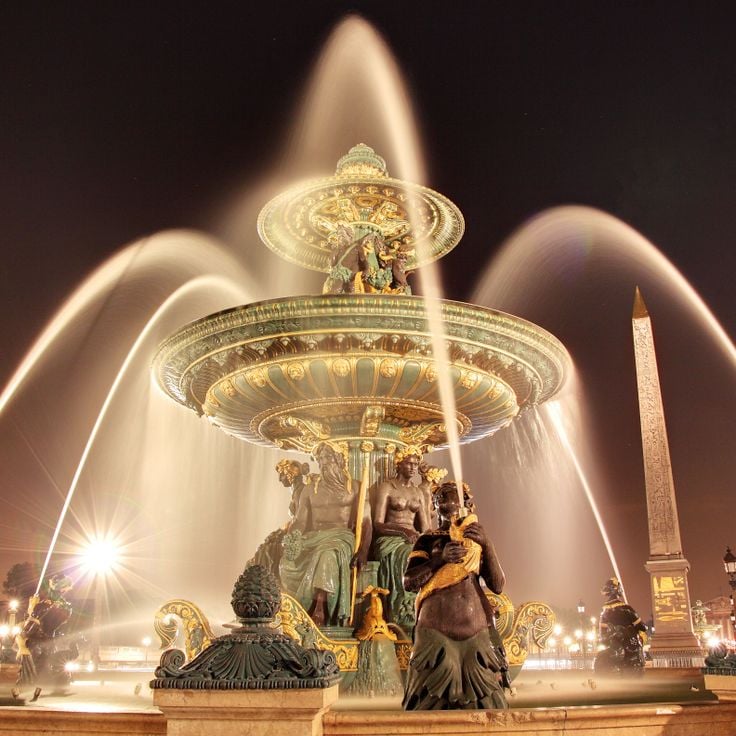
The fountains at Place de la Concorde in Paris consist of two water features with figures representing French seas and rivers. Built in 1840 and designed by Jacques Hittorff, these fountains exemplify the monumental water features that have adorned European squares, gardens and palaces since the 16th century, displaying motifs drawn from mythology, religion and history.
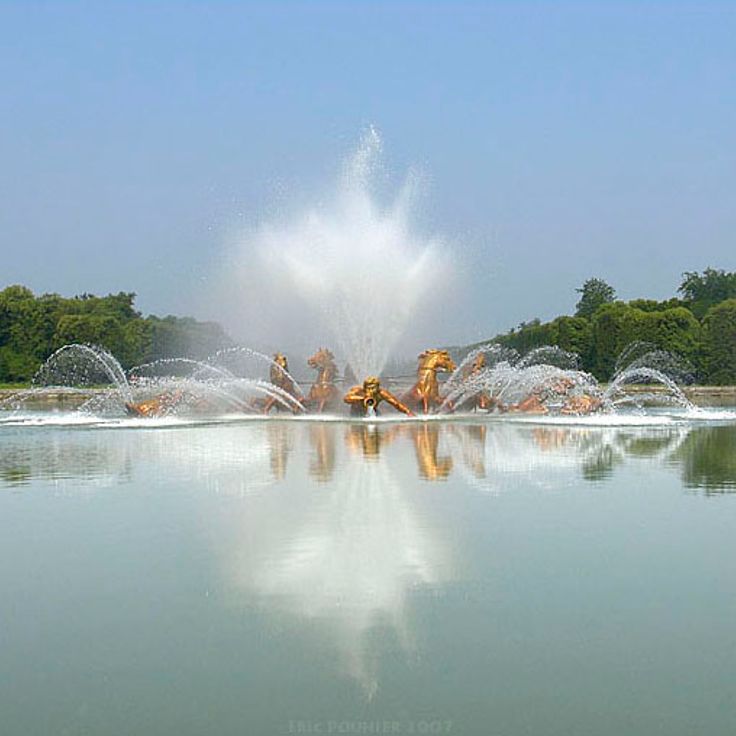
The Apollo Fountain in Versailles depicts the sun god Apollo driving his four-horse chariot and exemplifies the monumental water features that have graced European squares, gardens, and palaces since the 16th century. This water feature spans three terraces in the gardens, blending mythology with architectural skill.
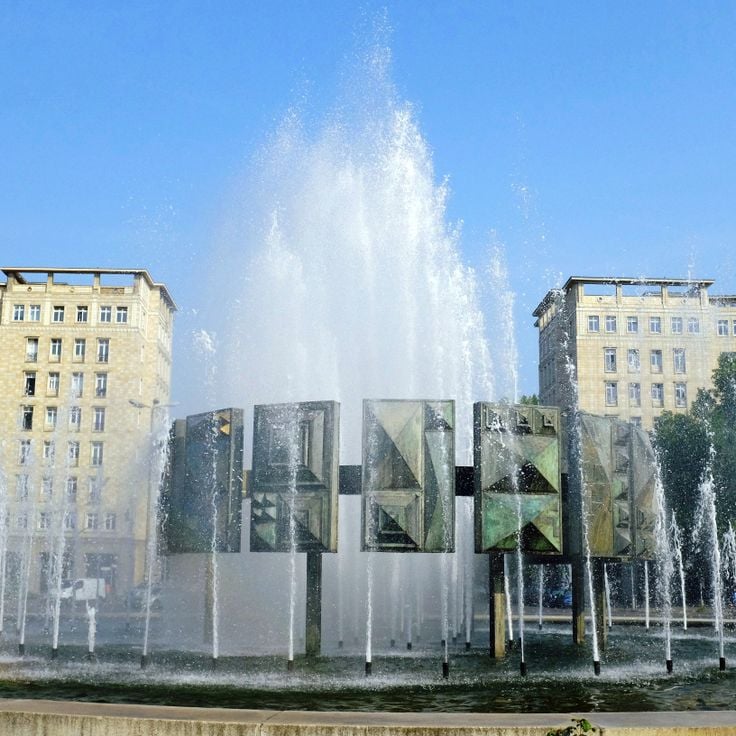
The Fountain of Rings is a modern water sculpture in Berlin that continues the European tradition of fountains with cultural and architectural value. The structure features multiple circular metal elements arranged at different heights. Water flows through these connected rings, creating a dynamic interplay of water and form. The artwork demonstrates how contemporary artists carry forward the classical tradition of fountains while working with new materials and shapes.
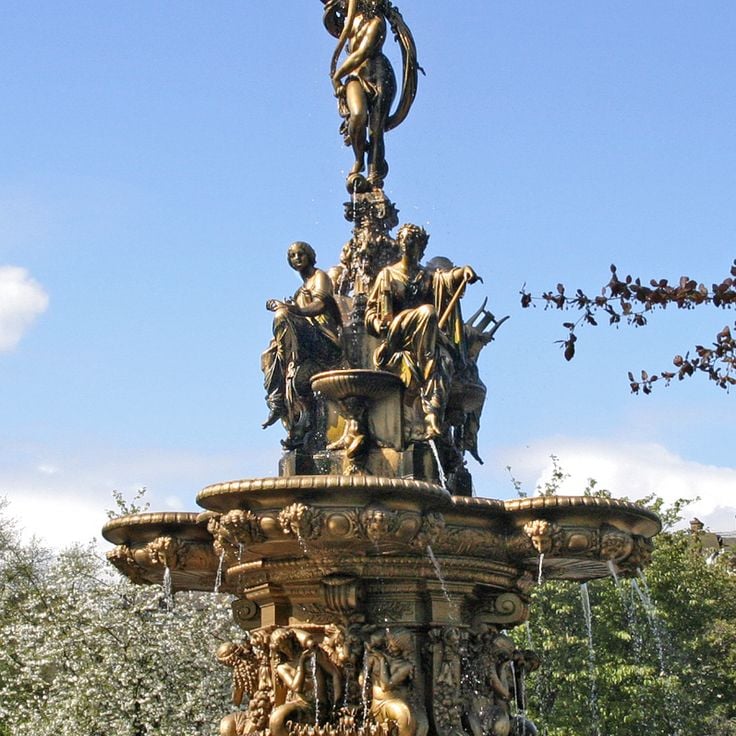
The Ross Fountain is a cast iron fountain in Edinburgh that ranks among Europe's monumental water features. It displays figures representing science, arts, poetry, and industry. The water flows through three stacked basins, combining skilled metalwork with symbolic motifs drawn from history and culture.
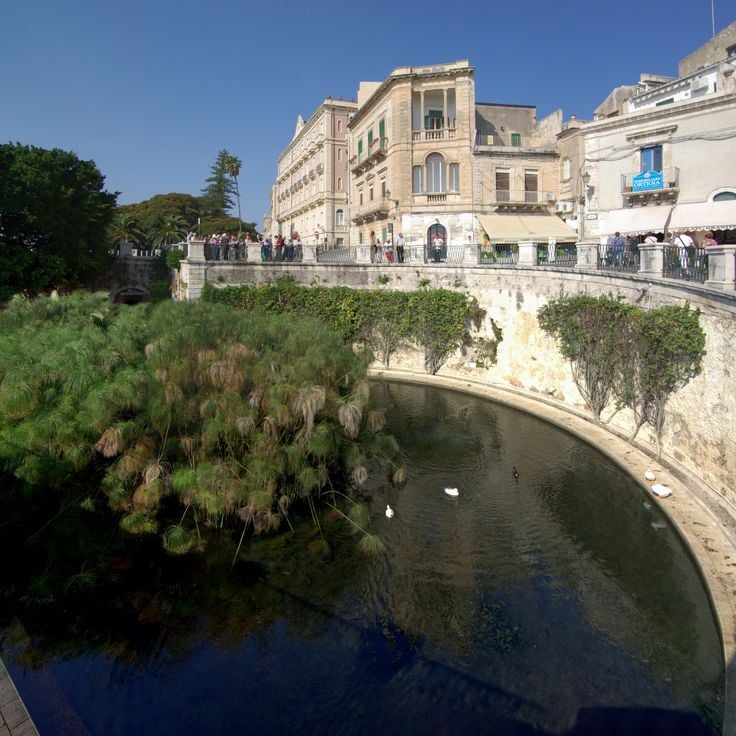
The Fountain of Arethusa is a natural freshwater spring by the Mediterranean Sea that represents part of this collection of historic water fountains in Europe. Papyrus plants grow in the water, and the spring connects with Greek mythology. This place shows how water features have played an important role in European squares, gardens, and palaces since the 16th century.
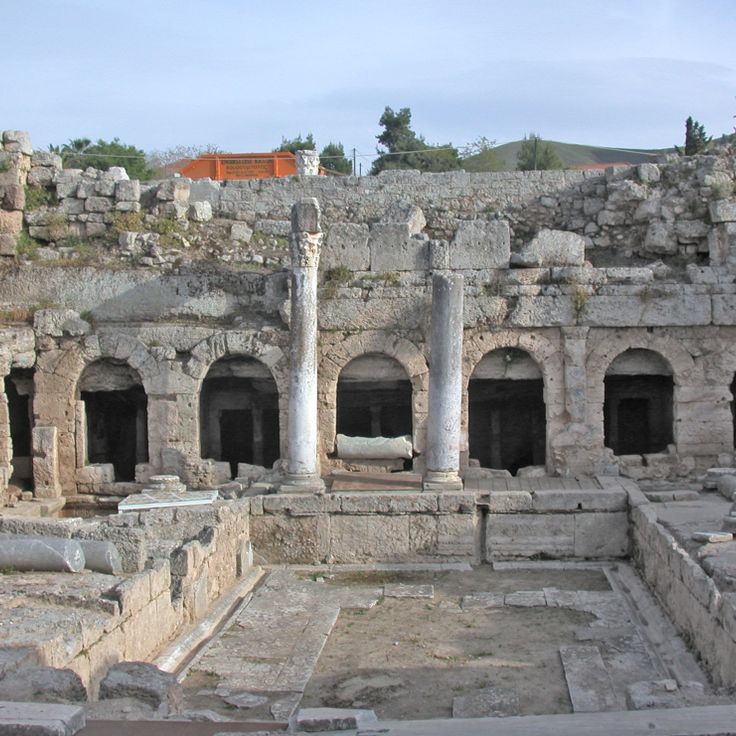
Peirene Fountain is one of Europe's oldest and most significant water features, dating to the 6th century BC. This spring water source displays six basins carved directly into limestone rock. Water emerges naturally from underground springs, making this fountain both a practical water source and an architectural work. It represents how communities across Europe have long valued water as both a necessity and a subject for artistic expression.
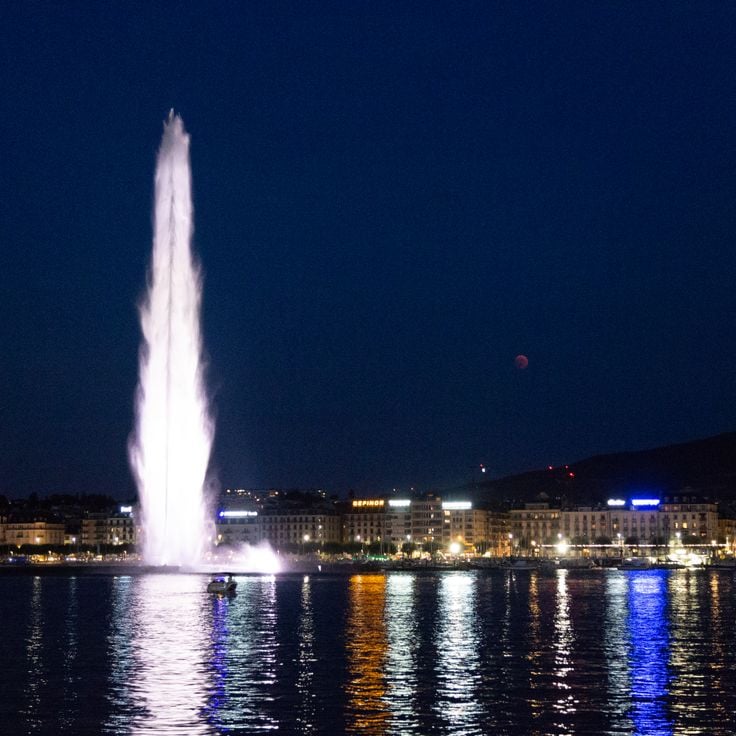
The Jet d'Eau is one of Europe's most striking water fountains and a defining landmark of Geneva. This monumental fountain shoots water skyward daily and glows with light after dark. As part of Europe's long tradition of water features adorning public spaces since the 16th century, the Jet d'Eau demonstrates the technical skill and artistic vision of its era.
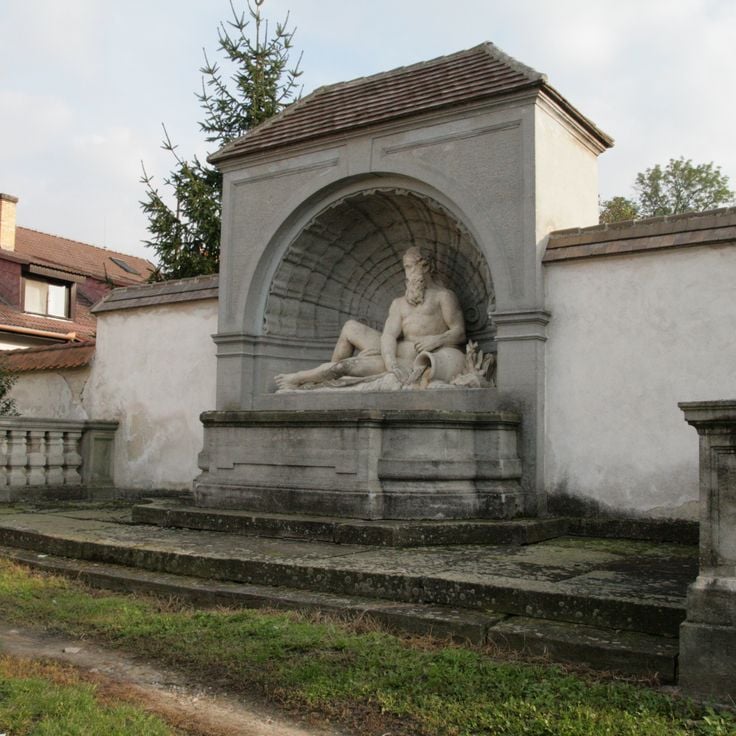
The Neptune Fountain is a baroque water feature in the garden of Schoenbrunn Palace in Vienna. Adorned with statues, it displays the artistry and design of its era. It belongs to the monumental fountains that have graced European squares, gardens, and palaces since the 16th century, showcasing motifs from mythology, religion, and history.
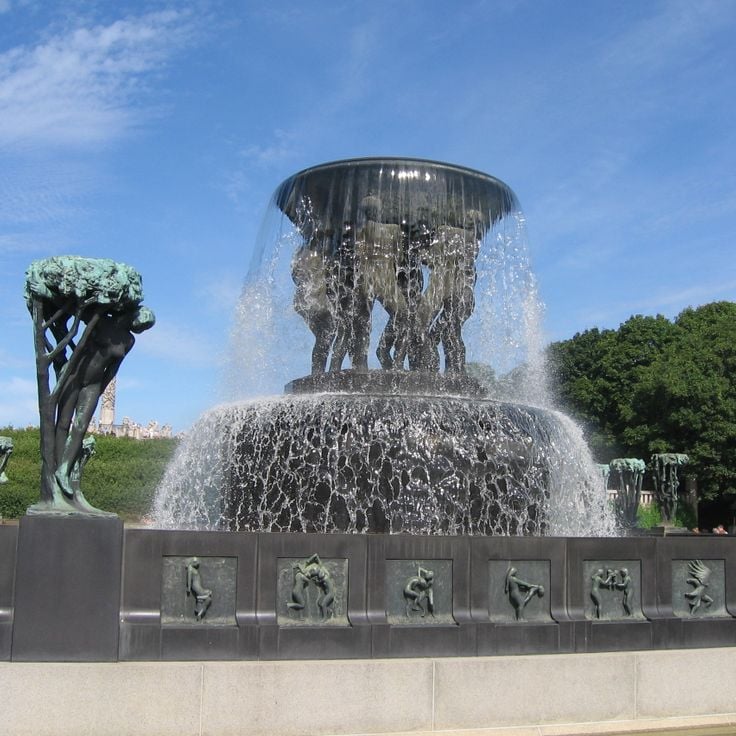
The fountain in Vigeland Park is a monumental water feature that has been part of Oslo's public spaces since the early 20th century. Like other European fountains of this period, it combines architectural craftsmanship with sculptural artistry. The fountain was designed as a central element of the park, reflecting the skilled design and artistic vision of its time. Visitors can experience here how water, sculpture, and public space connect.
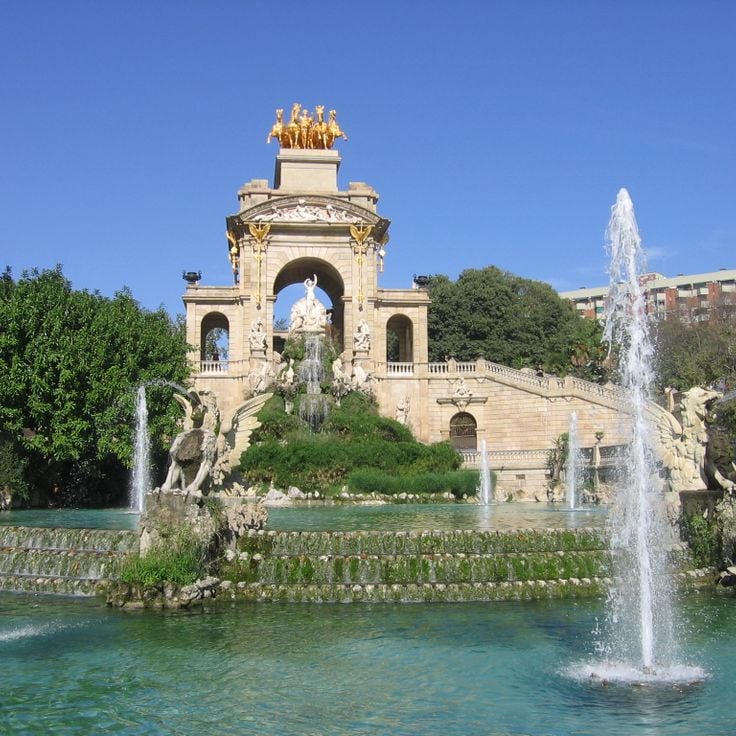
The Cascading Fountain at Ciutadella Park is a 19th century monumental water structure that continues the European tradition of artistically designed fountains. The fountain displays statues of Venus, Neptune and four hippocamps across multiple levels. Through its mythological motifs, this fountain embodies the artistic and architectural qualities that have characterized European squares, gardens and palaces since the 16th century.
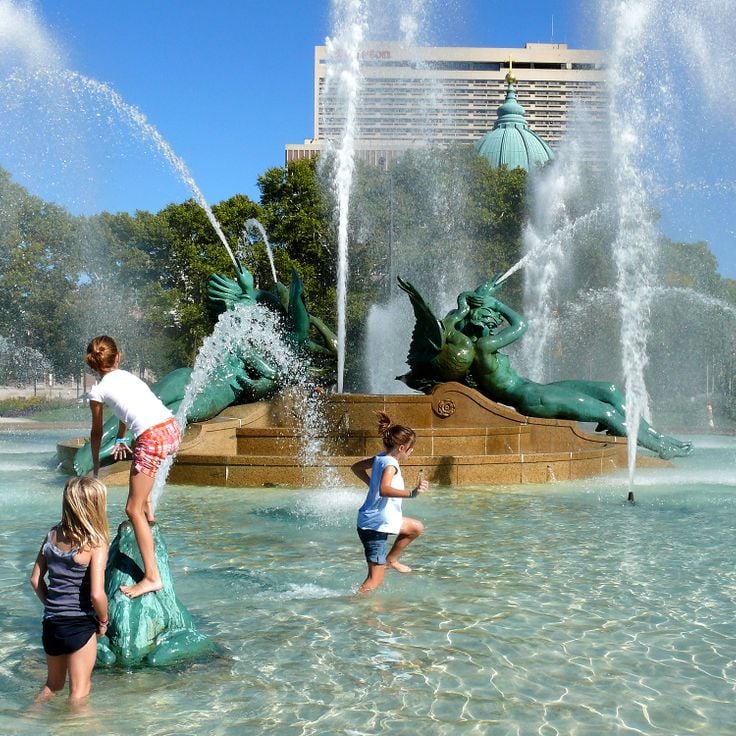
The Swann Memorial Fountain is a circular water feature in Philadelphia that represents the city's three main waterways through human figures: the Delaware River, the Schuylkill River, and the Wissahickon Creek. This fountain is part of a collection of monumental water features with cultural and architectural merit that have adorned European squares, gardens and palaces since the 16th century.
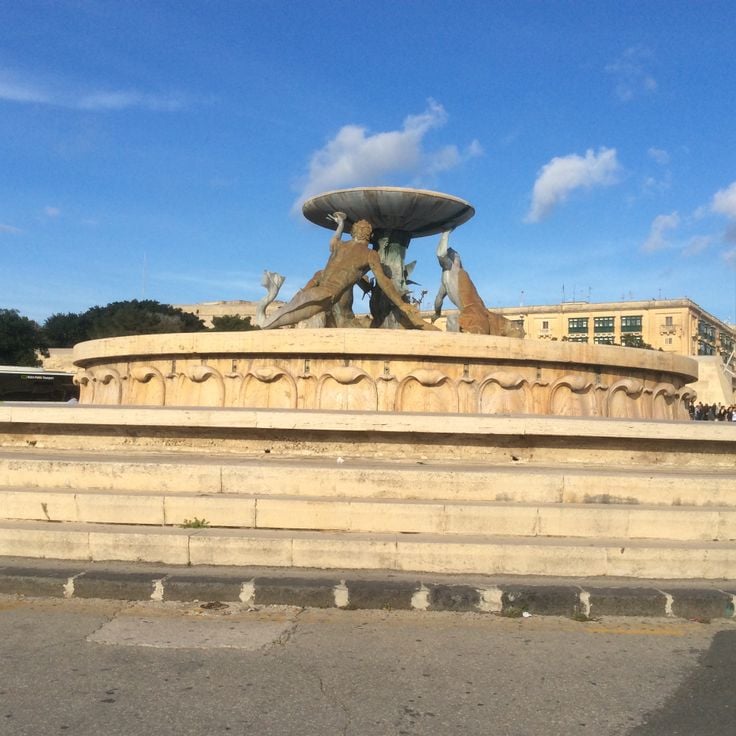
The Triton Fountain is part of a collection of monumental water features that have adorned European squares, gardens, and palaces since the 16th century. This sculpture displays mythological water imagery featuring marine deities. Nymphs control a carriage pulled by seahorses through the water.
The Town Hall Fountain is a stone water fountain with geometric patterns positioned in front of the 19th-century administrative building in Cheltenham. It is part of a collection of monumental water features that have adorned European squares, gardens and palaces since the 16th century, displaying motifs from mythology, religion and history.
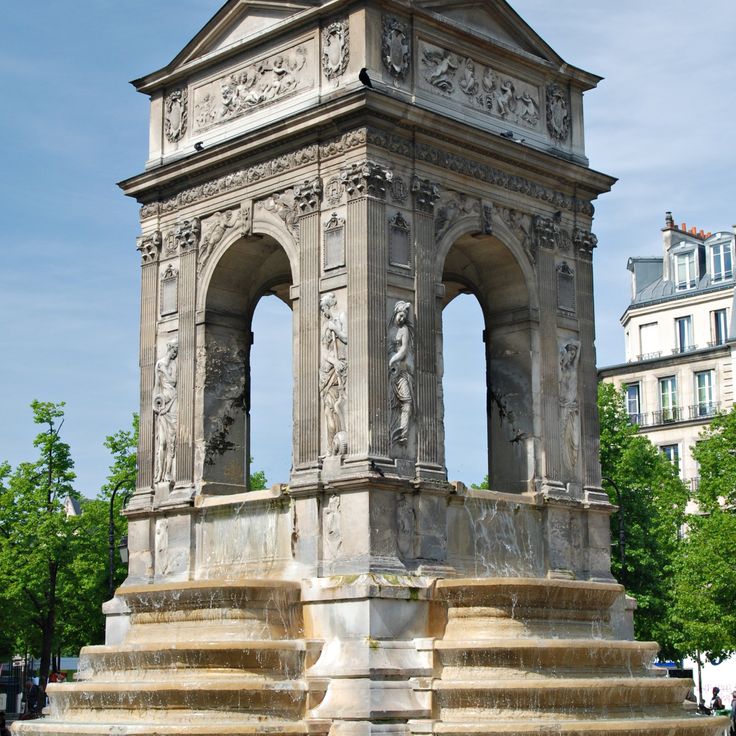
The Fountain of the Innocents is a stone Renaissance fountain in Paris with reliefs by Jean Goujon from 1549. This fountain belongs to a collection of monumental water features that have adorned European squares, gardens and palaces since the 16th century. It displays motifs from mythology, religion and history and was originally built against a church wall.
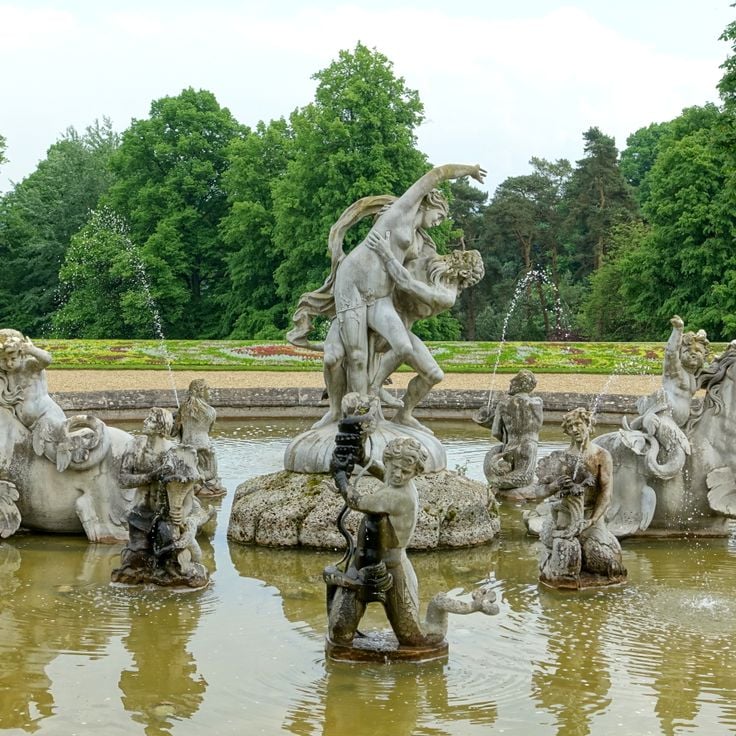
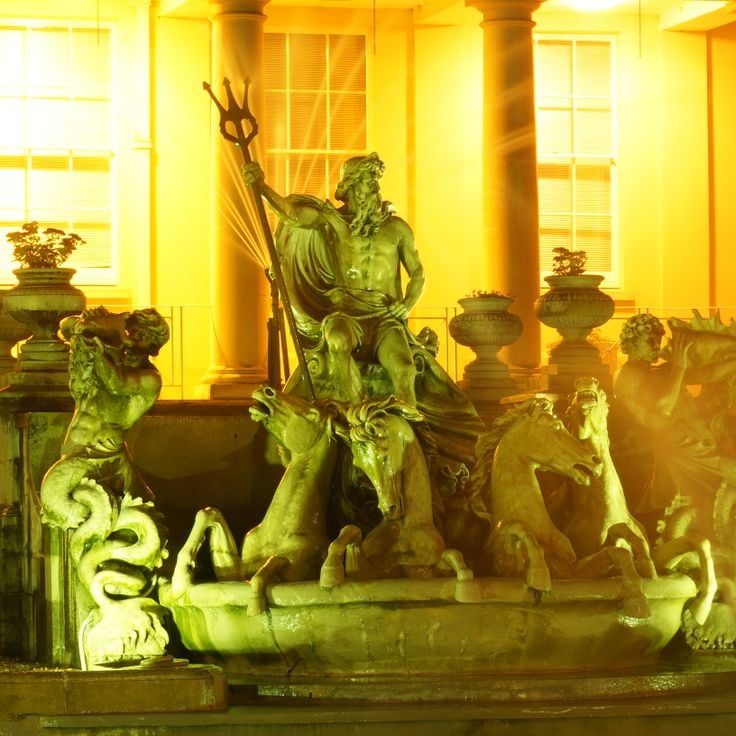
The Pluto Fountain is a Roman water feature in the garden of Waddesdon Manor, a 19th century estate. It depicts the underworld god and is part of the collection of monumental fountains that have adorned European gardens, squares and palaces since the 16th century. The fountain combines mythological subjects with artistic craftsmanship, bringing ancient stories to life through water and sculpture.
The Magic Fountain of Montjuïc is a monumental water feature standing at the foot of Montjuïc mountain in Barcelona since 1929. The fountains in this collection have adorned European squares, gardens, and palaces since the 16th century, displaying architectural and cultural merit. The Magic Fountain of Montjuïc combines water, colored light, and music in a display that draws visitors and brings the public space to life.
This fountain stands in the Széchenyi Thermal Bath, one of Europe's largest thermal bath complexes opened in 1913. The fountain draws from natural healing springs that have supplied the baths for more than a century. It is an integral part of this monumental water feature used daily by thousands of visitors.
Trevi Fountain in Rome is an 18th century Baroque fountain included in the collection of historic water fountains in Europe. The fountain depicts Neptune on a shell chariot pulled by sea horses. This monumental water feature is among the architectural works that have adorned European squares, gardens and palaces since the 16th century, displaying motifs from mythology, religion and history.
King Fahd's Fountain in Jeddah is part of the tradition of monumental water features that have adorned squares, gardens and palaces across Europe since the 16th century. This fountain impresses with its towering water jet and the volume of water it propels into the air each second. The work demonstrates how fountains serve as significant architectural and cultural landmarks in cities around the world.
The Samson Fountain stands at the center of the Peterhof Palace complex as a bronze and marble sculpture. Water sprays from the lion's mouth, reaching a height of 20 meters. This fountain belongs to the monumental water features that have adorned European squares, gardens and palaces since the 16th century, displaying motifs from mythology, religion and history.
The Fountain of Neptune in Florence is a marble fountain topped with a bronze statue of Neptune. The base displays sea deities and horses rendered in bronze. Built between 1560 and 1575, this fountain represents the monumental water features that have adorned European squares and palaces since the 16th century. Its mythological motifs showcase the artistic and architectural skill of the Renaissance period.
The Mirror Fountain at Versailles is a flat water surface with 84 jets that create geometric patterns synchronized to music. Built during the reign of Louis XIV, this fountain represents the monumental water features that have adorned European squares, gardens and palaces since the 16th century, displaying motifs from mythology, religion and history.
The fountains at Place de la Concorde in Paris consist of two water features with figures representing French seas and rivers. Built in 1840 and designed by Jacques Hittorff, these fountains exemplify the monumental water features that have adorned European squares, gardens and palaces since the 16th century, displaying motifs drawn from mythology, religion and history.
The Apollo Fountain in Versailles depicts the sun god Apollo driving his four-horse chariot and exemplifies the monumental water features that have graced European squares, gardens, and palaces since the 16th century. This water feature spans three terraces in the gardens, blending mythology with architectural skill.
The Fountain of Rings is a modern water sculpture in Berlin that continues the European tradition of fountains with cultural and architectural value. The structure features multiple circular metal elements arranged at different heights. Water flows through these connected rings, creating a dynamic interplay of water and form. The artwork demonstrates how contemporary artists carry forward the classical tradition of fountains while working with new materials and shapes.
The Ross Fountain is a cast iron fountain in Edinburgh that ranks among Europe's monumental water features. It displays figures representing science, arts, poetry, and industry. The water flows through three stacked basins, combining skilled metalwork with symbolic motifs drawn from history and culture.
The Fountain of Arethusa is a natural freshwater spring by the Mediterranean Sea that represents part of this collection of historic water fountains in Europe. Papyrus plants grow in the water, and the spring connects with Greek mythology. This place shows how water features have played an important role in European squares, gardens, and palaces since the 16th century.
Peirene Fountain is one of Europe's oldest and most significant water features, dating to the 6th century BC. This spring water source displays six basins carved directly into limestone rock. Water emerges naturally from underground springs, making this fountain both a practical water source and an architectural work. It represents how communities across Europe have long valued water as both a necessity and a subject for artistic expression.
The Jet d'Eau is one of Europe's most striking water fountains and a defining landmark of Geneva. This monumental fountain shoots water skyward daily and glows with light after dark. As part of Europe's long tradition of water features adorning public spaces since the 16th century, the Jet d'Eau demonstrates the technical skill and artistic vision of its era.
The Neptune Fountain is a baroque water feature in the garden of Schoenbrunn Palace in Vienna. Adorned with statues, it displays the artistry and design of its era. It belongs to the monumental fountains that have graced European squares, gardens, and palaces since the 16th century, showcasing motifs from mythology, religion, and history.
The fountain in Vigeland Park is a monumental water feature that has been part of Oslo's public spaces since the early 20th century. Like other European fountains of this period, it combines architectural craftsmanship with sculptural artistry. The fountain was designed as a central element of the park, reflecting the skilled design and artistic vision of its time. Visitors can experience here how water, sculpture, and public space connect.
The Cascading Fountain at Ciutadella Park is a 19th century monumental water structure that continues the European tradition of artistically designed fountains. The fountain displays statues of Venus, Neptune and four hippocamps across multiple levels. Through its mythological motifs, this fountain embodies the artistic and architectural qualities that have characterized European squares, gardens and palaces since the 16th century.
The Swann Memorial Fountain is a circular water feature in Philadelphia that represents the city's three main waterways through human figures: the Delaware River, the Schuylkill River, and the Wissahickon Creek. This fountain is part of a collection of monumental water features with cultural and architectural merit that have adorned European squares, gardens and palaces since the 16th century.
The Triton Fountain is part of a collection of monumental water features that have adorned European squares, gardens, and palaces since the 16th century. This sculpture displays mythological water imagery featuring marine deities. Nymphs control a carriage pulled by seahorses through the water.
The Town Hall Fountain is a stone water fountain with geometric patterns positioned in front of the 19th-century administrative building in Cheltenham. It is part of a collection of monumental water features that have adorned European squares, gardens and palaces since the 16th century, displaying motifs from mythology, religion and history.
The Fountain of the Innocents is a stone Renaissance fountain in Paris with reliefs by Jean Goujon from 1549. This fountain belongs to a collection of monumental water features that have adorned European squares, gardens and palaces since the 16th century. It displays motifs from mythology, religion and history and was originally built against a church wall.
The Pluto Fountain is a Roman water feature in the garden of Waddesdon Manor, a 19th century estate. It depicts the underworld god and is part of the collection of monumental fountains that have adorned European gardens, squares and palaces since the 16th century. The fountain combines mythological subjects with artistic craftsmanship, bringing ancient stories to life through water and sculpture.
The Magic Fountain of Montjuïc is a monumental water feature standing at the foot of Montjuïc mountain in Barcelona since 1929. The fountains in this collection have adorned European squares, gardens, and palaces since the 16th century, displaying architectural and cultural merit. The Magic Fountain of Montjuïc combines water, colored light, and music in a display that draws visitors and brings the public space to life.
This fountain stands in the Széchenyi Thermal Bath, one of Europe's largest thermal bath complexes opened in 1913. The fountain draws from natural healing springs that have supplied the baths for more than a century. It is an integral part of this monumental water feature used daily by thousands of visitors.
Trevi Fountain in Rome is an 18th century Baroque fountain included in the collection of historic water fountains in Europe. The fountain depicts Neptune on a shell chariot pulled by sea horses. This monumental water feature is among the architectural works that have adorned European squares, gardens and palaces since the 16th century, displaying motifs from mythology, religion and history.
King Fahd's Fountain in Jeddah is part of the tradition of monumental water features that have adorned squares, gardens and palaces across Europe since the 16th century. This fountain impresses with its towering water jet and the volume of water it propels into the air each second. The work demonstrates how fountains serve as significant architectural and cultural landmarks in cities around the world.
The Samson Fountain stands at the center of the Peterhof Palace complex as a bronze and marble sculpture. Water sprays from the lion's mouth, reaching a height of 20 meters. This fountain belongs to the monumental water features that have adorned European squares, gardens and palaces since the 16th century, displaying motifs from mythology, religion and history.
The Fountain of Neptune in Florence is a marble fountain topped with a bronze statue of Neptune. The base displays sea deities and horses rendered in bronze. Built between 1560 and 1575, this fountain represents the monumental water features that have adorned European squares and palaces since the 16th century. Its mythological motifs showcase the artistic and architectural skill of the Renaissance period.
The Mirror Fountain at Versailles is a flat water surface with 84 jets that create geometric patterns synchronized to music. Built during the reign of Louis XIV, this fountain represents the monumental water features that have adorned European squares, gardens and palaces since the 16th century, displaying motifs from mythology, religion and history.
The fountains at Place de la Concorde in Paris consist of two water features with figures representing French seas and rivers. Built in 1840 and designed by Jacques Hittorff, these fountains exemplify the monumental water features that have adorned European squares, gardens and palaces since the 16th century, displaying motifs drawn from mythology, religion and history.
The Apollo Fountain in Versailles depicts the sun god Apollo driving his four-horse chariot and exemplifies the monumental water features that have graced European squares, gardens, and palaces since the 16th century. This water feature spans three terraces in the gardens, blending mythology with architectural skill.
The Fountain of Rings is a modern water sculpture in Berlin that continues the European tradition of fountains with cultural and architectural value. The structure features multiple circular metal elements arranged at different heights. Water flows through these connected rings, creating a dynamic interplay of water and form. The artwork demonstrates how contemporary artists carry forward the classical tradition of fountains while working with new materials and shapes.
The Ross Fountain is a cast iron fountain in Edinburgh that ranks among Europe's monumental water features. It displays figures representing science, arts, poetry, and industry. The water flows through three stacked basins, combining skilled metalwork with symbolic motifs drawn from history and culture.
The Fountain of Arethusa is a natural freshwater spring by the Mediterranean Sea that represents part of this collection of historic water fountains in Europe. Papyrus plants grow in the water, and the spring connects with Greek mythology. This place shows how water features have played an important role in European squares, gardens, and palaces since the 16th century.
Peirene Fountain is one of Europe's oldest and most significant water features, dating to the 6th century BC. This spring water source displays six basins carved directly into limestone rock. Water emerges naturally from underground springs, making this fountain both a practical water source and an architectural work. It represents how communities across Europe have long valued water as both a necessity and a subject for artistic expression.
The Jet d'Eau is one of Europe's most striking water fountains and a defining landmark of Geneva. This monumental fountain shoots water skyward daily and glows with light after dark. As part of Europe's long tradition of water features adorning public spaces since the 16th century, the Jet d'Eau demonstrates the technical skill and artistic vision of its era.
The Neptune Fountain is a baroque water feature in the garden of Schoenbrunn Palace in Vienna. Adorned with statues, it displays the artistry and design of its era. It belongs to the monumental fountains that have graced European squares, gardens, and palaces since the 16th century, showcasing motifs from mythology, religion, and history.
The fountain in Vigeland Park is a monumental water feature that has been part of Oslo's public spaces since the early 20th century. Like other European fountains of this period, it combines architectural craftsmanship with sculptural artistry. The fountain was designed as a central element of the park, reflecting the skilled design and artistic vision of its time. Visitors can experience here how water, sculpture, and public space connect.
The Cascading Fountain at Ciutadella Park is a 19th century monumental water structure that continues the European tradition of artistically designed fountains. The fountain displays statues of Venus, Neptune and four hippocamps across multiple levels. Through its mythological motifs, this fountain embodies the artistic and architectural qualities that have characterized European squares, gardens and palaces since the 16th century.
The Swann Memorial Fountain is a circular water feature in Philadelphia that represents the city's three main waterways through human figures: the Delaware River, the Schuylkill River, and the Wissahickon Creek. This fountain is part of a collection of monumental water features with cultural and architectural merit that have adorned European squares, gardens and palaces since the 16th century.
The Triton Fountain is part of a collection of monumental water features that have adorned European squares, gardens, and palaces since the 16th century. This sculpture displays mythological water imagery featuring marine deities. Nymphs control a carriage pulled by seahorses through the water.
The Town Hall Fountain is a stone water fountain with geometric patterns positioned in front of the 19th-century administrative building in Cheltenham. It is part of a collection of monumental water features that have adorned European squares, gardens and palaces since the 16th century, displaying motifs from mythology, religion and history.
The Fountain of the Innocents is a stone Renaissance fountain in Paris with reliefs by Jean Goujon from 1549. This fountain belongs to a collection of monumental water features that have adorned European squares, gardens and palaces since the 16th century. It displays motifs from mythology, religion and history and was originally built against a church wall.
The Pluto Fountain is a Roman water feature in the garden of Waddesdon Manor, a 19th century estate. It depicts the underworld god and is part of the collection of monumental fountains that have adorned European gardens, squares and palaces since the 16th century. The fountain combines mythological subjects with artistic craftsmanship, bringing ancient stories to life through water and sculpture.