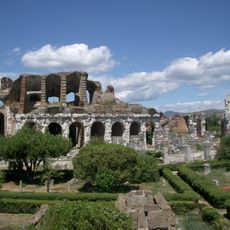
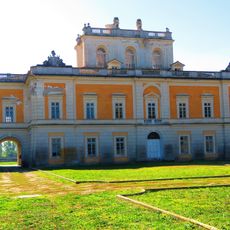
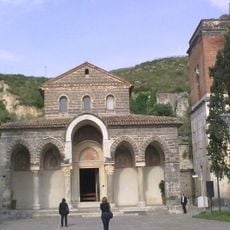
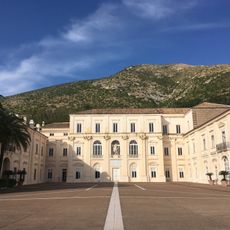
Campanian Provincial Museum of Capua, Archaeological museum in Capua, Italy.
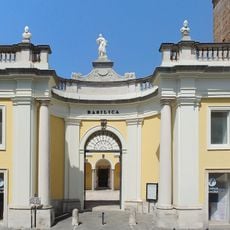
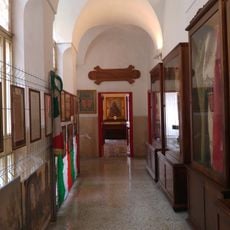
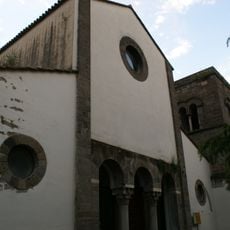
The Campanian Provincial Museum of Capua occupies a Renaissance-era Palazzo Antignano with multiple rooms displaying archaeological finds, sculptures, and art objects from different periods. The collection spans thousands of years of local civilizations with materials from ancient cultures through more recent times.
The museum was founded in 1869 and has been collecting artworks and finds from the long history of the region ever since. During the 20th century it suffered damage, was later restored, and eventually opened to visitors again.
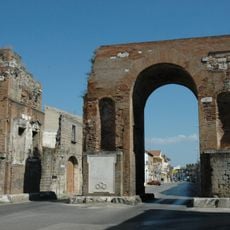
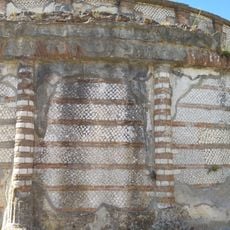
The Matres Matutae, popularly called the Mothers of Capua, are seated tufa figures offered for fertility and the protection of mothers and children; the first were found by chance in 1845 during farm work at Petrara, near Curti, with an altar bearing Oscan inscriptions. The museum also keeps the remains of the repeatedly demolished Porta di Capua and a picture gallery strong in works by Francesco Liani.
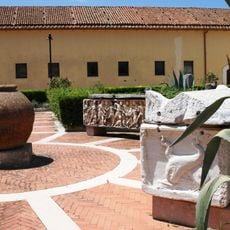
The museum occupies Palazzo Antignano in the historic centre, with 32 rooms arranged around two courtyards and a garden; the archaeological and medieval sections follow one another, so allow time to cross both. The building was enlarged to take in the former monastery of the Concezione. It is closed on Mondays.
The lapidary hall is named after Theodor Mommsen, who catalogued the inscriptions of the Campania Felix in the tenth volume of the Corpus Inscriptionum Latinarum. In the second courtyard stands the dedicatory inscription of the colony Julia Felix to Hadrian, found in 1726, with the integration proposed by Alessio Simmaco Mazzocchi in 1727.
The community of curious travelers
AroundUs brings together thousands of curated places, local tips, and hidden gems, enriched daily by 94,394 contributors worldwide.