Regional Museum of Pottery, Ceramics museum in Deruta, Italy
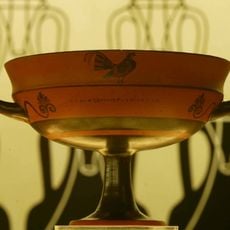
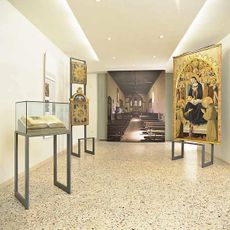
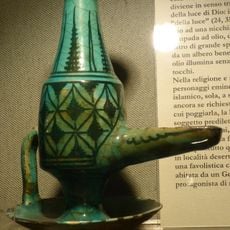
The Regional Museum of Pottery displays ceramic works spanning multiple centuries with focus on the handcraft techniques of Umbria. The collection includes vessels, decorative pieces, and functional items that show how potters passed their skills across generations.
The museum was founded in 1898 by the Deruta notary Francesco Briganti as an "artistic museum for maiolica workers". Its first catalogue, compiled by Angelo Micheletti in 1900, already stated that it was meant both to conserve ceramics and to serve as a model for local craftsmen. The original collection of about 180 works was shown in the town hall; in 1962 over 4,000 pieces from the CIMA and Società Maioliche Deruta factory sample archives were added.
The museum's name appears in the 1900 catalogue by Angelo Micheletti, its first curator, and the collection grew mainly through donations and deposits, making it an evergetic museum from the start. The lustre technique, of Arab origin, spread in Italy from the late 15th century; the earliest surviving piece is a 1501 relief plaque with Saint Sebastian, now in the Victoria and Albert Museum.
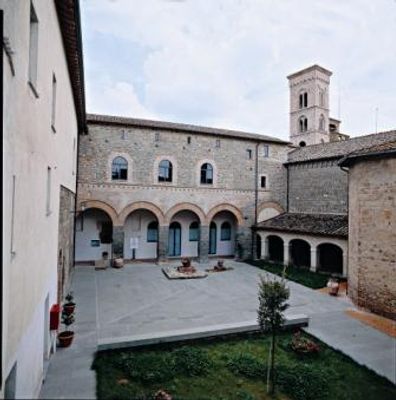
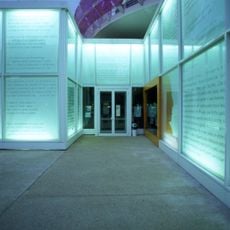
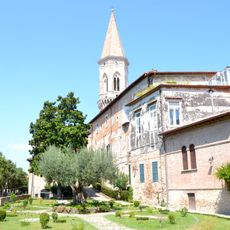
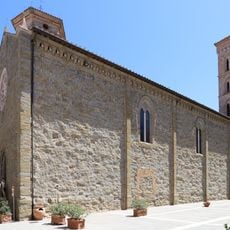
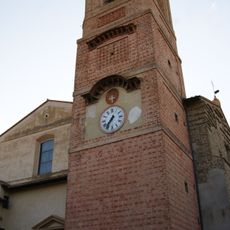
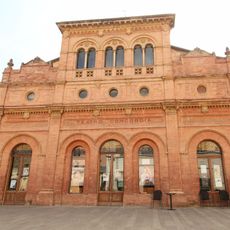
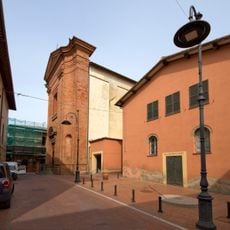
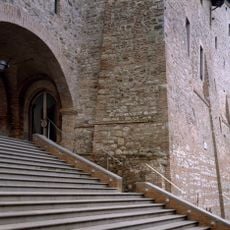
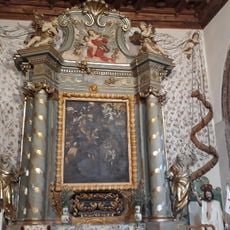
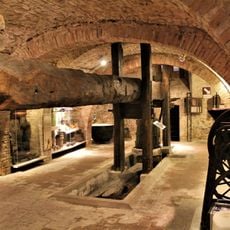
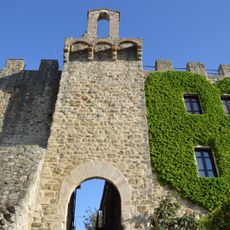
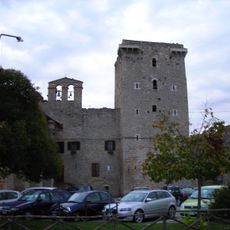
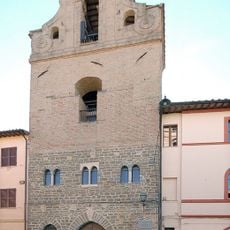
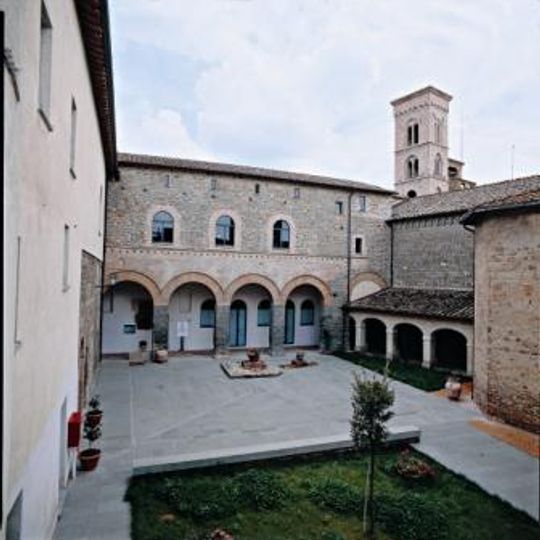
The museum occupies the former San Francesco convent facing Deruta's town hall, with the visit spread over four exhibition levels, storage rooms included, across 2,600 m². The entrance is reached from the historic centre; the route begins with the teaching room on ceramic working techniques. Allow time for the climb between floors.
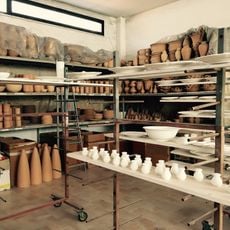
The museum displays the tools and materials that show the complete pottery-making process from raw clay to finished ceramic. Visitors can follow how craftspeople carried out each step from clay preparation to final glazing.
The community of curious travelers
AroundUs brings together thousands of curated places, local tips, and hidden gems, enriched daily by 92,777 contributors worldwide.