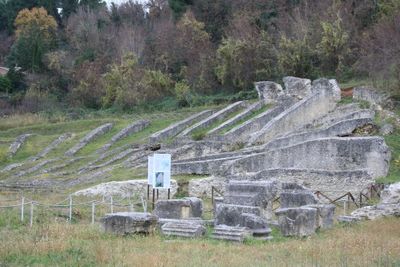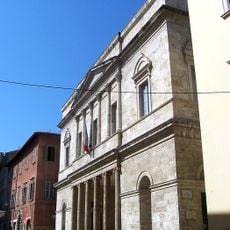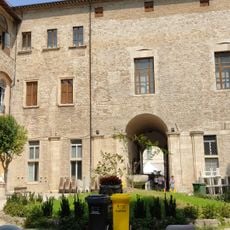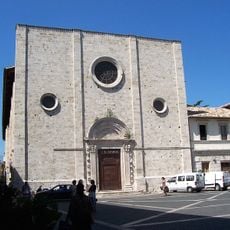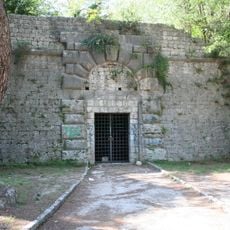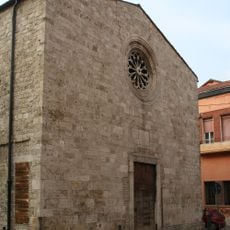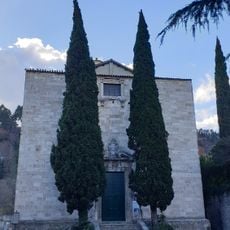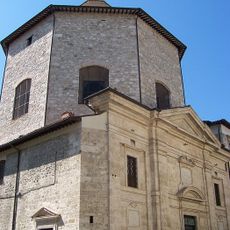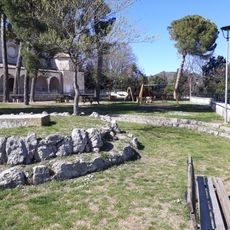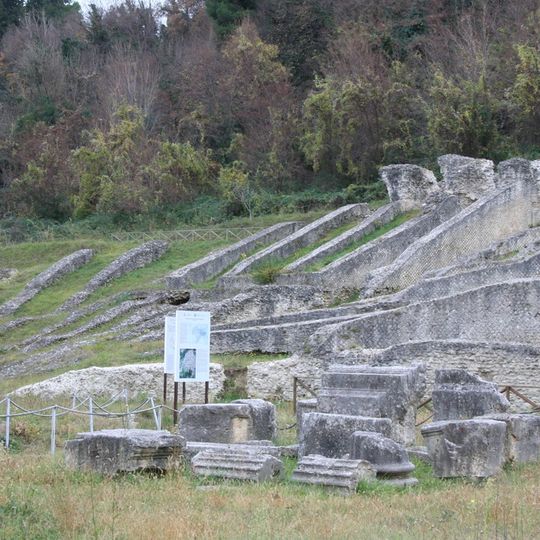
Roman Theatre of Ascoli Piceno, Roman theatre from ancient times in Ascoli Piceno, Italy.
The Roman Theatre of Ascoli Piceno is an ancient site positioned at the base of Annunziata Hill with remains of a semicircular seating area for audiences. The structure includes an exedra built using opus reticulatum masonry, a specific Roman building technique that demonstrates the engineering skill of the time.
The theatre dates to the 1st century BC and is linked by tradition to consul Gnaeus Pompeius Strabo, a wealthy Roman from the Picenum region. It was enlarged in the 1st and 2nd centuries AD. Tradition holds that the Ascoli revolt of 91 BC, in which townspeople demanded Roman citizenship, began in this theatre. After 578, Lombard raids ended its use and its stones were quarried for medieval buildings and lime kilns.
The theatre's later life is visible in the town itself: after the Lombard raids of 578 it fell out of use, and Ascoli's inhabitants took its travertine blocks for medieval buildings and for lime kilns found nearby. Since July 2010 it has again hosted summer performances, some within the Marche circuit Teatri Antichi Uniti (TAU).
The site is accessible to visitors, though it is wise to check current conditions and any requirements before planning a visit. The terrain sits at the base of a slope, so sturdy footwear is recommended since the ground can be uneven or damp depending on recent weather.
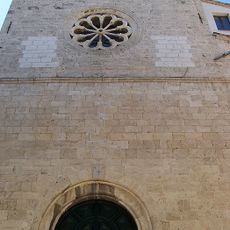
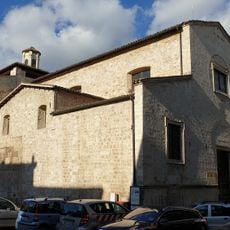
The theatre's stage building lies mostly beneath the church of Santa Croce, so the visible semicircle is only part of the ancient structure. The cavea shows 32 radial walls with a maximum diameter of 95 metres, built in opus quasi reticulatum with travertine blocks.
The community of curious travelers
AroundUs brings together thousands of curated places, local tips, and hidden gems, enriched daily by 92,788 contributors worldwide.