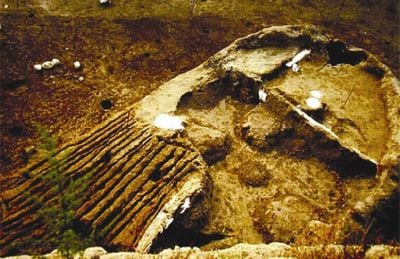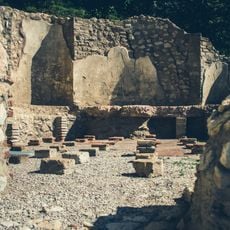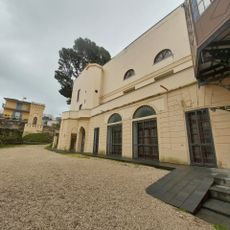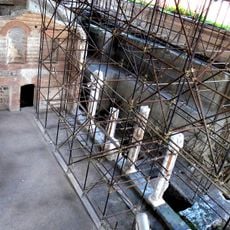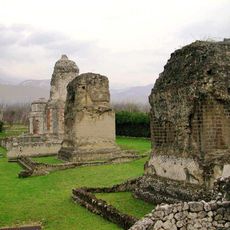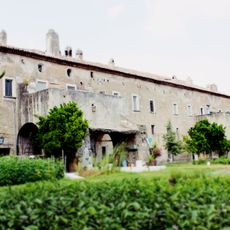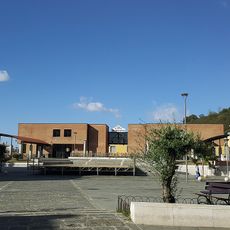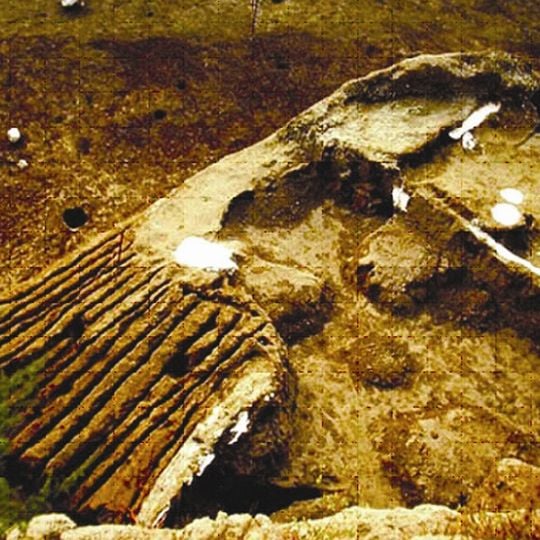
Nola-Croce del Papa, Archaeological site in Nola, Italy.
Nola-Croce del Papa is an archaeological excavation site where three Bronze Age buildings have been carefully exposed beneath layers of volcanic material from Mount Vesuvius. The dig reveals the complete layout of a prehistoric settlement, with residential areas, storage spaces, and other structures showing how people arranged their living quarters thousands of years ago.
A volcanic eruption around 1750 BCE suddenly buried the settlement under ash, and residents fled before everything was preserved in place. This rapid burial sealed the community in time, making it one of the oldest known preserved Bronze Age villages in the region.
The preserved buildings show how Bronze Age families organized their homes and daily routines in this settlement. Visitors can observe where food was stored, how animals were kept, and what objects people used in their everyday lives.
The site is accessible during excavation season, but sturdy shoes are essential due to uneven surfaces and steps within the dig areas. Visitors should bring sun protection or seek shaded areas, as most of the site offers limited shelter from sun exposure.
The volcanic mudflow created perfect molds of organic materials that normally decompose, including food remains and wooden furniture from the Bronze Age. These molds allow researchers to study even the types of meals people ate and the quality of their craftsmanship.
The community of curious travelers
AroundUs brings together thousands of curated places, local tips, and hidden gems, enriched daily by 91,819 contributors worldwide.