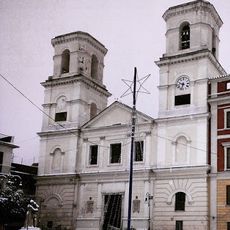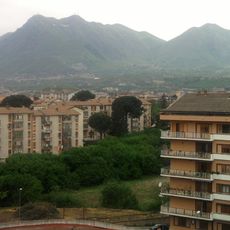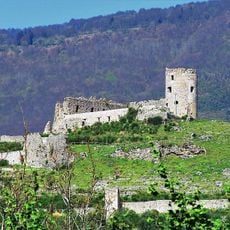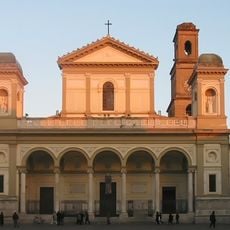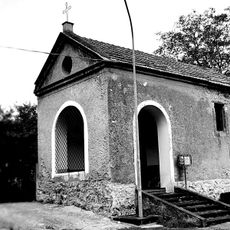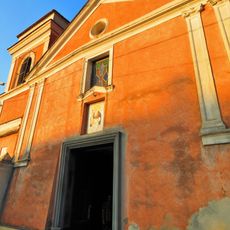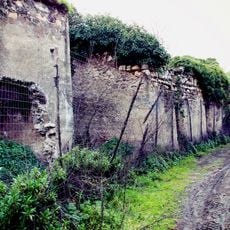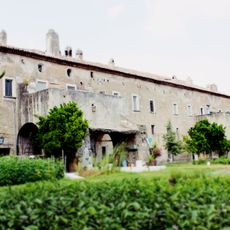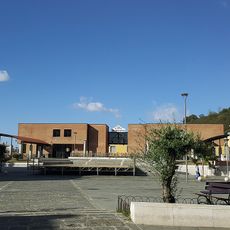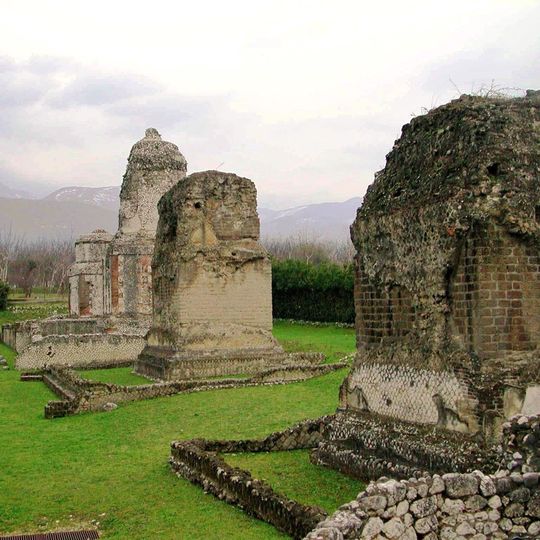
Abella, Archaeological site in Avella, Italy
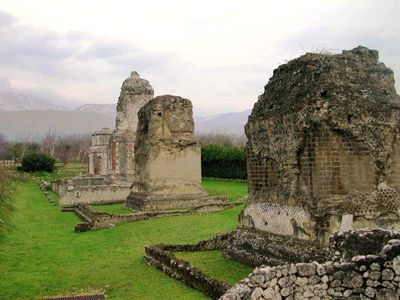
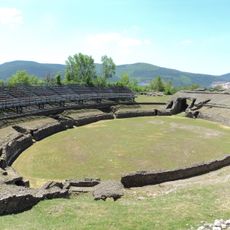
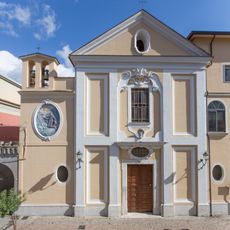
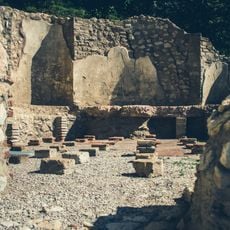
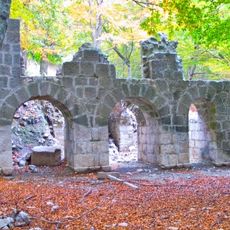
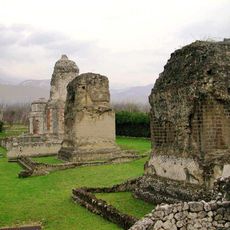
Abella is an ancient city near Avella in Campania that displays both Roman and earlier Samnite structures. The site contains a large amphitheater built from tuff stone, residential areas, city gates, and walls that spread across elevated portions of the surrounding plain.
The city developed as a Samnite center and became a Roman colony following the Social War in the 1st century BCE. An inscription called the Cippus Abellanus documents a land agreement between this place and the nearby city of Nola regarding a temple to Hercules.
The name Abella comes from the Etruscan word for apple, reflecting the region's agricultural importance in ancient times. Walking through the site, you can sense how the location served as a farming and trading center for the communities who lived there.
Access to the site comes through elevated pathways that help you understand the layout of buildings and the surrounding landscape. It is wise to wear comfortable shoes and allow enough time to explore the different areas at a relaxed pace.
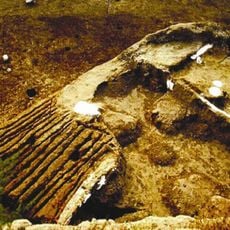
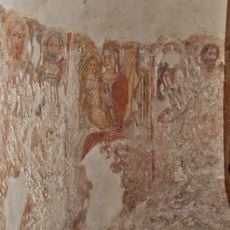
Excavations have uncovered tombs containing imported vessels and locally made ceramics that reveal trade connections reaching across the Mediterranean and beyond. These findings show that the city maintained active commercial networks despite its inland location.
The community of curious travelers
AroundUs brings together thousands of curated places, local tips, and hidden gems, enriched daily by 91,880 contributors worldwide.