Catacomba di Santa Savinilla, Archaeological site in Italy
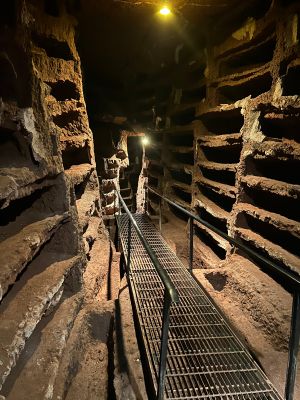
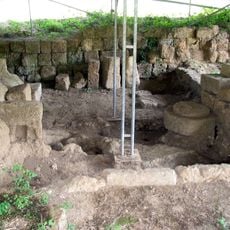
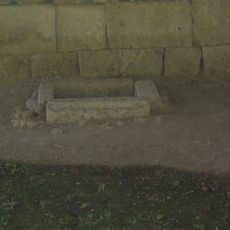
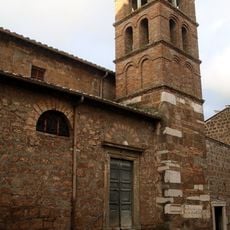
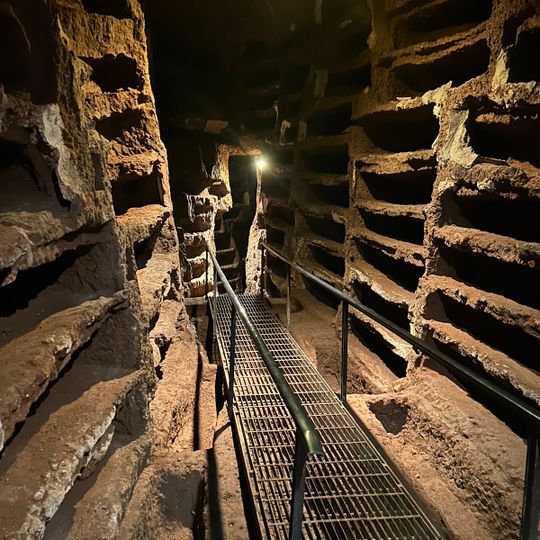
The Catacomba di Santa Savinilla is a late-imperial burial complex near Nepi's cemetery, entered through two small doors flanking the altar of the church of San Tolomeo alle Sante Grotte. Its galleries are cut into resistant local tufa, with three main corridors and many branches; the walls hold arcosoli, loculi, bench tombs and floor formae. In the gallery called A1, an arcosolium vault is painted with a 13th-century fresco of Christ between two angels, with the Apostles James and John the Greater on the other side.
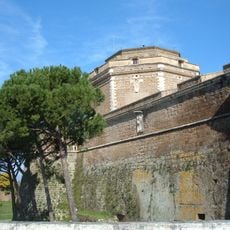
The catacombs were dug as a burial ground in late imperial times, between the 4th and 5th centuries, into the local lithoid tuff. In 1540, while Duke Pier Luigi Farnese was building new city fortifications, the bodies of martyrs were found incorrupt and still bleeding; Pope Paul III recognized the event as miraculous with the bull "Salvatoris" on 4 January 1542 and visited the site in person. A church designed by Antonio da Sangallo the Younger was then begun to hold the relics.
The name Santa Savinilla comes from a legend about a woman who collected the bodies of martyrs for burial. The catacombs served the early Christian community as a place for both burial and prayer, where people gathered to remember the dead and express their faith through simple inscriptions and religious symbols left on the walls.
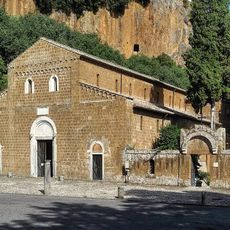
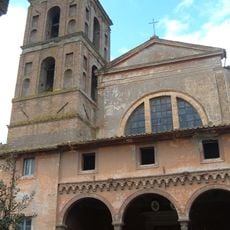
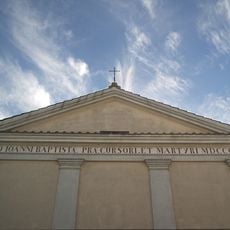
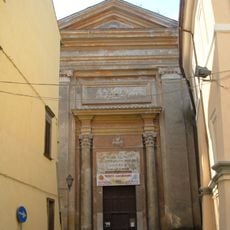
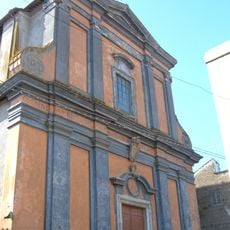
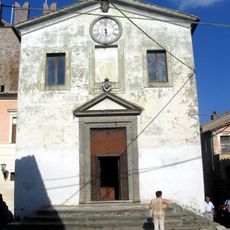
The catacombs are entered through two small doors flanking the altar of the church of San Tolomeo alle Sante Grotte, rebuilt in the 17th century near the town cemetery. The church interior was reworked in the early 19th century under Bishop Giuseppe Bernardo Dobbing. The galleries are cut into resistant lithoid tuff, so surfaces can be damp; the low iron gate separates the presbytery from the nave.
In 1540 Duke Pier Luigi Farnese ordered the demolition of buildings too close to the new town fortifications; during this work the bodies of the martyrs were found, still uncorrupted and with bleeding wounds. Pope Paul III formally recognised the miracle with the bull "Salvatoris" on 4 January 1542 and visited the site in person. A new church, San Tolomeo, was then planned by Antonio da Sangallo the Younger to hold the relics.
The community of curious travelers
AroundUs brings together thousands of curated places, local tips, and hidden gems, enriched daily by 93,647 contributors worldwide.