Velleia, archaeological site in Lugagnano Val d'Arda, Italy
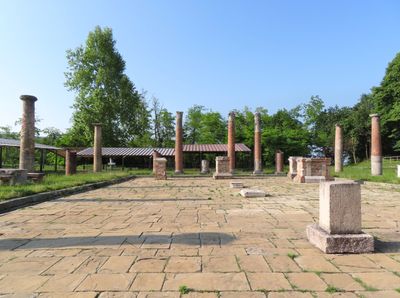
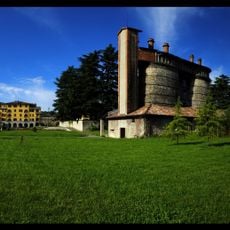
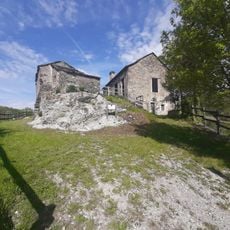
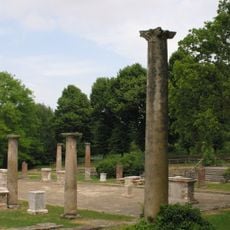
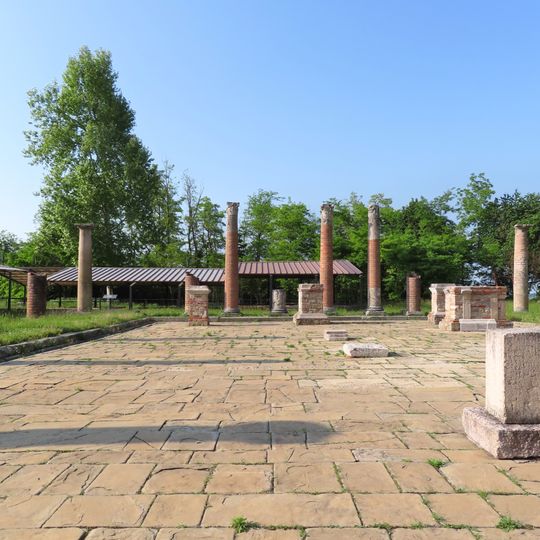
Veleia is a Roman city in the Emilia-Romagna region with ruins spread across several terraces on a hillside. The remains include a large forum with a paved square, a basilica with stone benches, public baths containing hot and cold water rooms, residential houses, and temple foundations visible across the sloped landscape.
Veleia was founded around 150 BC under Roman rule and flourished especially under Emperor Augustus, when many public buildings were constructed. The city was part of a network of trading towns in the region and gradually declined after the fall of the Western Roman Empire.
The name Veleia comes from the Veleiates, a Celtic tribe that inhabited the area before Roman expansion. The remains show how the Romans transformed an existing settlement into a city with a forum, basilica, and public baths that served as gathering places for the community.
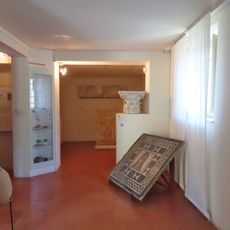
The archaeological site is accessible to visitors with different needs and features paths for wheelchair users and informational signs throughout. A small museum next to the site displays finds such as statues, pottery, and inscriptions to help visitors understand the history.
Under Emperor Augustus, twelve statues of emperors and their family members were displayed in the basilica, now preserved in the Parma Museum. A mysterious oval-shaped structure on the site may have been an amphitheater or water tank, remaining an unsolved puzzle for archaeologists today.
The community of curious travelers
AroundUs brings together thousands of curated places, local tips, and hidden gems, enriched daily by 91,426 contributors worldwide.