Mausoleo imperiale di San Vittore al Corpo, Roman mausoleum in Milan, Italy
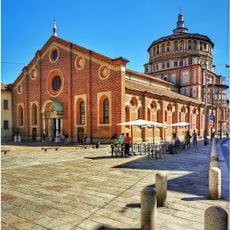
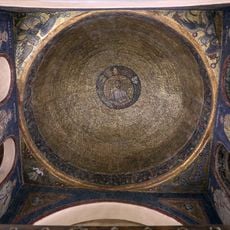
The Imperial Mausoleum of San Vittore al Corpo was a circular funeral monument built around the end of the 4th century outside the Roman walls of Mediolanum, near the Roman Porta Vercellina. It stood within a fortified sub-octagonal enclosure measuring 132 by 100 metres internally, with 42–44 metre long sides and semicircular towers at the corners. The mausoleum was demolished in the 16th century; today a quarter of it is visible in the basement of the church of San Vittore al Corpo at via Olivetani 3.
The mausoleum was built in the 4th century when the western part of the Roman Empire was at its peak, and Milan served as an important capital. It likely held the tombs of the imperial family that ruled the region at that time.
The name \"al Corpo\" comes from the early Christian cemetery ad martyres on this site, where martyrs were buried. Medieval episcopal lists record that the first Milanese bishops Mirocle (313–314) and Protasio (343–344) were interred in the mausoleum. Between the 9th and 10th centuries it became the chapel of San Gregorio, attached to the church of San Vittore al Corpo.
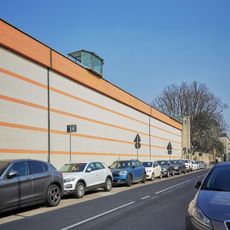
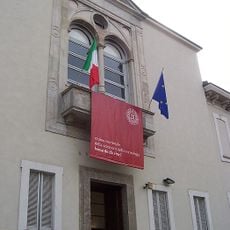
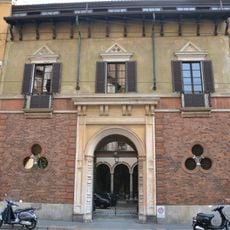
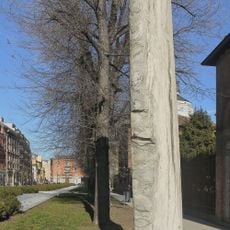
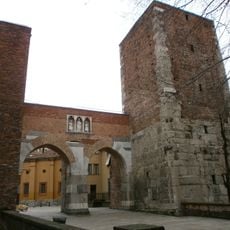
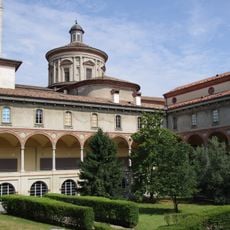
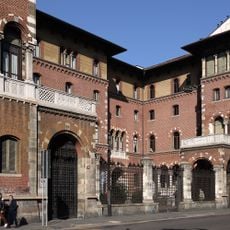
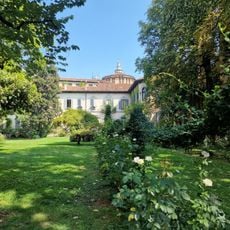
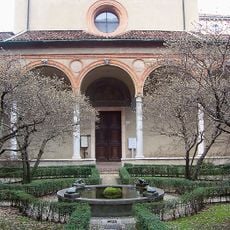
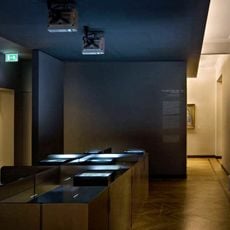
The mausoleum remains are in the basement of the church of San Vittore al Corpo, entered at via Olivetani 3. The surviving section of the fortified enclosure is a separate stop at via San Vittore 21, inside the monastery that houses the Museo nazionale della scienza e della tecnologia Leonardo da Vinci. The two are a short walk apart, so plan them as one visit.
Excavations between 1950 and 1977 uncovered about 90 high-status burials at this location. These discoveries revealed that both Christian and pagan burial practices existed side by side.
The community of curious travelers
AroundUs brings together thousands of curated places, local tips, and hidden gems, enriched daily by 93,409 contributors worldwide.