Villa Amalia, Neoclassical villa in Erba, Italy
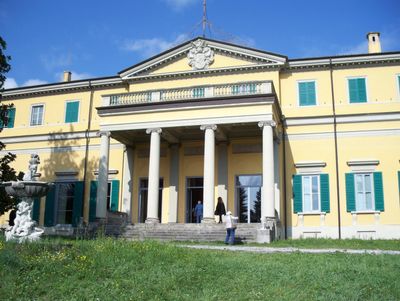
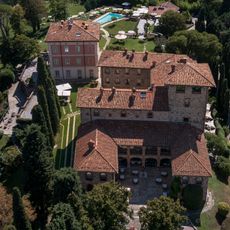
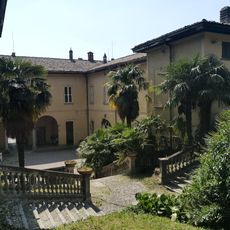
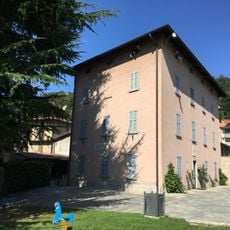
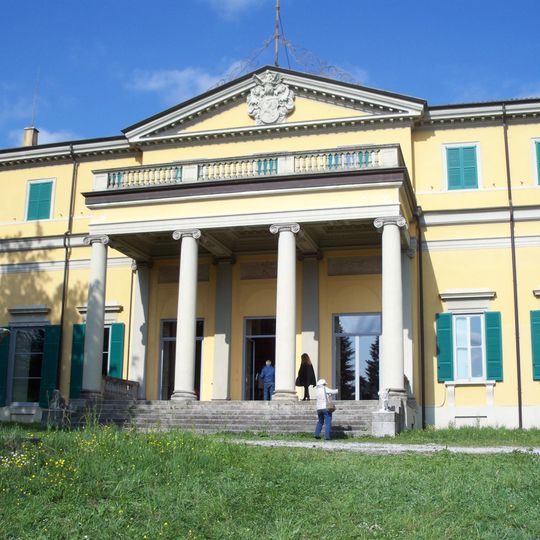
Villa Amalia is a neoclassical residence in Erba, built between 1799 and 1801 by architect Leopoldo Pollack for Count Rocco Marliani. Pollack incorporated the original structure of the former Franciscan convent, including its oratory with a 15th-century marble pulpit and 16th-century frescoes, into a new building with a neoclassical facade, an Ionic portico, a balcony and a pediment.
The convent of Santa Maria degli Angeli was suppressed and sold in 1799 to Count Rocco Marliani, a lawyer in the Cisalpine Republic. He had architect Leopoldo Pollack convert it into a summer residence between 1799 and 1801, naming it after his wife Amalia. Pollack kept the Franciscan structure, including its 15th-century marble pulpit and 16th-century frescoes.
The villa takes its name from Amalia, wife of the lawyer Rocco Marliani, who bought the suppressed convent of Santa Maria degli Angeli and had it converted into a summer residence. The former Franciscan oratory survives inside, with a 15th-century marble pulpit and 16th-century frescoes. In the 1970s the Taviani brothers used the villa as a location for their film Allonsanfàn.
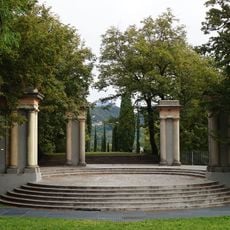
The estate is most easily reached by train, with Erba station near the town center from which a short walk leads to the property. It is best to visit during daylight hours to fully appreciate the exterior architecture, columns, and grounds.
The villa's name honours Amalia, wife of Rocco Marliani, the lawyer who bought the suppressed convent of Santa Maria degli Angeli and had it converted. The building also served as a set for the Taviani brothers' historical film Allonsanfàn, alongside guests such as Parini, Stendhal, Monti and Foscolo.
The community of curious travelers
AroundUs brings together thousands of curated places, local tips, and hidden gems, enriched daily by 94,049 contributors worldwide.