Castle Murat, Military museum and castle in Pizzo, Italy
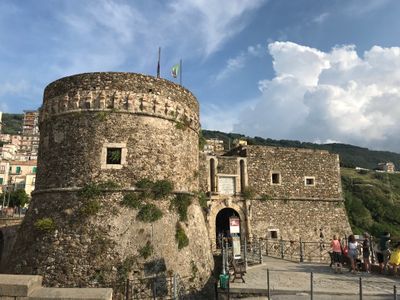
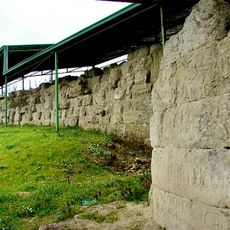
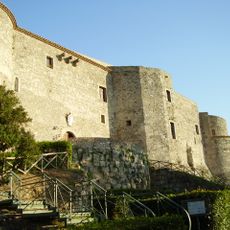
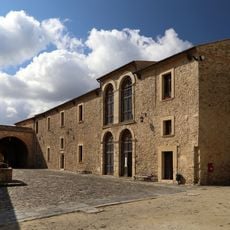
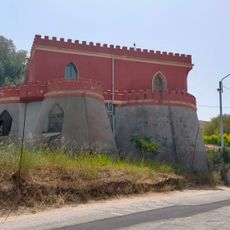
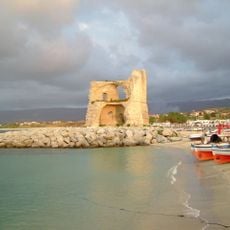
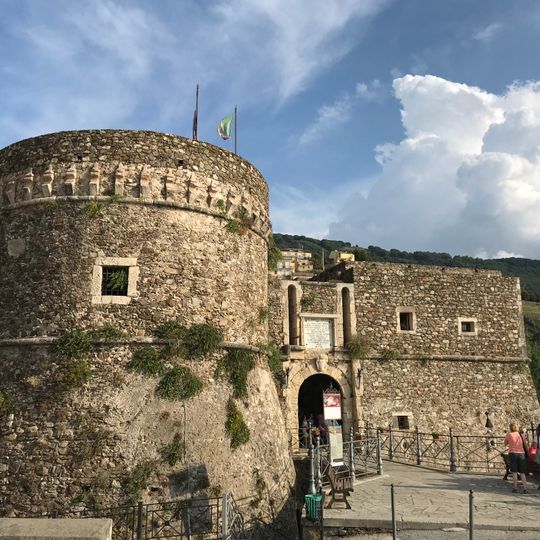
Castello Murat is a quadrangular fortress in Pizzo with one side dropping sheer to the sea and the other enclosed by a deep moat. Its core is the late 14th-century Torre Mastia, a watchtower against Saracen raids, later expanded with walls, a central block and a small guard turret. A limestone bridge now replaces the original drawbridge between two towers.
A watchtower called Torre Mastia was built by the Angevins at the end of the 13th century against Saracen raids. Ferdinand I of Aragon's decree of 12 November 1480 ordered further fortification, and between 1481 and 1485 the tower became a castle with a rectangular wall circuit and a smaller conical tower. The 1783 earthquake damaged the lower chambers, restored in 1790; the castle passed to the Italian state in 1806, was sold to Pizzo in 1884 and declared a national monument on 3 June 1892.
The castle is now called Castello Murat after Joachim Murat, the former King of Naples and Napoleon's brother-in-law, who was imprisoned and shot here on 13 October 1815. The museum displays an exhibition on his last days, from imprisonment to trial and the confession before execution, along with a fragment of an Antonio Canova sculpture, of which only a helmet remains.
The entrance is reached on foot from Pizzo's centre, and the former drawbridge between the two towers has been replaced by a bridge in limestone. Only the two upper floors are open to the public; the underground passages beneath the ground floor are not part of the visit.
The castle holds a fragment of an Antonio Canova sculpture, of which only a helmet survives; it was lost during Giuseppe Garibaldi's passage. The museum also displays the last letter Murat wrote in French to his wife and children in Trieste, delivered to General Vito Nunziante in an envelope containing locks of his hair.
The community of curious travelers
AroundUs brings together thousands of curated places, local tips, and hidden gems, enriched daily by 93,453 contributors worldwide.