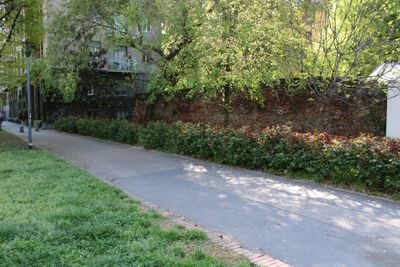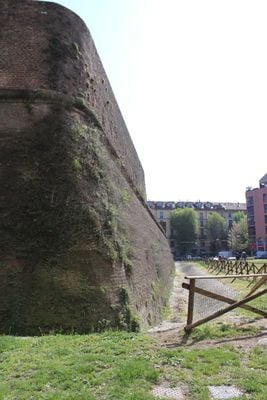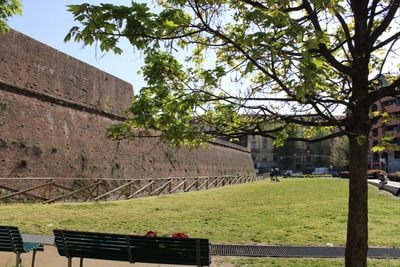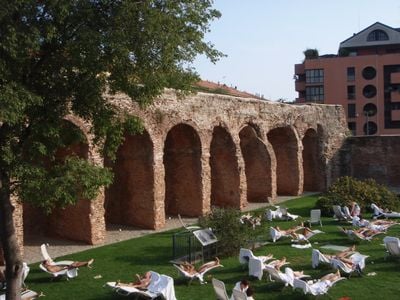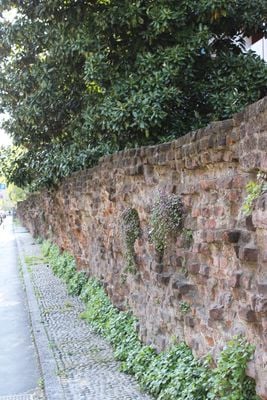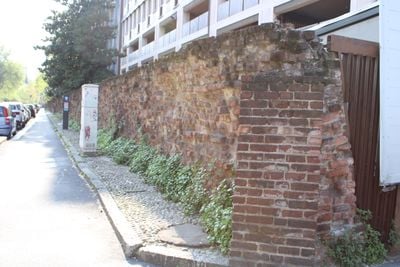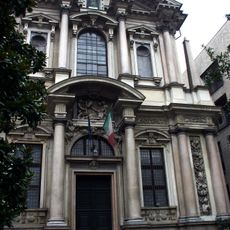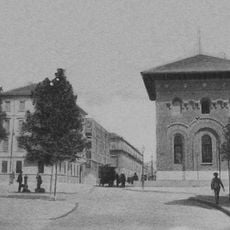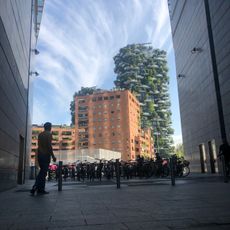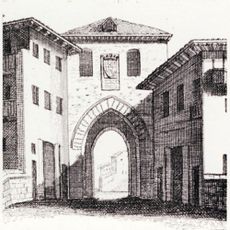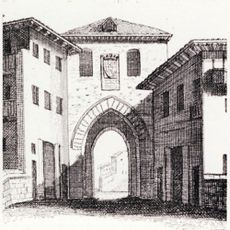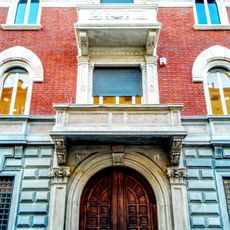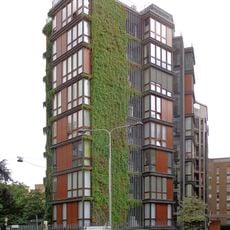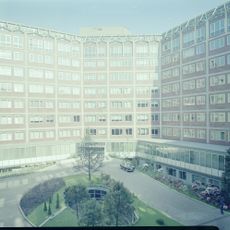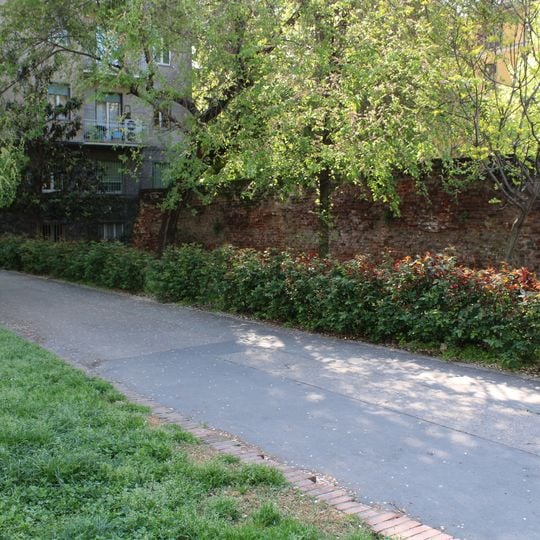
Antique walls of Milan, 16th century rampart in Milan, Italy.
The Spanish Walls are a series of 16th-century defensive structures that once circled Milan, built from brick and stone with fortified towers. Only fragments remain today, most visible along Viale Vittorio Veneto near Porta Venezia.
Governor Ferrante Gonzaga ordered the construction of these fortifications between 1548 and 1562 while Milan was under Spanish rule. The walls shaped urban development for centuries until they gradually gave way to public spaces in the 1700s.
In 1750, governor Gian Luca Pallavicini turned the now useless ramparts into a public promenade, opening the top to everyone and adding benches and two rows of mulberry and horse-chestnut trees. The six gates kept the names of the medieval sestieri: Porta Orientale, Romana, Ticinese, Vercellina, Nuova and Comasina.
The remaining sections are best explored on foot, especially along Viale Vittorio Veneto where the structures are most visible. The area is well-connected by public transport and easy to reach from central Milan.
The walls were built lower and thicker than medieval walls, with sloped earth ramparts that deflected cannon fire, a response to the spread of gunpowder artillery. The first stretch ran between the Castello Sforzesco and Porta Comasina, and the section from Porta Romana to Porta Lodovica followed.
The community of curious travelers
AroundUs brings together thousands of curated places, local tips, and hidden gems, enriched daily by 94,526 contributors worldwide.