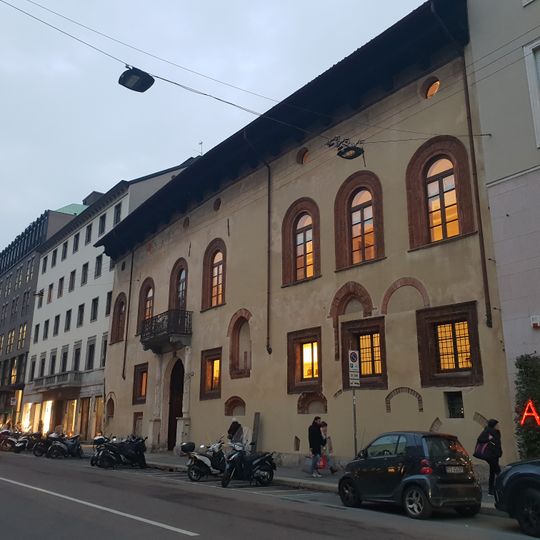
Sestiere di Porta Orientale, Medieval district in central Milan, Italy.
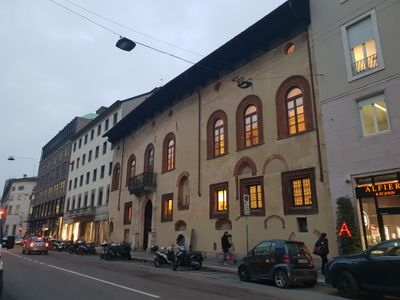
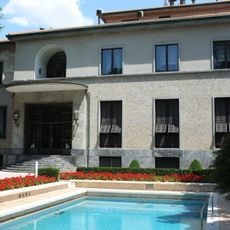
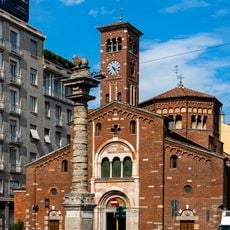
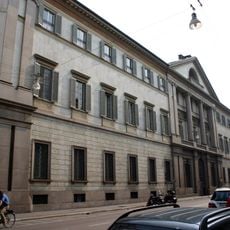
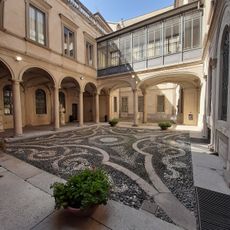
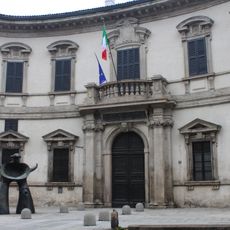
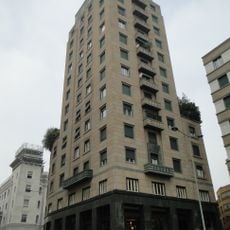
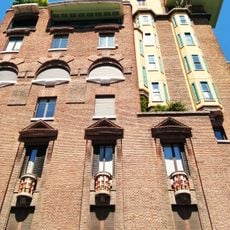
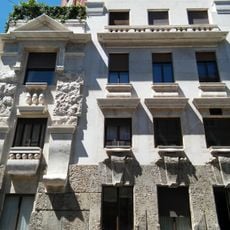
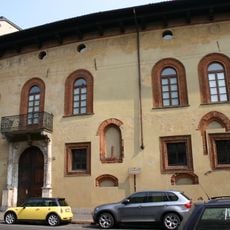
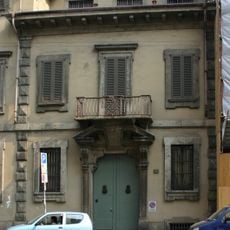
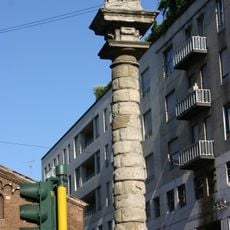
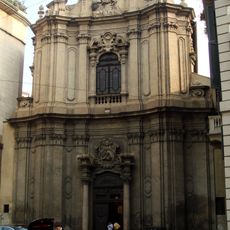
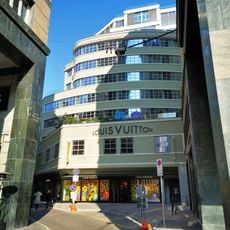
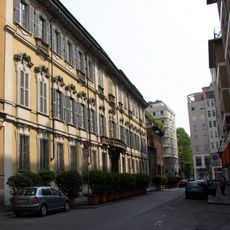
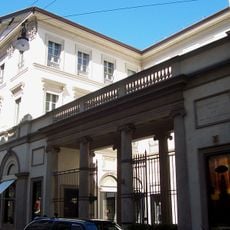
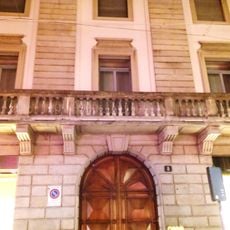
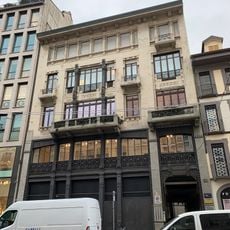
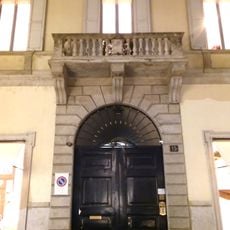
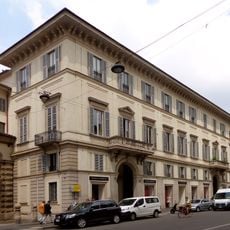
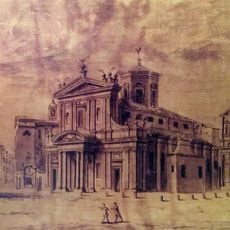
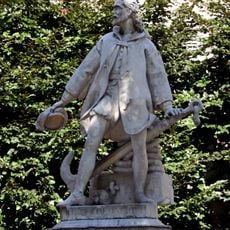
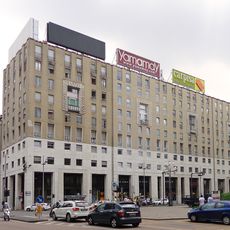
Sestiere di Porta Orientale is a district in central Milan featuring medieval and later buildings, stone-paved streets, and historical architectural elements from different periods. The area displays a varied streetscape that reflects diverse building styles and layers of the city's development.
The district takes its name from the Eastern Gate of medieval Milan, which served as an important entry point to the city center until it was demolished in 1818. The removal of this gate marked a significant change to the area's character after centuries of prominence.
The district is organized into five separate contrade, each maintaining its own symbols such as the silver sack for Contrada delle Farine and the silver lamb for Contrada dell'Agnello. These divisions shape community life and create distinct local identities throughout the area.
Multiple metro stations and bus stops connect the district to other parts of Milan, making it convenient to explore on foot and reach nearby neighborhoods. The area is best explored during daytime when streets are most active and easiest to navigate.
The coat of arms features a black lion on a white field, a symbol documented by historian Galvano Fiamma and carved into the Loggia degli Osii. This heraldic image represents the visual identity that has marked the area's character across centuries.
The community of curious travelers
AroundUs brings together thousands of curated places, local tips, and hidden gems, enriched daily by 91,427 contributors worldwide.