Porta Aurea, Roman city gate in Milan, Italy
The Porta Aurea was an ancient city gate set within the Roman defensive walls of Milan, built with stone construction and defensive features. It served as part of a larger fortification system that enclosed the city's perimeter.
The gate was built during the Roman period and functioned as a city entrance for centuries. By the 12th century it lost its importance and was eventually removed when Milan rebuilt its defensive structures.
The gate was one of the main entry points to the ancient city and shaped how people moved in and out of Roman Milan. Merchants, soldiers, and travelers passed through this threshold for centuries on their daily routes.
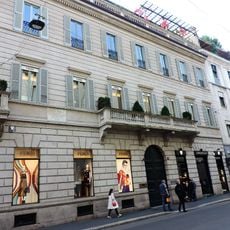
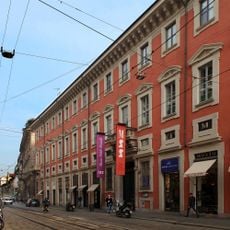
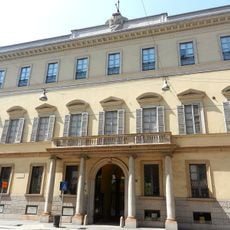
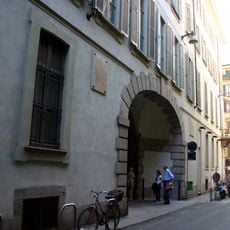
Nothing of the gate survives above ground: its site is the crossing of via Manzoni and via Monte Napoleone, in Milan's fashion district, where no Roman masonry is visible. Look instead at the street grid, since the gate stood at the end of the cardo running northeast. The Archi di Porta Nuova, often confused with it, are medieval and lie elsewhere.
The gate's Latin name Cunus Aureus, meaning "golden point", was also the name of the Spluga Pass it faced: gold was mined in the Alpine arc between the Ligurian slope and the Ticino river. Its site is now the crossing of via Manzoni and via Monte Napoleone.
The community of curious travelers
AroundUs brings together thousands of curated places, local tips, and hidden gems, enriched daily by 93,765 contributors worldwide.