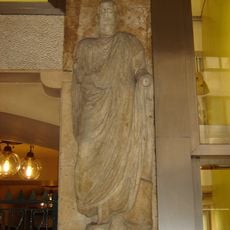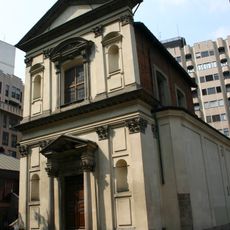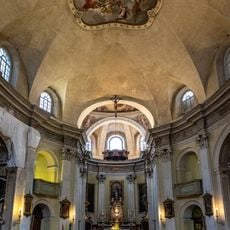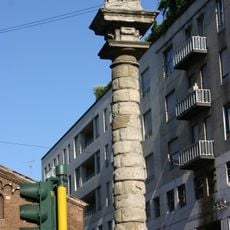
Porta Argentea, Roman city gate of Milan
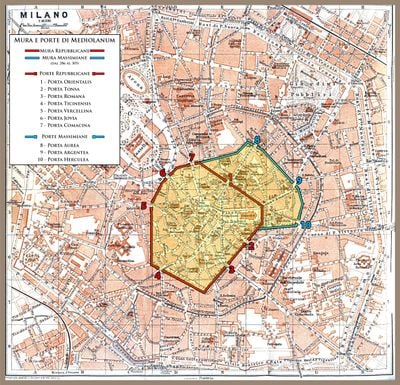
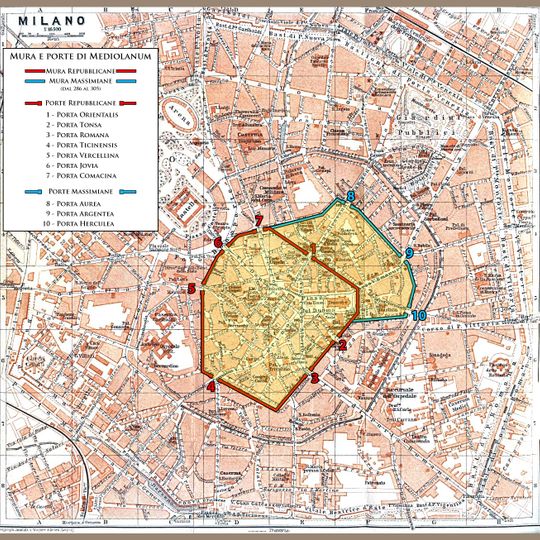
Porta Argentea was a city gate in the Roman walls of Mediolanum, now Milan. Located on the eastern side, it served as one of the main openings in the defensive perimeter that protected the city during the Roman era.
The gate was built during the Roman era and became part of an expanded defensive system after 291 AD under Emperor Maximian. In 1162, it was demolished during the siege led by Frederick Barbarossa, marking the end of Roman structures in the city.
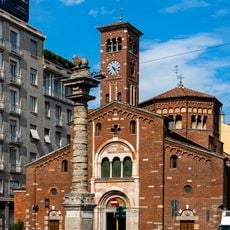
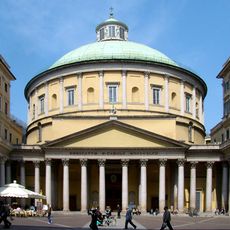
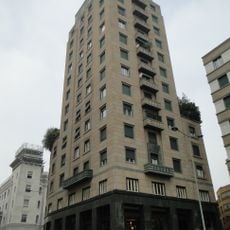
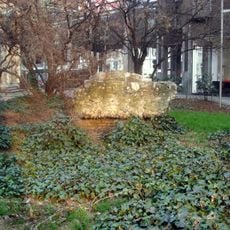
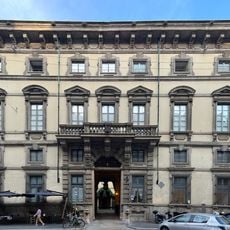
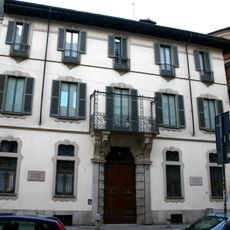
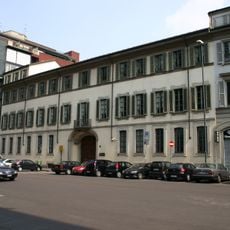
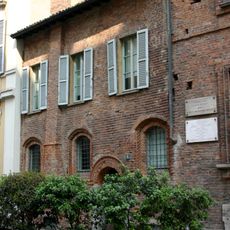
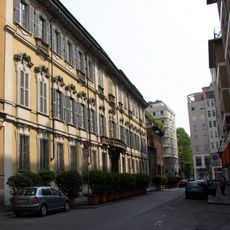
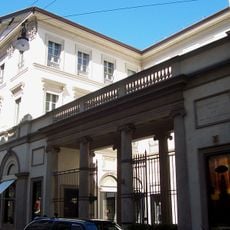
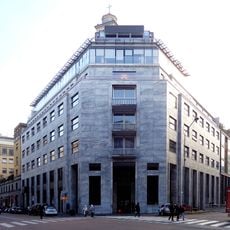
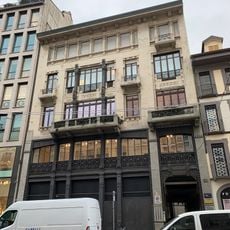
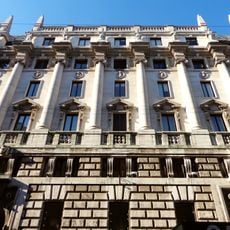
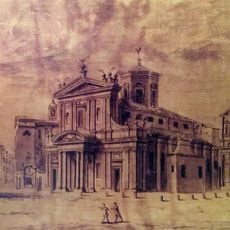
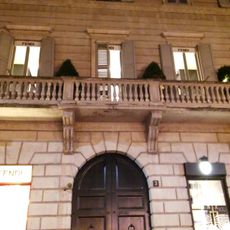
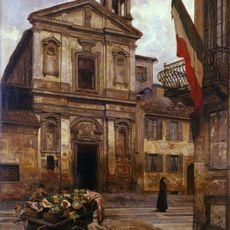
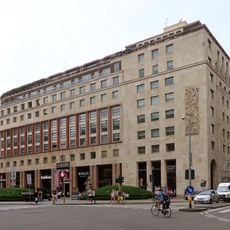
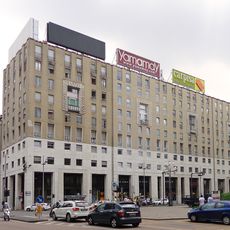
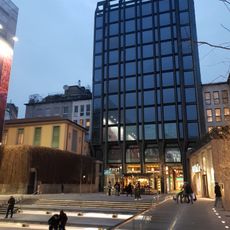
The site is located near present-day Piazza San Babila and Corso Vittorio Emanuele II, busy streets in Milan. Since few visible remains of the original Roman gate survive, it is best to explore the area on foot and look for any historical markers or archaeological information.
The name comes from the Latin word for silver and may have been linked to silver mining activities across the Roman Empire. The gate was one of two known eastern entrances, each serving different trade routes and strategic purposes for the city.
The community of curious travelers
AroundUs brings together thousands of curated places, local tips, and hidden gems, enriched daily by 92,784 contributors worldwide.