Aqueduct of Triglio, Roman aqueduct in Statte, Italy
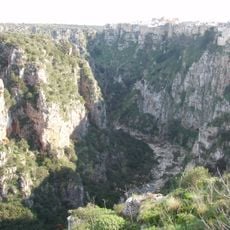
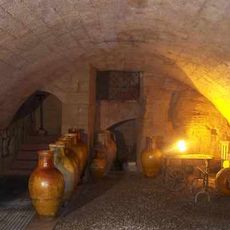
The Aqueduct of Triglio is a Roman water system near Statte in the Province of Taranto, consisting of underground tunnels carved into the landscape. The network gathers water from multiple springs on Mount Crispiano and channels it through a main tunnel toward its destination.
The original segment was built around 123 BCE and initially served private suburban villas with water. Later, in the 6th century under Gothic rule, it was expanded and began serving the public water system.
The structure takes its name from the water source that feeds it and represents a lasting symbol of Roman engineering skill in the region. Visitors walking along it can see how central water management was to daily life and how people moved water across significant distances.
A visit requires steady footing, as much of the system lies underground and access involves uneven terrain. It helps to wear sturdy footwear and be prepared for weather conditions depending on the season.
The structure has vertical openings spaced at regular intervals that served not only for ventilating the underground tunnels but were also accessible for maintenance. These details reveal how Roman engineers planned practical solutions for upkeep of such a large work.
The community of curious travelers
AroundUs brings together thousands of curated places, local tips, and hidden gems, enriched daily by 60,000 contributors worldwide.