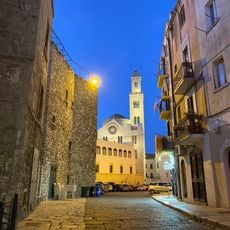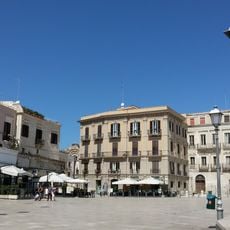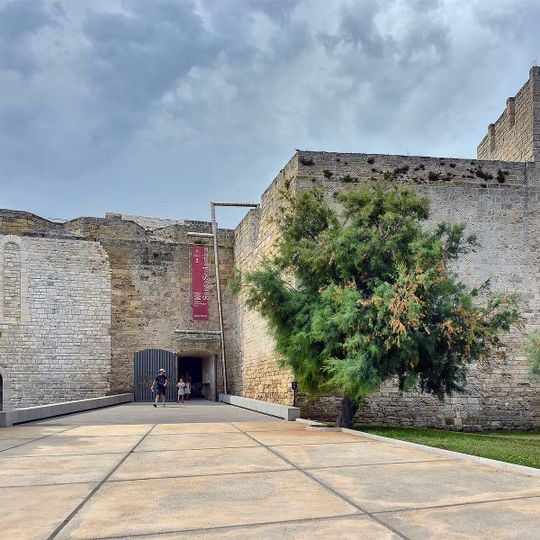
Museo archeologico di Santa Scolastica, Archaeological museum in Bari, Italy.
The Museo archeologico di Santa Scolastica is an archaeological museum in Bari, housed in a former Benedictine monastery in the old city center. The collection spans prehistoric times through the Roman period and covers tools, ceramics, coins, sculptures, jewelry, and inscriptions from the surrounding region.
Founded in 1875 from finds gathered by Professor Nitto De Rossi, the museum opened to the public on 18 May 1890 in the Palazzo Ateneo, where it stayed until 2000. Under Maximilian Mayer (1894–1903) and Michele Gervasio (1909–1957) it gained inventories, studies and excavations. In 2001 the collections moved to the former monastery of Santa Scolastica, built into a city-wall bastion; restored rooms reopened in 2018.
The collection includes finds from the ancient peoples of Daunia and Peucezia, who lived in what is now Apulia before Roman times. Pottery, jewelry, and everyday objects give a clear picture of how those communities organized their daily lives.
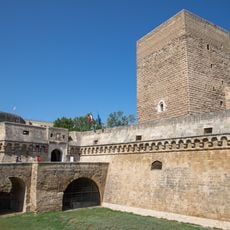
The museum occupies the former Santa Scolastica monastery, built into a bastion of the city walls in the old town. The visit runs from the monastery entrance through ground-floor rooms to the nearby San Pietro archaeological area; upper-floor rooms are not yet open. The route is divided into six sections, moving from Byzantine Bari to the wider Terra di Bari and Apulia.
Excavations carried out beneath the monastery building uncovered several layers of settlement, including a Bronze Age village and Roman houses. This means the ground under the museum itself is part of the archaeological record visitors come to see.
The community of curious travelers
AroundUs brings together thousands of curated places, local tips, and hidden gems, enriched daily by 94,574 contributors worldwide.