Ciardoney Glacier, glacier in Italy
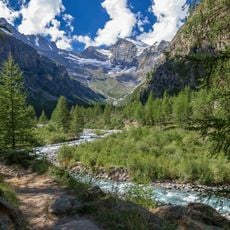
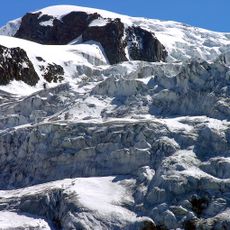
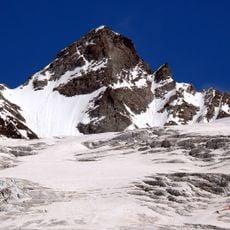
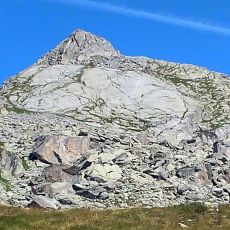
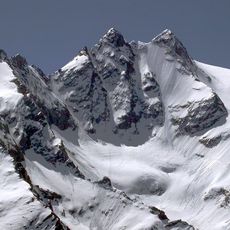
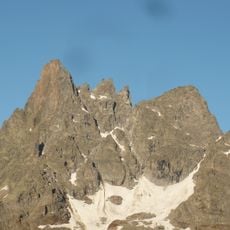
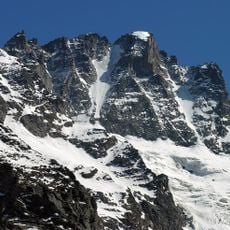
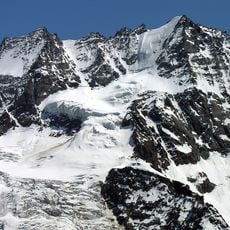
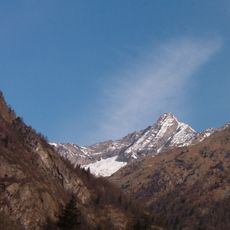
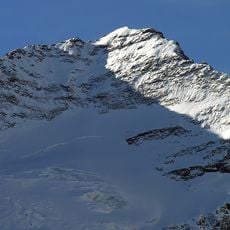
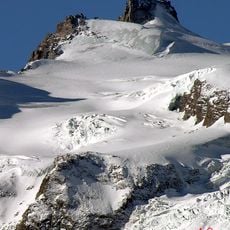
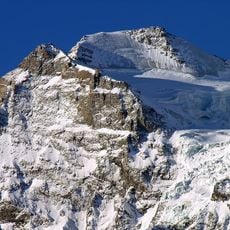
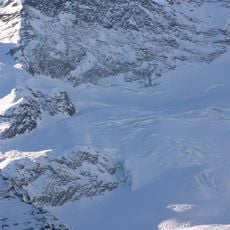
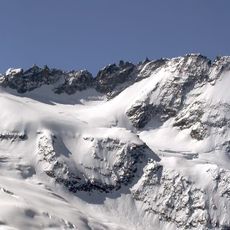
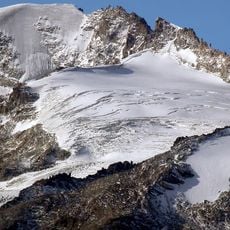
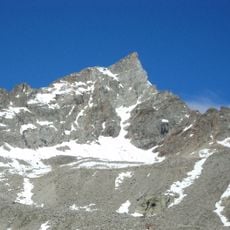
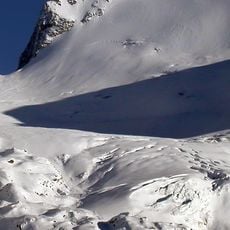
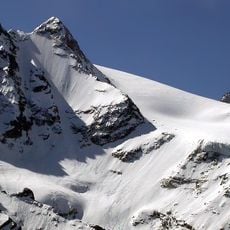
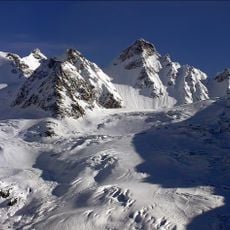
The Ciardoney Glacier is a glacier in the Alps located within a protected national park at an elevation between about 2870 and 3120 meters. Its surface covers roughly half a square kilometer and displays a broad expanse of ice with a northeast-facing front.
The glacier was first systematically recorded in the 1970s, and from 1986 onwards, scientists began regular measurements of its properties. Since the mid-1800s, when the Little Ice Age ended, it has reduced its surface area by about 70 percent.
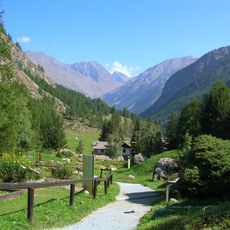
The glacier takes its name from the local Alpine tradition of naming mountain features, and it serves as a familiar landmark for those living in the surrounding valleys. It shapes how people experience the high mountain landscape and represents the natural forces that continuously reshape the region.
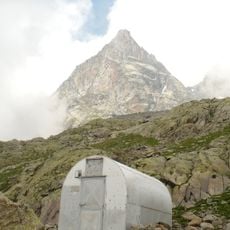
The best time to observe the glacier is during warmer months when snow cover recedes and the ice surface becomes more visible. The terrain is high and demanding, so sturdy mountain boots and weather-resistant clothing are essential.
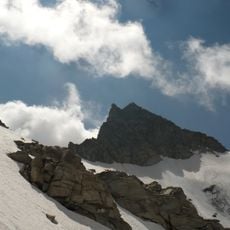
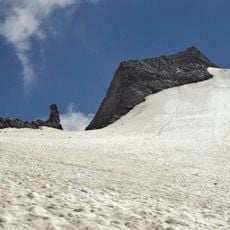
The glacier's surface is covered with dark debris and rocks that accelerate melting because these materials absorb more sunlight than pure ice. This phenomenon shows how the glacier's surface actively influences the rate of melting.
The community of curious travelers
AroundUs brings together thousands of curated places, local tips, and hidden gems, enriched daily by 92,341 contributors worldwide.