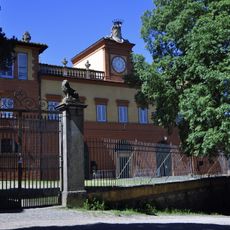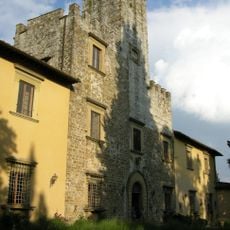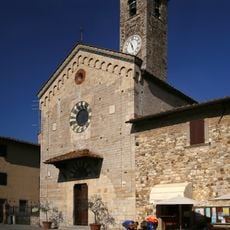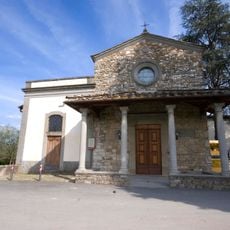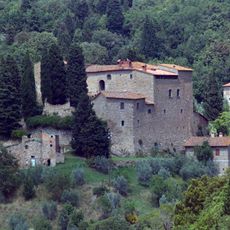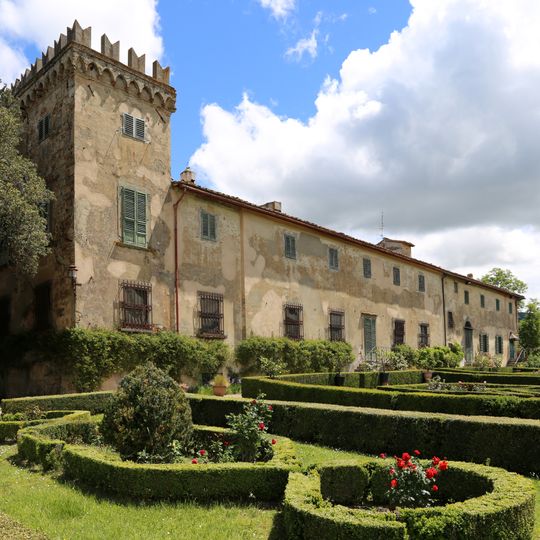
Castel Ruggero, A castle in Bagno a Ripoli, Italy
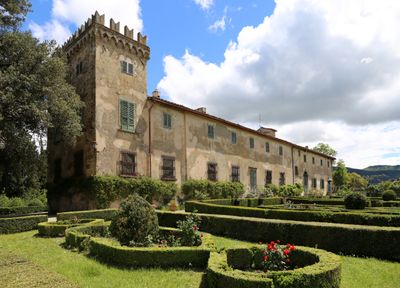
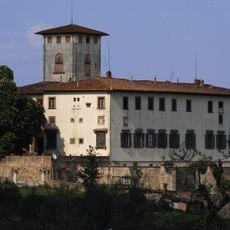
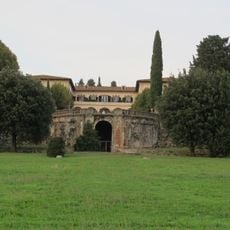
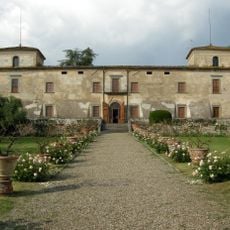
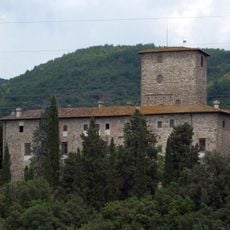
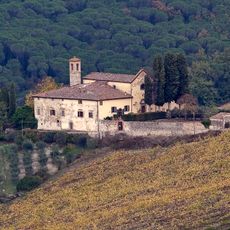
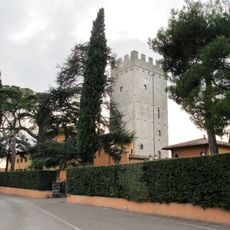
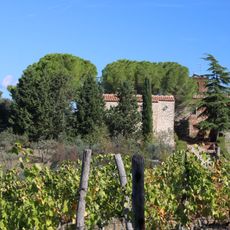
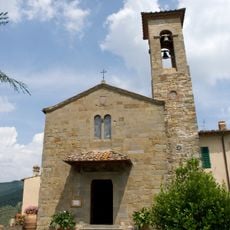
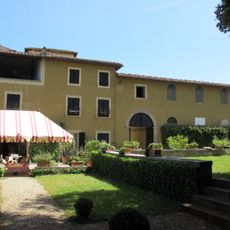
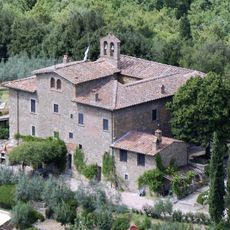
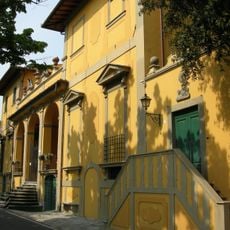
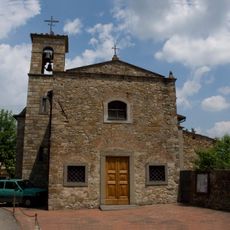
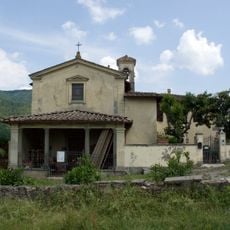
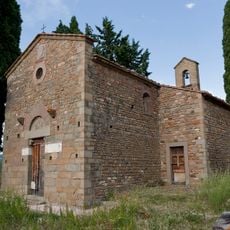
Castel Ruggero is a castle and villa set in the rolling hills of the Chianti Classico region between Siena and Florence. The structure features simple solid stone walls, low long facades, and a tower hinting at its defensive origins, while the surrounding lands contain vineyards, olive groves, and expansive gardens with vegetables and flowers organized in distinct sections.
Castel Ruggero was built around the year 1000 on land previously settled by the Romans about 2,000 years earlier. During the Renaissance, the original fortress was transformed into a villa, and later it became the seat of prominent Florentine families like the Alamanni, notably the poet Luigi Alamanni who wrote his farming treatise while associated with the estate.
The name Castel Ruggero may trace back to Lombard origins and was possibly revived in the 1800s by a businessman named Ruggero Luigi Buccellato. Today, visitors experience the property as a living connection to Tuscan rural traditions, where farming practices and gardening choices reflect generations of local knowledge and care.
The estate is crisscrossed by walking paths that wind naturally through the hilly landscape and lead to viewpoints across the Tuscan countryside. Visitors should wear comfortable shoes and allow time for slow exploration of the gardens and country paths, as quiet reflection and unhurried pace are the best ways to experience this historic setting.
The poet Luigi Alamanni wrote his acclaimed farming treatise while in exile in France, yet it was inspired by his observations and work at Castel Ruggero. His writing served both as a practical guide for farmers and as a poetic work in the local language, now considered a classic of Italian literature.
The community of curious travelers
AroundUs brings together thousands of curated places, local tips, and hidden gems, enriched daily by 60,000 contributors worldwide.