Palazzo Calchi, Neoclassical palace in Milan, Italy
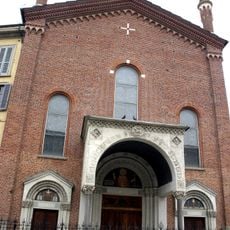
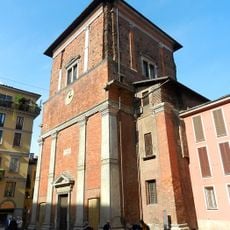
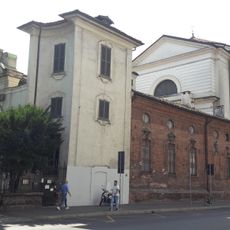
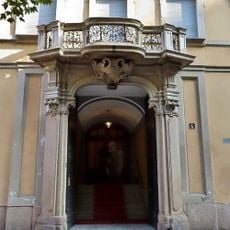
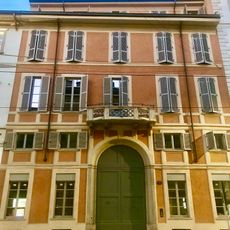
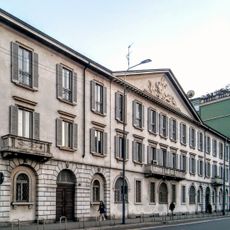
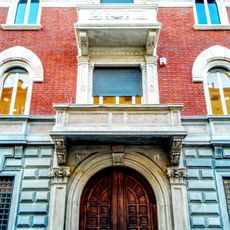
Palazzo Calchi stands on Corso di Porta Vigentina and displays neoclassical forms layered over medieval construction beneath. The complex merges original cloister walls with later additions that create depth across its different sections and courtyards.
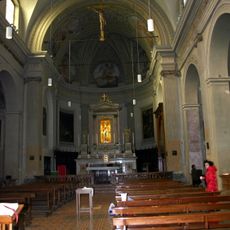
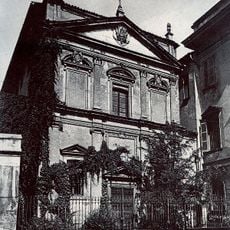
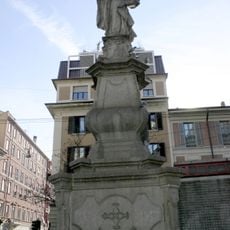
The Palazzo Calchi Taeggi complex dates to the 16th century, when it housed the monastery of San Bernardo, run by Benedictine nuns under the Cistercian Fathers of Clairvaux until 1506, then by Dominican nuns. It later became the Calchi-Taeggi college, named after the Calchi family of Pavia and Giovanni Ambrogio Taegio (d. 1553), who ordered the foundation of two colleges later merged. The church of San Bernardino collapsed in 1971, leaving only three arches of its right aisle.
The palace reflects Milan's architectural journey across different eras, visible in its facades and interior layouts that blend past functions. Visitors notice how the spaces still carry traces of their former uses as a religious community, school, and civic institution.
The building currently houses municipal services and welcomes visitors during standard daytime hours, particularly when administrative activities are light. Early morning or midday visits work best for viewing the interiors without disruption.
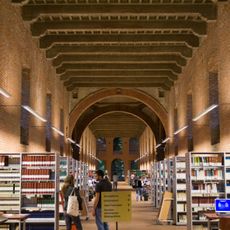
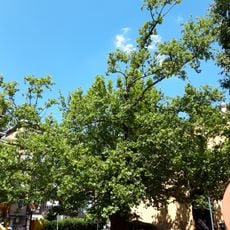
The 16th-century cloister courtyard survives as the reading garden of the local public library, shaded by centenary fig and medlar trees. The church of San Bernardino, part of the complex, collapsed in 1971; only three arches of its right aisle remain, a loss visitors can still see.
The community of curious travelers
AroundUs brings together thousands of curated places, local tips, and hidden gems, enriched daily by 93,698 contributors worldwide.