Castello di Scribla, Medieval castle ruins in Spezzano Albanese, Italy
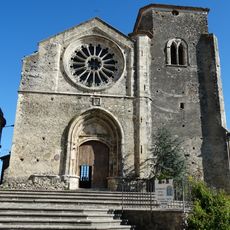
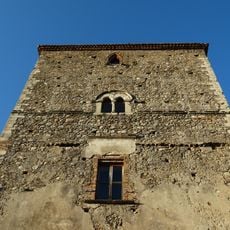
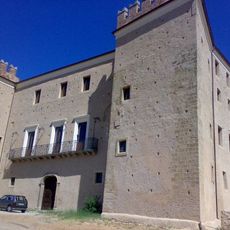
Castello di Scribla is a fortified ruin in Spezzano Albanese, standing on elevated ground in southern Calabria. The remaining stone walls and tower structures create a framework that shows how the building once filled the hilltop.
Guaimario IV of Salerno and the Norman leader Guglielmo d'Altavilla began building the fortress in 1044 to defend the Esaro Valley. It later became the residence of Roberto il Guiscardo, who deported a colony of Saracen prisoners captured in Sicily to Scribla. After his death, Ruggero Borsa donated the castle with its lands and inhabitants to the Trinità di Cava monastery. A village of 210 inhabitants stood nearby around 1276, but by 1531 both village and castle were abandoned; excavations suggest an earlier fortification from the time of Otto I (962–973) may lie beneath.
The structure reflects how communities in this region once organized their lives around defense and control of the land below. Walking through the ruins, you can sense the practical concerns of people who built safety into every stone.
You can access the ruins by following marked paths that lead from the town center of Spezzano Albanese up to the elevated site. The terrain is uneven and conditions vary with the seasons, so sturdy shoes are advisable for exploring the grounds safely.
The site holds stone-carved marks left by medieval masons, revealing how workers organized their labor and marked their contributions. These small engravings offer a direct connection to the builders and their methods from centuries ago.
The community of curious travelers
AroundUs brings together thousands of curated places, local tips, and hidden gems, enriched daily by 94,388 contributors worldwide.